
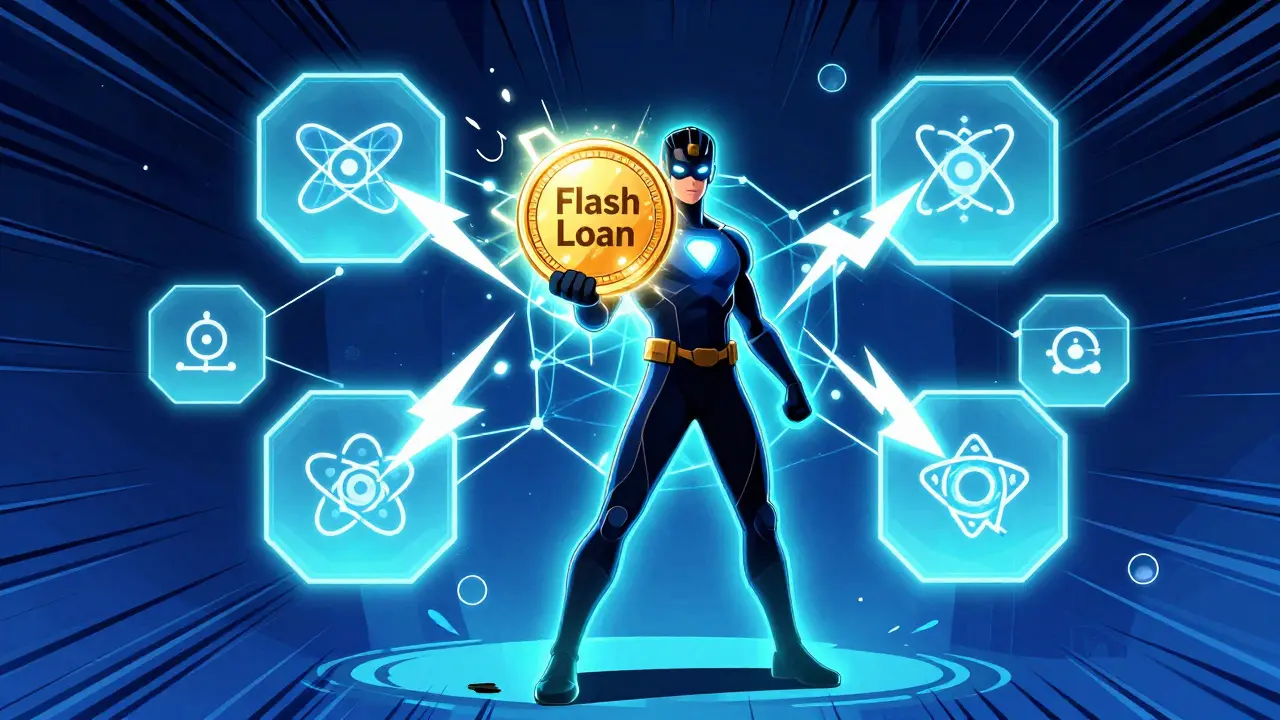
Explore the technical requirements for flash loans in DeFi. Learn about smart contract interfaces, gas limits, security risks, and how to choose the right protocol for your strategy.
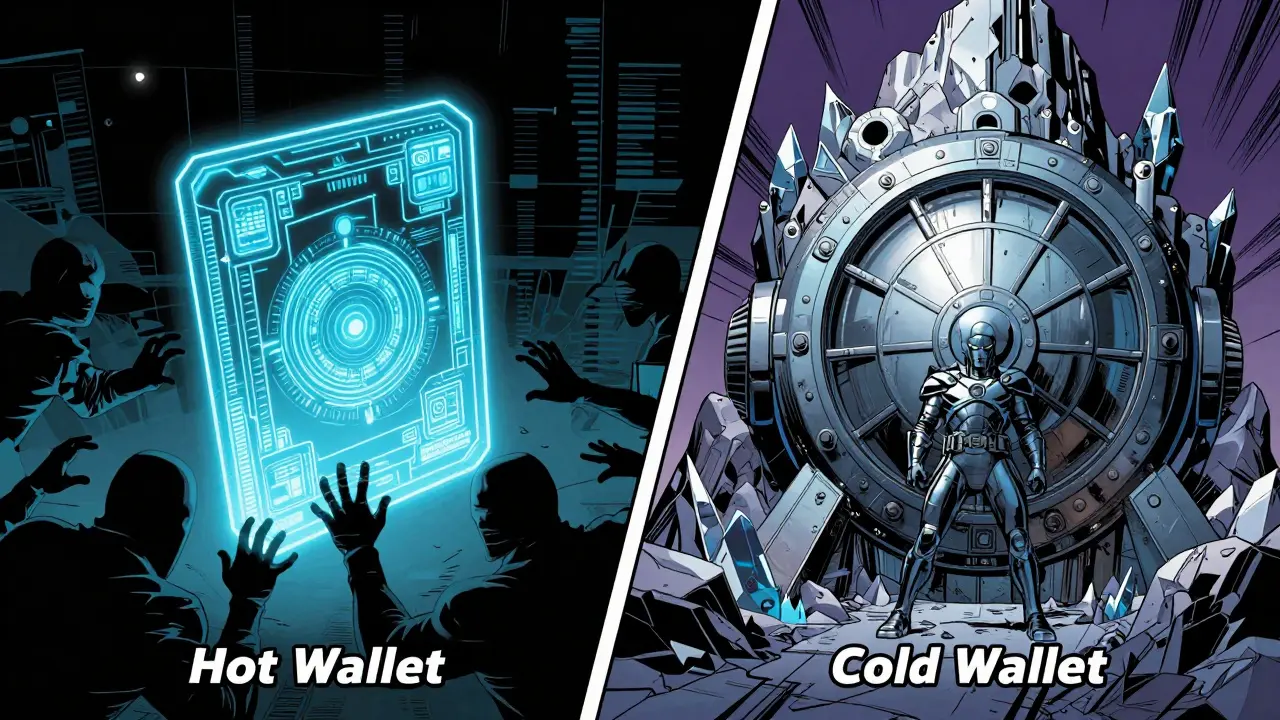
Learn essential NFT marketplace security best practices to protect your digital assets from phishing, smart contract drains, and wallet hacks in 2026.

Explore the phenomenon of Bitcoin miner capitulation after halving. Learn why inefficient farms fold, the role of ASIC efficiency, and how the network rebalances.

Explore the evolution of crypto mining in 2026. Learn about ASIC vs GPU hardware, energy costs, institutional shifts, and how to stay profitable today.

Explore the evolution of next-generation platform cryptocurrencies, from Polygon's POL migration to the AI-driven compute of ICP and Render. Learn how specialized blockchains are replacing general-purpose networks.
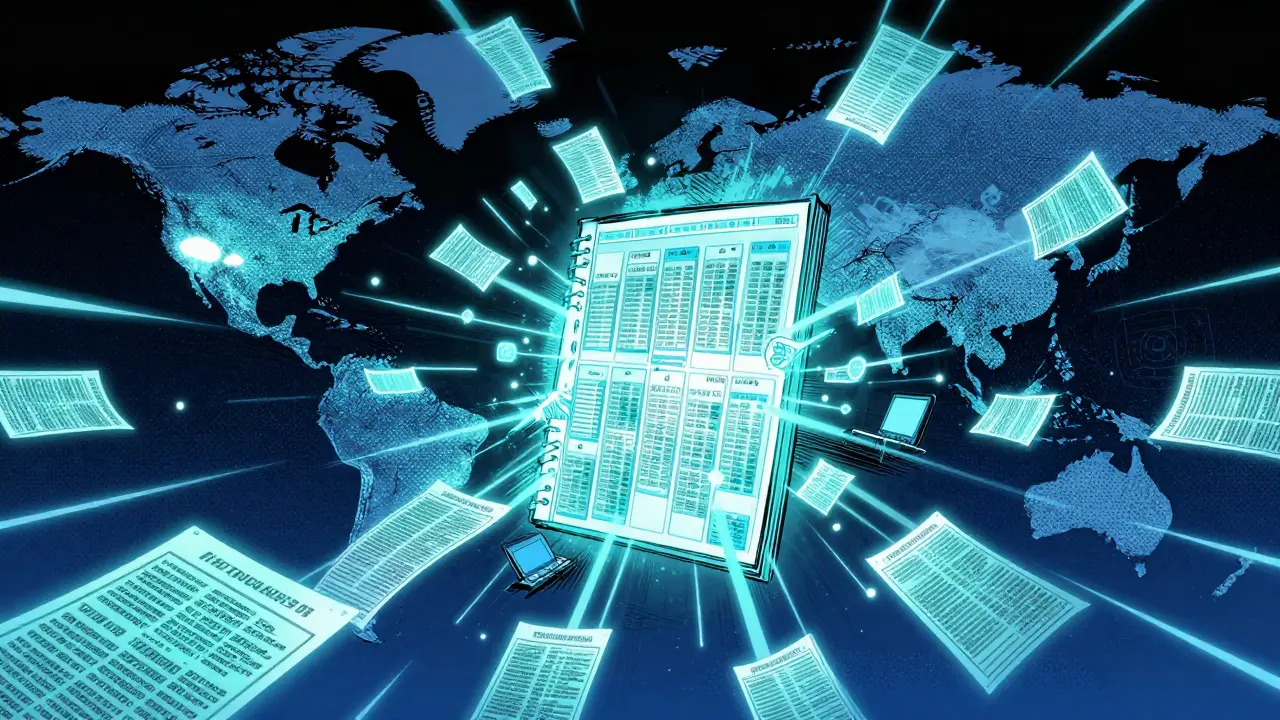
Discover what Distributed Ledger Technology (DLT) is and how it differs from blockchain. Learn about decentralization, immutability, and real-world use cases.

Learn what a Merkle Root is and how it allows blockchains to verify massive amounts of data instantly using cryptographic hash trees and logarithmic scaling.
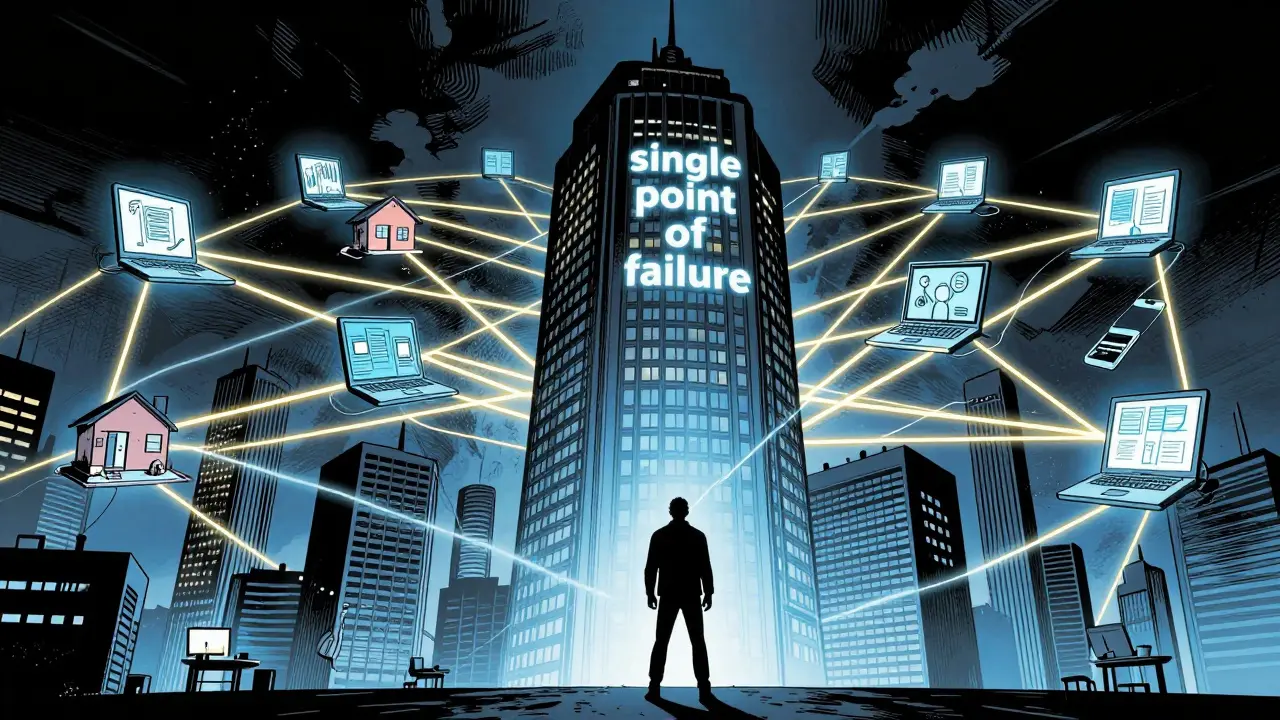
Learn what decentralized storage is and how it uses blockchain, sharding, and P2P networks to give you total control over your data, moving away from centralized cloud giants.

Learn the crucial difference between owning an NFT token and owning the copyright to digital art, including licensing types and legal risks.
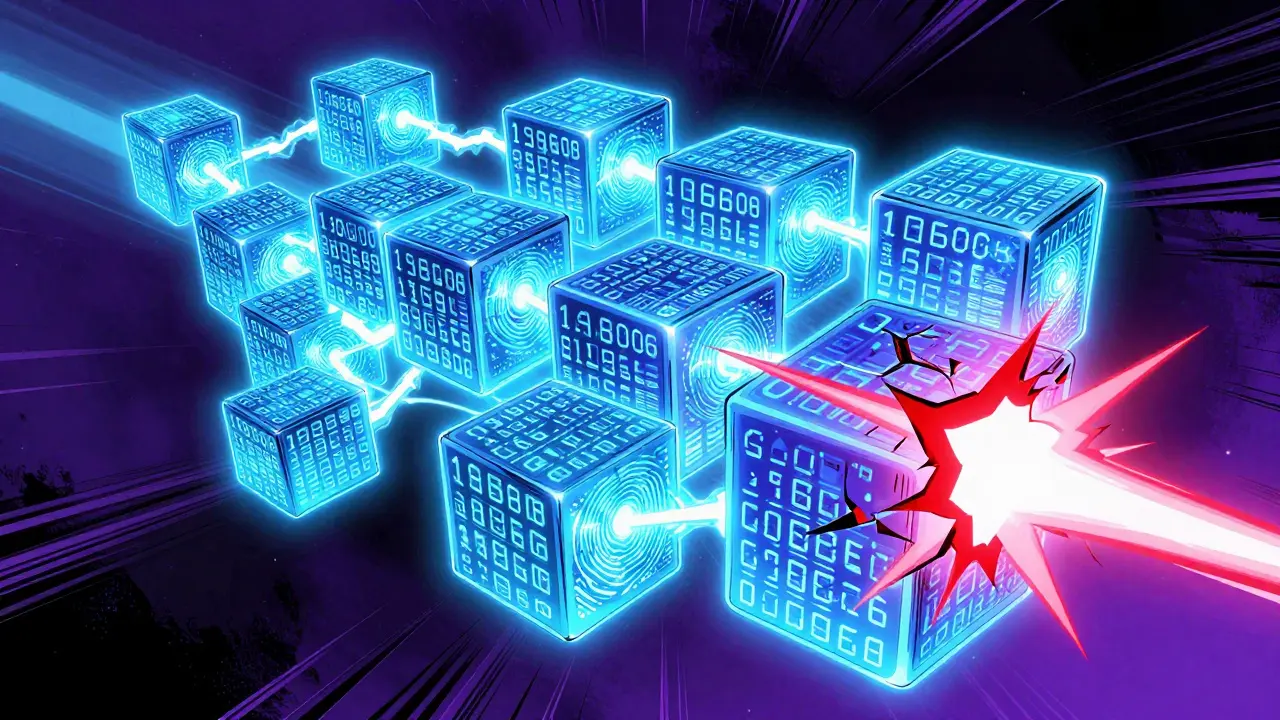
Cryptographic hashing is the mathematical backbone of blockchain that ensures data can't be altered without detection. It turns any input into a unique, fixed-size hash - making blockchains tamper-proof and trustless.
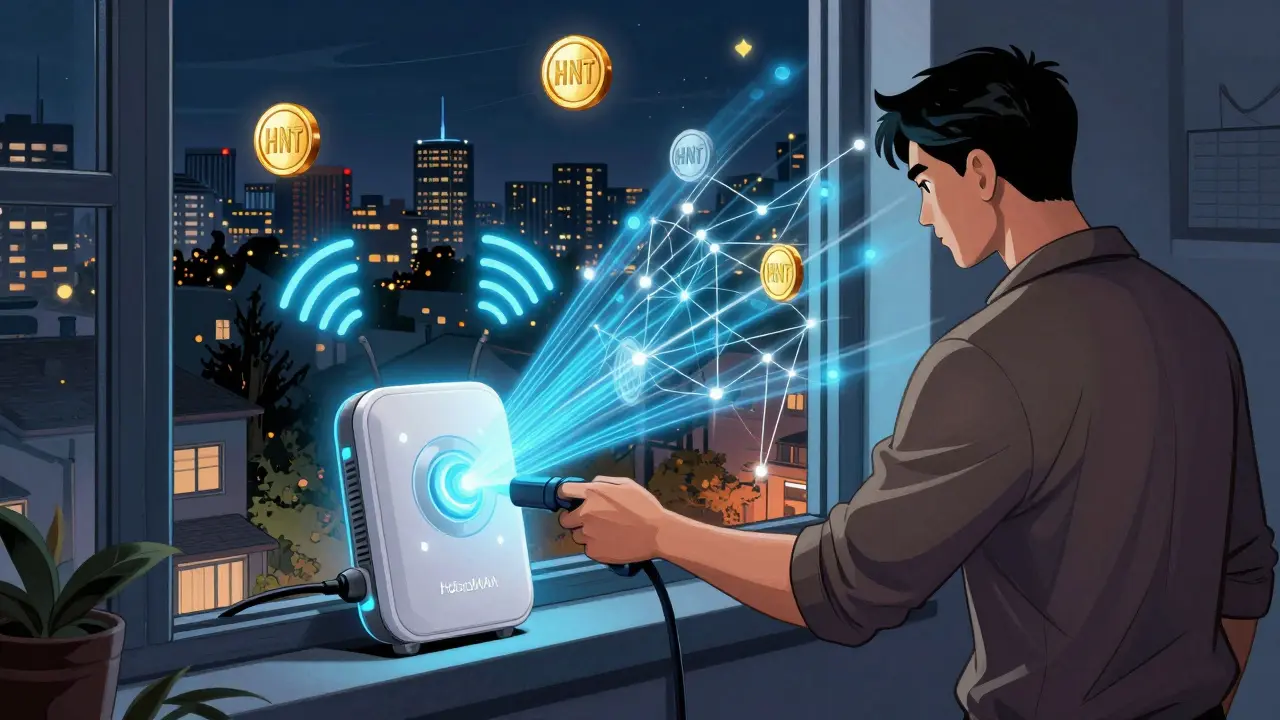
The Helium Network is a real-world DePIN that lets anyone build a decentralized wireless network for IoT devices and earn crypto rewards. With over 400,000 hotspots and 124,000 mobile users, it’s proving decentralized infrastructure works.
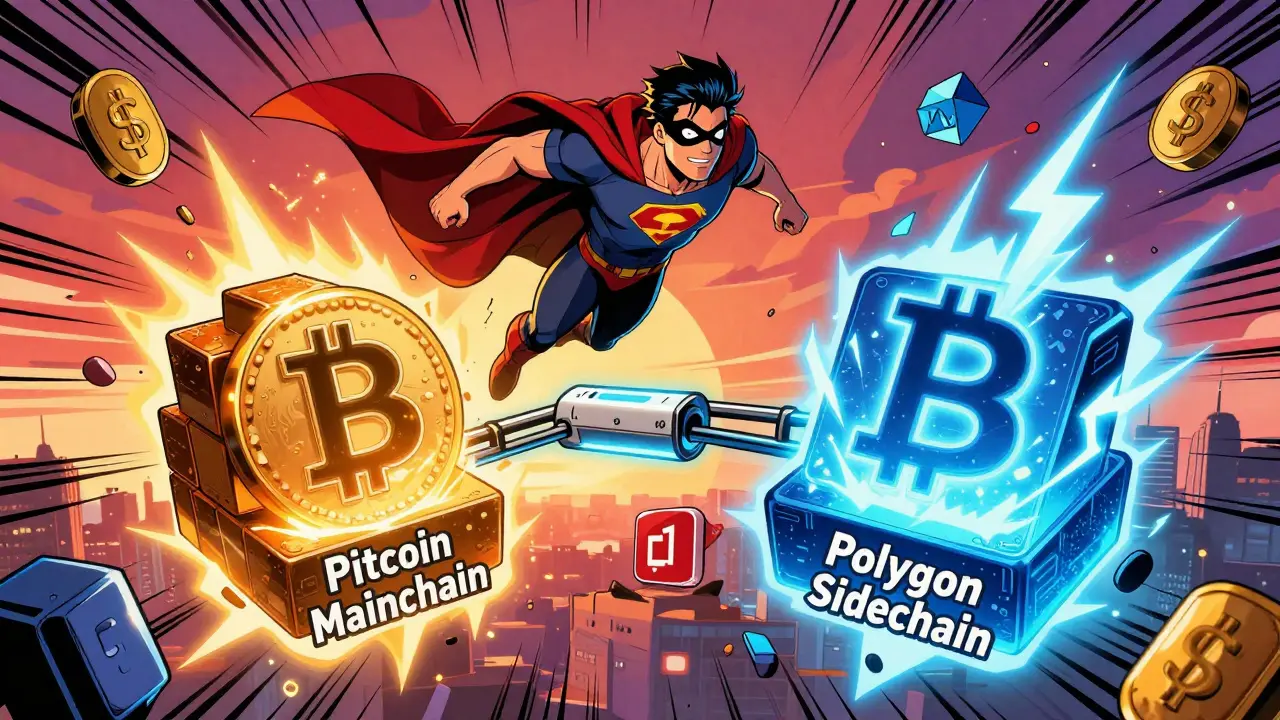
Sidechains enable faster, cheaper blockchain transactions by operating parallel to mainnets like Bitcoin and Ethereum. They power NFTs, enterprise apps, and Bitcoin smart contracts-with trade-offs in security. Learn how they're used today and why they matter.