
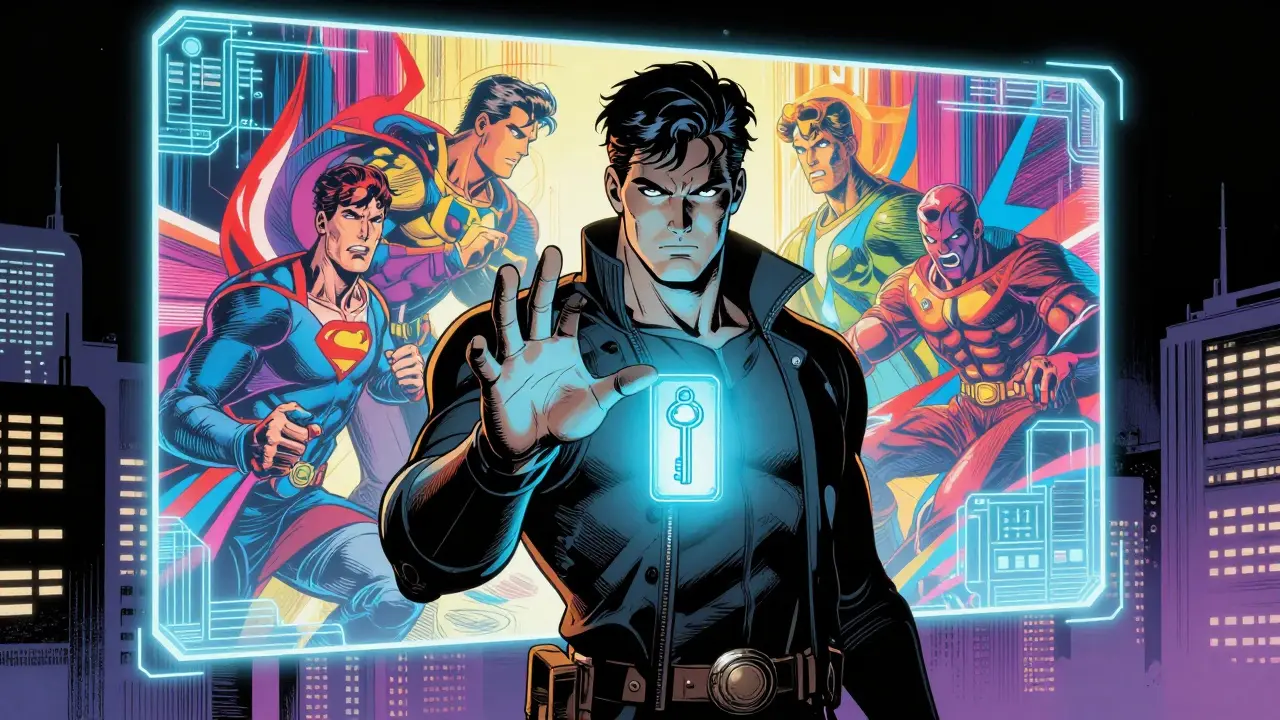
Think you own the digital artwork just because you bought the token? That's the biggest myth in the crypto space. Many people walk away from a purchase believing they hold all the rights to a piece of Digital Art, only to discover later they can't print it, sell merch featuring it, or even modify it without permission. In reality, owning an Non-fungible Token (NFT)is a unique cryptographic token stored on a blockchain that represents ownership of a specific item does not automatically grant you the intellectual property rights to the underlying image or media. This distinction is the single most critical thing to understand before you spend money.
The confusion stems from how we value things in the physical world versus the digital realm. When you buy a painting in a gallery, the transfer of the canvas often comes with implied rights to display it in your home. But the internet operates by different rules. As we move further into 2026, the lines are still blurring, but the fundamental legal separation remains intact. You generally own the receipt (the token), not the painting itself (the art file).
The Gap Between Token and Art
To truly grasp NFT art ownership rights, you have to separate the code from the content. An NFT lives on a Blockchainis a decentralized digital ledger that records transactions across many computers, such as Ethereumis a public blockchain platform used for executing smart contracts and storing tokens. This token acts as a certificate of authenticity. It proves you are the holder of ID #4253 in a collection. However, that certificate doesn't inherently carry the copyright.
Imagine buying a concert ticket. You own the right to sit in that seat for two hours. You don't own the band, the music, or the stadium. If someone tries to sell tickets claiming they own the stadium, that is false advertising. Similarly, holding an NFT gives you access to a community or a specific digital file, but it rarely transfers the commercial ability to monetize that file. Legal experts consistently point out that the NFT token itself is usually too simple to meet basic criteria for copyright protection. It is metadata, essentially a pointer. The actual creative work-the JPEG, MP4, or audio-holds the copyright, and that stays with the creator unless explicitly transferred.
This creates a distinct split in value. In 2023, projects like the CryptoPunks collection saw massive price increases after the creators decided to release all underlying rights to holders. Before that change, the buyers had zero claim to the character designs beyond displaying them on their profile picture. Once the terms shifted, the floor price jumped significantly. This proves that market value is tied directly to the legal bundle of rights you receive.
Understanding License Tiers
Not all NFTs are created equal when it comes to permissions. Projects fall into three main buckets of licensing, and knowing where yours sits determines what you can actually do.
First, there is the "Silent" category. Many older projects did not specify rights at all. In these cases, the law defaults to the artist keeping all rights. You might have an implied license to view the image, but printing it on a t-shirt could be considered infringement. Second, we have Personal Use Licenses. These allow you to display the art publicly on social media or in galleries but ban any selling or modification. Finally, some collections offer full Commercial Rights. This was popularized by the Bored Ape Yacht Clubis an NFT collection of 10,000 randomly generated Bored Ape images project. They granted holders the right to sell merchandise using their specific ape. If you want to build a business around your purchase, you need this third tier.
Here is how these models typically break down in practice:
| License Type | Display Publicly | Sell Merchandise | Create Derivatives |
|---|---|---|---|
| Default / Silent | Maybe (Implied) | No | No |
| Personal Use Only | Yes | No | No |
| Full Commercial | Yes | Yes | Yes |
If a project offers full commercial rights, you also need to check for restrictions. Some agreements allow merch sales but ban competing businesses. For instance, you might make shirts but not a clothing line that competes directly with the brand owner. Always read the fine print. There was a notable incident where an individual tried to trademark a character they owned because the terms were vague, leading to a lawsuit from the original studio.
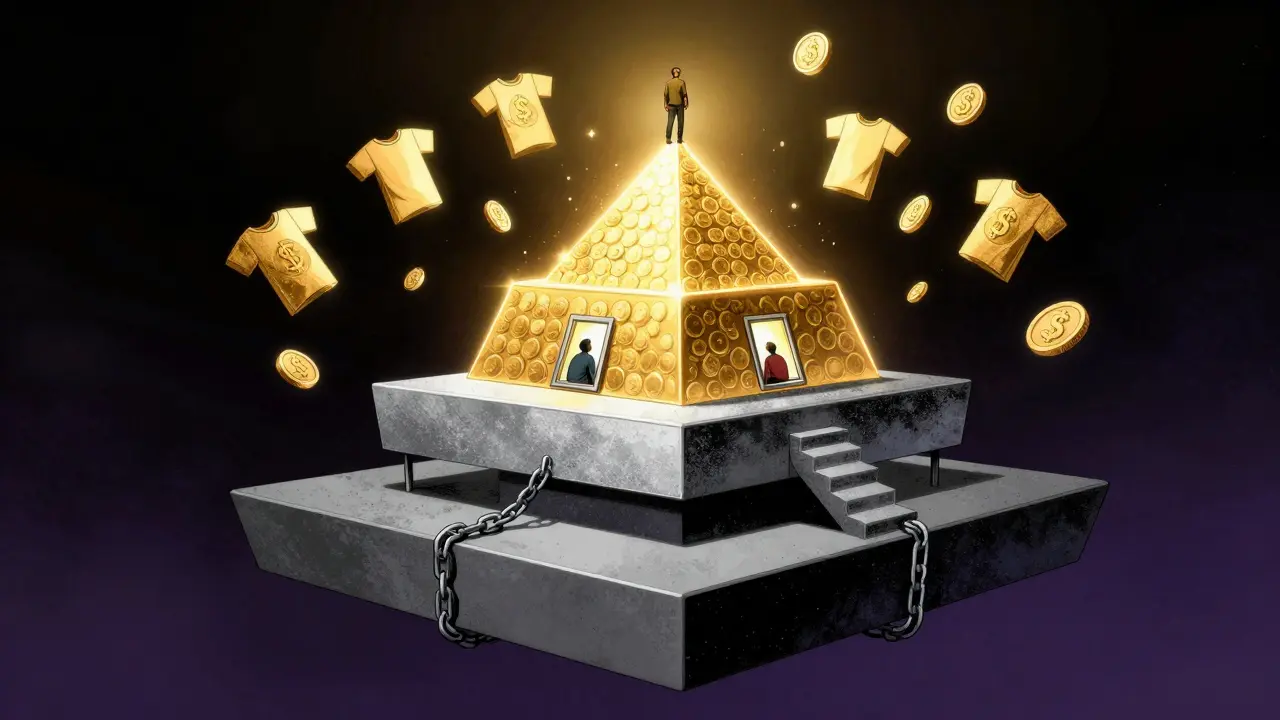
Decoding the Documentation
Before transferring any funds, you must verify the terms. Most platforms won't tell you this at checkout; you have to go digging. Start with the official website of the collection. Look for a page labeled "Terms," "IP License," or "Legal." Reputable projects, especially those backed by large studios like Yuga Labs, publish these documents clearly.
If the website is silent, check the Smart Contractis self-executing code that enforces the terms of a digital agreement. While code isn't always easy to read, open-source tools can help decode whether rights are hardcoded. Be aware that smart contracts often just handle the transfer of ownership, not the IP. Sometimes, the legal license is a separate PDF linked in the contract description. Don't rely solely on the marketplace interface (like OpenSea or Rarible) to tell you what you own. Those platforms act as brokers, not guarantors of intellectual property law.
Aarna Law and other firms suggest treating every purchase like a binding software license agreement. If you are spending significant capital, consult a lawyer who specializes in digital assets. The cost of a consultation is far less than the potential penalty for accidental infringement. One major mistake beginners make is assuming that because they can download the file, they own the copyright. Downloading the PNG does not grant you the same rights as the paper deed to a house grants land rights.
Risks and Common Pitfalls
Even with good intentions, buyers slip up. A common error involves the Creative Commonsis a license type that allows creators to define how others can use their work standard. Some projects use CC0 (public domain), meaning anyone can use the art freely. Buyers sometimes interpret this as allowing them to rebrand the entire collection. They cannot. You only own the rights associated with your specific token number, not the collective brand.
Another emerging risk involves Generative AI. As of late 2023 and continuing through 2026, many artworks are partially or fully AI-generated. The U.S. Copyright Office has stated that works without sufficient human authorship may not be copyrightable. If you buy an AI-generated NFT, there might be no copyright to transfer in the first place, leaving you with a purely speculative asset. It makes the legal protections weaker. Additionally, international laws vary. What holds true in Wellington, New Zealand, might differ in London or New York. Cross-border enforcement of NFT disputes remains difficult, which adds risk to high-value transactions.
We have seen disputes rise where collectors claimed they could launch franchises based on their characters. Without explicit written consent, these ventures fail quickly. In Q2 2023, analysis showed nearly 68% of buyers admitted they didn't fully understand the IP attached to their purchase. This gap in knowledge creates vulnerability. Brands protecting their IP now actively monitor resales and derivatives. If you ignore the terms, you risk receiving a cease-and-desist letter.
What Comes Next for Digital Ownership
The landscape is maturing rapidly. Organizations like the World Intellectual Property Organization (WIPO) formed working groups recently to address these gaps globally. We are seeing a trend toward standardized license templates. More projects are adopting the "Can't Be Evil" style license model mentioned earlier, which explicitly outlines the scope of allowed commercial activity.
Regulations are catching up. In Europe, the Digital Markets Act has begun addressing digital assets, offering more clarity on liability. In the U.S., courts are starting to hear more cases, such as McFarland v. Doe, which sets precedents for digital property. By 2026, we expect marketplaces to enforce better transparency. It is becoming common for listing pages to show a badge indicating whether commercial rights are included. Until that becomes standard practice everywhere, the responsibility rests entirely on the buyer.
Creators also play a role. Artists who mint their own work should never upload files they do not own. Platforms are cracking down on stolen art. If you are a buyer, sticking to verified collections reduces the risk of ending up with a fake asset. Always remember: the blockchain verifies you own the token. It does not verify you own the creativity behind it. That requires a contract, not just code.
Does owning an NFT mean I own the copyright?
Generally, no. Ownership of the token confirms your status as the collector, but copyright usually remains with the artist unless a written agreement explicitly transfers it to you.
Can I sell merchandise using my NFT image?
You can only do this if the project grants commercial rights. Some collections allow it, while others restrict use to personal display only. Always check the specific license terms for the collection.
What happens if I infringe on the rights accidentally?
Rights holders can issue a takedown notice or sue for damages. To avoid this, review the legal documentation thoroughly before using the artwork commercially or modifying it for products.
Are there NFTs that give full ownership of the art?
Some projects do transfer full IP rights upon purchase, effectively handing over control to the buyer. However, this is rare and will be explicitly detailed in a dedicated intellectual property assignment document.
Do AI-generated NFTs have copyright protection?
Often not. Many jurisdictions require human authorship for copyright. If an AI created the image with minimal human input, the work may fall into the public domain, making legal ownership murky.
Shubham Maurya
March 28, 2026 AT 13:11The whole idea that holding an NFT equals owning the IP is absolutely crazy 🤯 Most people think they are kings of their JPEGs but they are really just ticket holders 😂 Legal teams are waiting for people to sue them 🚫 You really need to check the metadata or you get crushed 💀 It is wild how much money changes hands for fake promises 📉 The blockchain does not care about your business plans 🙄 Just remember that ownership isn't ownership if you cant sell merch 🛑 Don't become another statistic in the lawsuit bin ⚠️
Katrina Tate
March 29, 2026 AT 14:12There is a significant disconnect between market hype and legal reality regarding these assets. Many purchasers operate under false assumptions about what the token actually represents. Copyright law remains firmly with the original creator unless specific clauses dictate otherwise. This separation creates vulnerabilities for anyone attempting commercial exploitation. The market has not yet standardized these terms across different platforms.
Justin Garcia
March 30, 2026 AT 11:24You guys are asleep at the wheel. Nobody cares about the law until the cease and desist letter hits. Then everyone suddenly cares about terms.
Liam Robertson
March 31, 2026 AT 06:15It is great to see people waking up to this issue slowly. Understanding the rules makes us all better participants. We should focus on projects that are transparent about rights. Building a strong community starts with honesty. Everyone deserves to know exactly what they buy.
athalia georgina
April 1, 2026 AT 11:16I mean its kinda obvious rite but still ppl dont get it. Why does the artist have to give it up? They worked on it. Buying the ticket doesnt mean u own the stadium either. People get mad when they realize they cant print stuff. Its the fine print thats usually silent about rights.
joshua kutcher
April 2, 2026 AT 06:48We need to approach these purchases with caution and genuine curiosity about the fine print. Reading through the documentation protects not just us but the entire ecosystem from friction. It feels frustrating when expectations clash with legal terms but preparation helps. Many creators are trying their best to clarify these boundaries too. A little research goes a long way in avoiding regret later on.
Ashley Stump
April 4, 2026 AT 01:10They want you to lose money on the secondary market eventually. The big studios are pulling the rug out from under small holders. Read the EULA before the wallet sign transaction happens.
Disha Patil
April 4, 2026 AT 06:54I feel like everyone forgets the basics of contract law in this space. It is sad when people spend thousands only to learn they own a pointer. The community could be stronger if we shared this info more. Silence on licenses hurts the whole group in the end.
Callis MacEwan
April 4, 2026 AT 20:00The underlying consensus layer does not natively enforce IP rights transfers. Smart contracts execute transactions but lack semantic meaning for copyright assignment. Metadata pointers reference off-chain storage which often lacks immutable license binding. This architectural design flaw necessitates external legal frameworks for verification. Most holders are unaware of the technical limitations inherent to the ledger state.
Sean Carr
April 5, 2026 AT 13:53This is a very important technical perspective. Knowing the code limits helps manage expectations. We should encourage projects to upgrade their standards. Transparency benefits all parties involved. Keep sharing these insights.
Sahithi Reddy
April 5, 2026 AT 15:04people buy things thinking they own the image file completely when they actually hold a receipt on a chain. the distinction matters a lot because artists keep copyright by default in almost every single case. you can display the picture online but making shirts is different legally speaking. many collections never state what rights are included in the purchase process explicitly. if the license says nothing then the creator keeps all commercial usage permissions for themselves. this affects resale value significantly when buyers realize they cannot monetize assets. smart contracts do not always transfer intellectual property alongside the token id. we see projects changing terms mid launch which causes confusion for collectors everywhere. understanding the difference between token ownership and art ownership prevents legal trouble later on. investors should read the terms of service before spending large sums of money on digital goods. the market is full of scams targeting people who do not know basic laws. education is the best defense against losing money on misunderstood assets. creators need to be transparent about licensing from the very beginning of the project. transparency builds trust within the community of buyers and sellers alike. legal clarity helps everyone participate safely in the evolving digital economy. without clear rules nobody wins in the long term game. this is why reading documents is essential now.
Andrew Midwood
April 6, 2026 AT 15:55The interoperability of blockcains relies heavily on metadata consistency. We need standardized schemas for ip assignment to work across chains. Right now the legacy code structures cause fragmentation issues. Licensing models should be embedded in the minting function itself perhaps. It would reduce litigation dramage for everyone involved.
Mansoor ahamed
April 6, 2026 AT 19:47Verify the terms before buying anything.
Domenic Dawson
April 7, 2026 AT 21:44That advice is incredibly valuable for the community. Clarity prevents many unnecessary conflicts down the line. Protecting yourself early saves stress later.