
When navigating Technology, the collection of tools, methods, and concepts that drive modern digital innovation. Also known as Tech, it touches everything from finance to data security, shaping how we build and protect decentralized systems. In the crypto world, technology isn’t just buzz – it’s the engine behind faster transactions, safer coins, and more private trading.
One key breakthrough is Modular blockchain architecture, a design that separates execution, consensus, data availability, and settlement into distinct layers. This layered approach enables scalability while keeping security tight. Another hot topic is Crypto privacy, the set of techniques that hide transaction details from prying eyes, which directly challenges surveillance tools like Chainalysis. Together, these concepts show how Technology encompasses modular blockchain architecture and requires robust privacy measures to stay ahead of regulators.
Security threats also shape the tech landscape. A hash collision can break the trust model of any blockchain, prompting developers to adopt quantum‑resistant algorithms. Meanwhile, data structures such as the Merkle tree, a cryptographic tree that efficiently verifies large data sets (including its variant, the Merkle‑Patricia tree) decide how fast a node can confirm a transaction. These pieces illustrate that Technology influences blockchain security and leverages efficient data structures to improve performance.
Below you’ll find a curated set of deep‑dive articles that unpack each of these elements. We cover how modular designs are reshaping next‑generation chains, the arms race between privacy tools and surveillance, real‑world hash collision incidents, and a side‑by‑side comparison of binary Merkle trees versus Merkle‑Patricia trees.
Readers can expect clear explanations, practical examples, and forward‑looking insights that link theory to real deployment. Whether you’re a developer looking to choose a data structure, an investor tracking privacy trends, or just curious about how layered blockchains work, the posts below will give you the context you need to make smarter decisions.
Ready to dive into the specifics? Explore the articles and see how each technology piece fits into the larger puzzle of modern crypto and beyond.

Learn how blockchain transforms patent management through immutable records and automated smart contracts. Discover practical steps, legal challenges, and future trends for securing your IP.

Learn how to keep your private keys safe with expert tips on hardware wallets, seed phrases, and avoiding common crypto security mistakes.

Explore the critical differences between on-chain and off-chain NFT metadata storage. Learn how IPFS, Arweave, and centralized servers impact your NFT's permanence, cost, and security.

Explore the critical trade-offs of smart contract immutability. Learn when to use immutable vs. proxy contracts, understand the security risks, and see how top DeFi protocols balance flexibility with trustlessness.

Explore how blockchain security is evolving against 51% attacks in 2026. From the Monero incident to Bitcoin's defenses, learn the risks, costs, and new protection strategies.

Discover how price oracles bridge the gap between blockchain and real-world data. Learn about Chainlink, Uniswap oracles, security risks, and best practices for DeFi development.

A detailed guide on verifying the legitimacy of the BlockSwap Network CMC StakeHouse Game airdrop. Learn how to spot scams, secure your wallet, and safely participate in Web3 gaming rewards.

Explore how DAOs make decisions through token-based voting, smart contracts, and community proposals. Learn about quorum, pass rates, and real-world examples like Lido DAO.

Learn how to remove metadata from images, videos, and documents across all platforms without installing software. Explore browser-based tools, portable apps, and built-in OS features for complete privacy protection.

Explore the real security dynamics of Proof of Stake. We debunk myths about centralization and 51% attacks, explaining how slashing and economic incentives protect blockchain networks better than traditional mining.
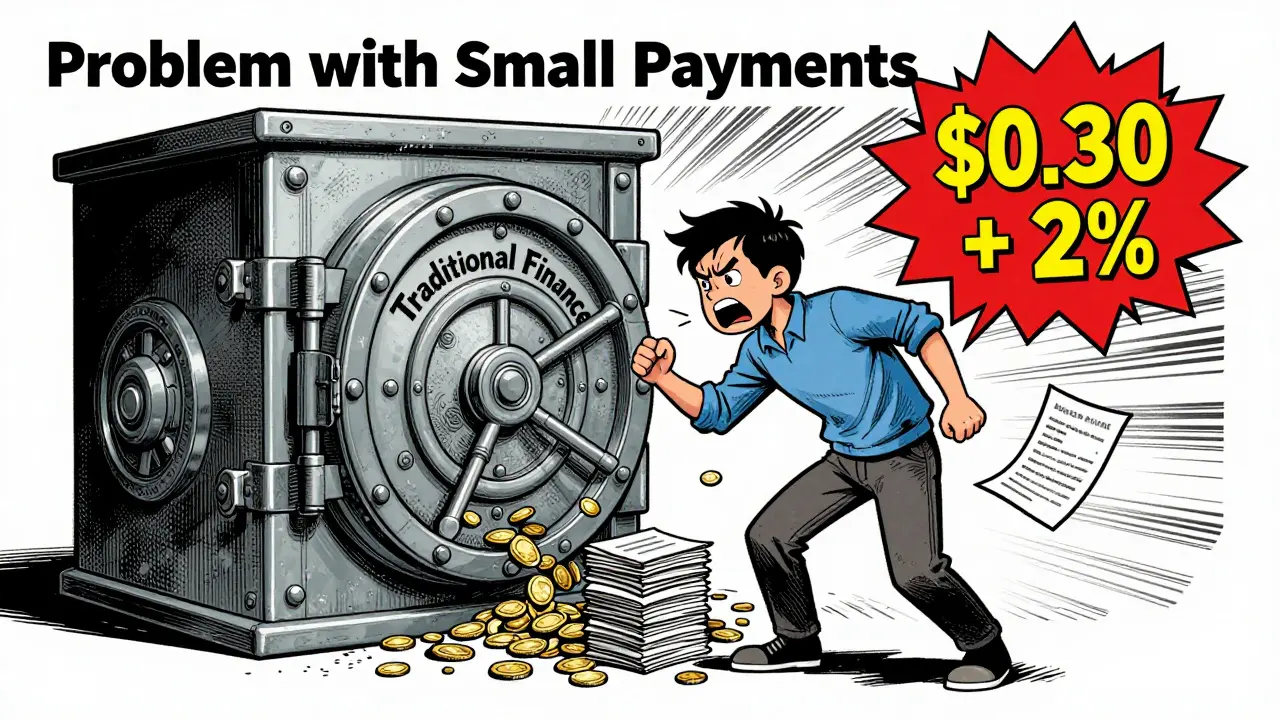
Explore how blockchain enables tiny payments for digital content, bypassing high fees of traditional processors. Learn about smart contracts, token types, and the real barriers stopping mass adoption.

Explore the evolving environmental impact of NFT art. From the high-carbon days of Proof-of-Work to the eco-friendly shift of Proof-of-Stake, discover how blockchain technology is becoming sustainable.