

Safe Haven (SHA) is a cryptocurrency designed to help users plan the secure transfer of digital assets after death. Built on multiple blockchains, SHA enables encrypted inheritance through share-based access, ensuring only designated beneficiaries can unlock assets - together.
Nasdaq doesn't run a crypto exchange - it offers regulated crypto indexes and tokenized securities. Learn how institutional investors use Nasdaq's products for crypto exposure without direct exchange risk.
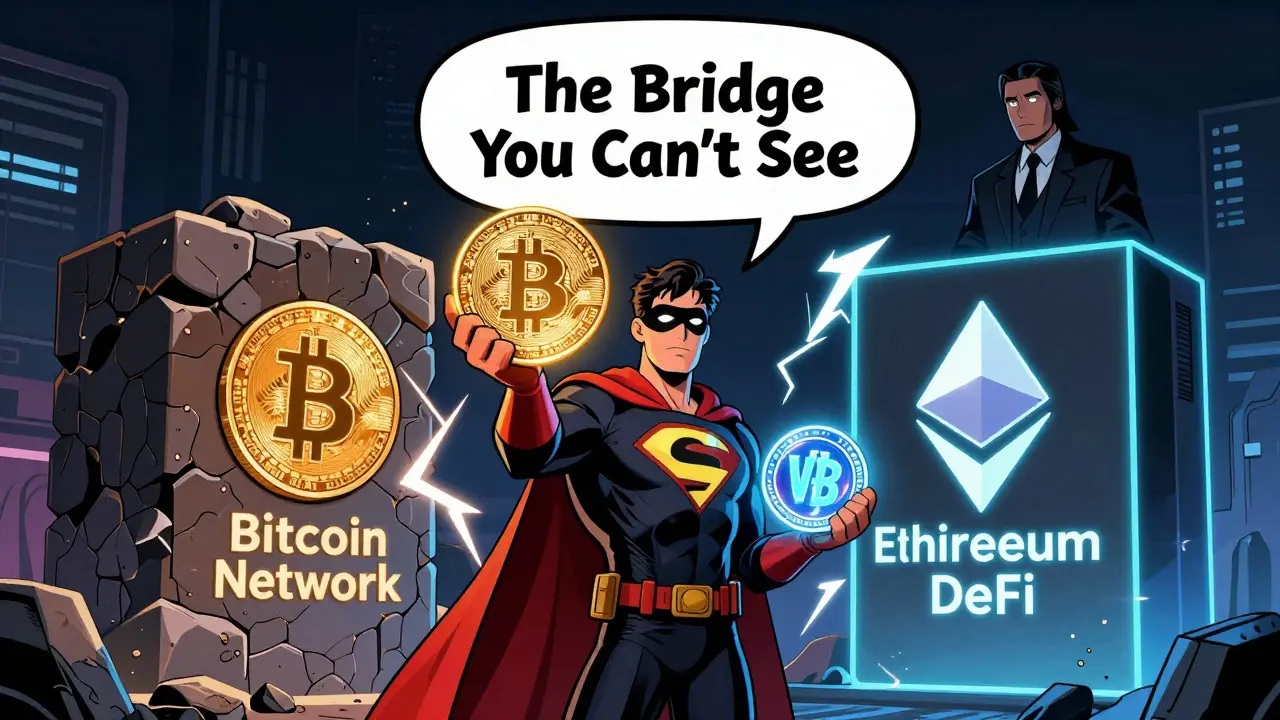
Wrapped tokens let you use Bitcoin on Ethereum, but they come with hidden risks. Native tokens are safer but often can't interact with DeFi. Here's how they really work in 2026.
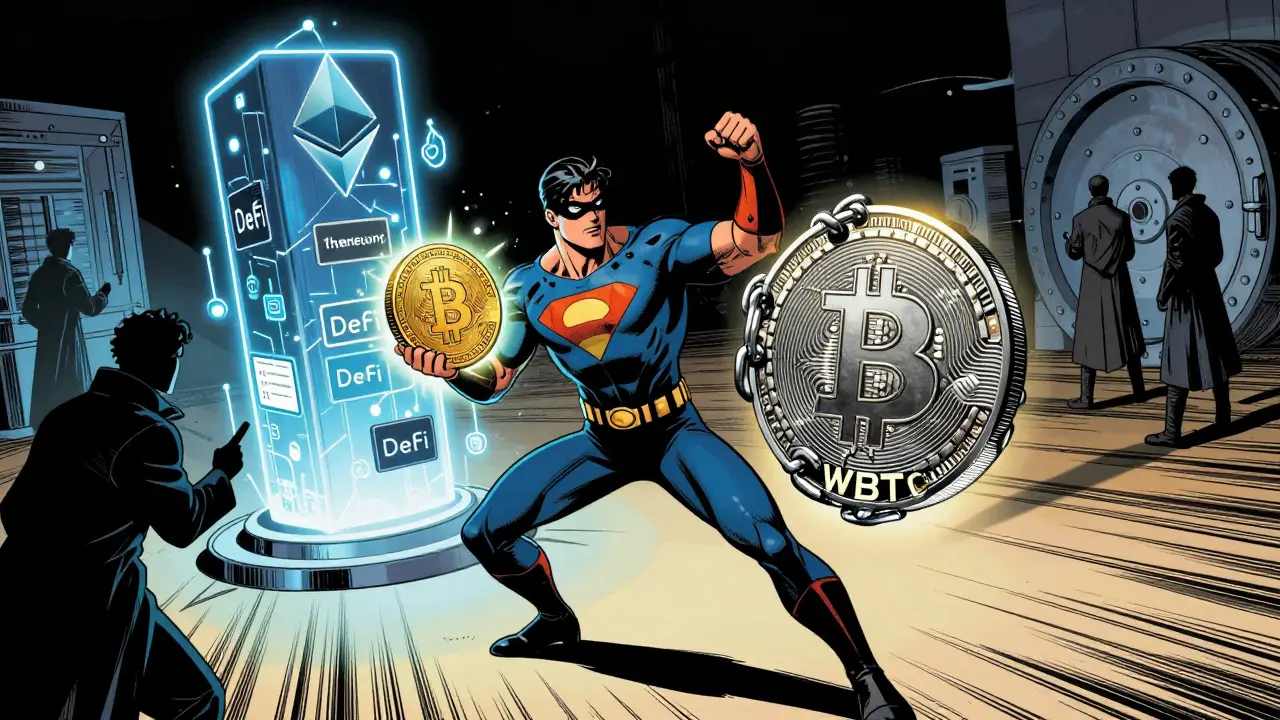
Wrapped tokens let crypto assets move across blockchains, but they come with hidden risks. Native tokens are secure but limited. Here’s what you need to know in 2026 to use them wisely.

TAGZ Crypto Exchange promised zero fees and lightning-fast trades but collapsed amid fraud allegations. Learn how it misled users, why it failed, and how to avoid similar scams.
Learn how to join the Dogs Of Elon (DOE) airdrop, what tokens you can earn, and whether it's worth participating. Get the facts on pricing, staking, and market trends.
BXTEN is a new crypto exchange targeting Southeast Asia with a unique trading mining program. But with unverified volumes, no regulatory license, and minimal user adoption, is it safe? Here's what you need to know in 2026.
Sphynx Labs isn't a real crypto exchange - it's a risky DeFi app with a volatile token. Here's what you need to know before using it.
Ring Exchange is not a real crypto exchange-it's a scam. This article exposes the red flags, how the fraud works, and lists legitimate Ethereum trading platforms you can trust in 2026.

DAO voting mechanisms determine how decentralized organizations make decisions. From quadratic voting to conviction systems, this guide breaks down the real-world methods that prevent whale dominance and empower small holders.
Impermanent loss is a real risk in DeFi liquidity provision, but fees can offset it. Learn how volatility, pool choice, and timing affect your returns-and whether it's still worth providing liquidity in 2026.

Learn how to provide liquidity in DeFi, earn trading fees, and manage risks like impermanent loss. Start with ETH/USDC pools on Uniswap or Raydium for steady passive income.