

Iran doesn’t have a simple list of banned crypto exchanges like you’d find in a government press release. Instead, Iranian users face a layered system of restrictions - some from their own government, others from international companies forced to comply with U.S. sanctions. It’s not that one exchange is outlawed and another is allowed. It’s that access to crypto has been systematically cut off, rebuilt, and monitored under tight control.
Iran’s Government Took Control of Crypto Payments
On December 27, 2024, Iran’s Central Bank shut down all cryptocurrency-to-rial and rial-to-crypto transactions through domestic websites. That meant no more buying Bitcoin with Iranian rials through local apps like Nobitex or Digifinex. The move wasn’t meant to stop crypto entirely - it was meant to control it. By January 2025, the government started allowing a few exchanges to reopen, but only if they connected directly to a state-controlled API. This API gives Iranian authorities full visibility into every trade, every wallet address, and every user’s identity. If you’re trading crypto in Iran today, you’re doing it through a system the government can watch in real time. There’s no privacy. No anonymity. Just monitored transactions.International Exchanges Blocked Iranian Users
While Iran restricts how people trade, foreign exchanges block them entirely. Tether, the company behind USDT (the most popular stablecoin in Iran), froze 42 Iranian-linked addresses on July 2, 2025 - more than half of them tied to Nobitex. These weren’t random accounts. They were linked to wallets that had moved money to IRGC-affiliated addresses, flagged by international counter-terrorism agencies. Tasnim News, a state-aligned outlet, warned Iranian users that Tether might freeze even more accounts. Thousands of Iranian wallets have already been locked. Users who held USDT on exchanges like Bittrex lost access to their funds when the platform shut down in 2024. One Iranian man sued Bittrex for $88 million after losing his crypto during the 2021 bull run. The court dismissed the case, saying the exchange’s Terms of Service gave them the right to freeze accounts for compliance reasons.Nobitex Is Under Fire, But Still Operational
Nobitex is Iran’s largest crypto exchange. It’s where most Iranians traded Bitcoin, Ethereum, and USDT. But after the Tether freeze, it became a target. Iranian regulators didn’t shut it down - they forced it to connect to their monitoring system. Now, Nobitex still operates, but only under strict government oversight. Users can trade, but only if they’re visible to the state. The problem? Even if Nobitex is technically allowed to run, many international payment gateways and liquidity providers won’t work with it anymore. That means fewer buyers, slower trades, and higher spreads. Iranian users who used to trade $20 million in crypto daily in 2020 now face a much smaller, more restricted market.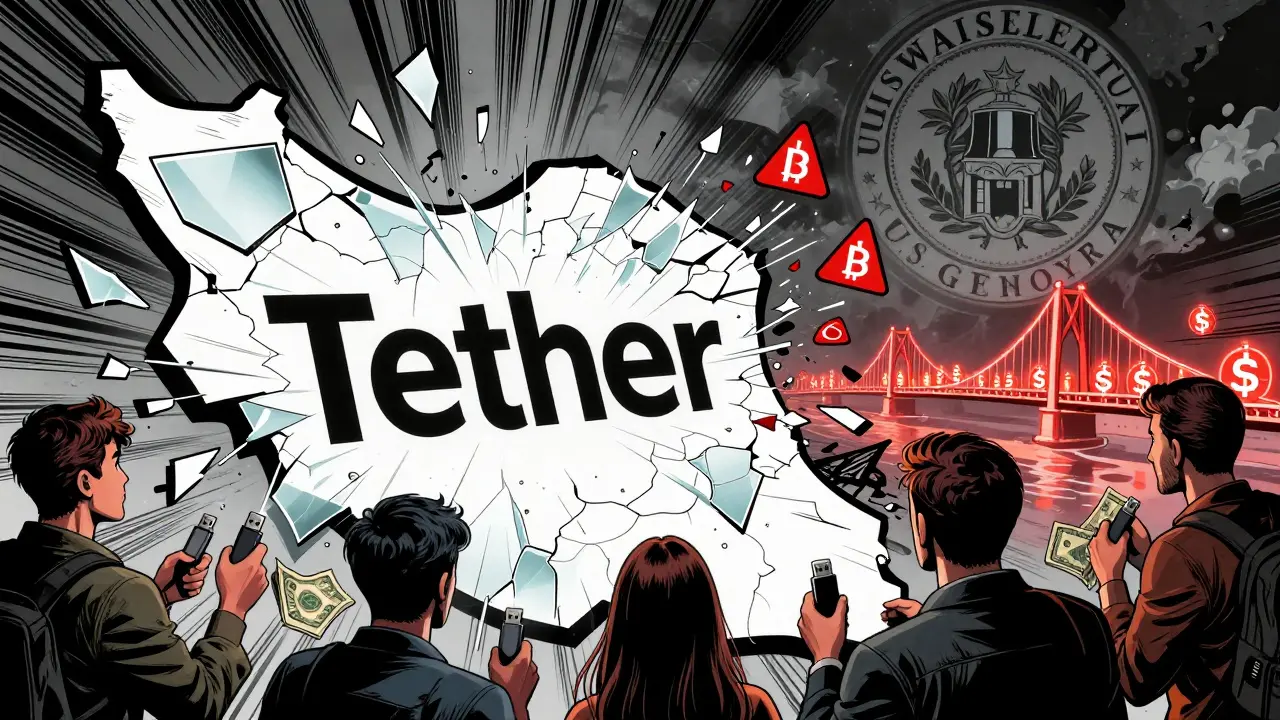
Stablecoin Limits Are Tightening
On September 27, 2025, Iran’s Central Bank imposed hard limits on stablecoin holdings. Each person can buy no more than $5,000 in USDT or other stablecoins per year. And they can hold at most $10,000 at any time. That’s not enough to move significant wealth - but it’s enough to let people hedge against inflation. These rules were introduced just hours before the UN reinstated sanctions. The timing wasn’t accidental. The government wanted to control how much crypto could flow out of the country. Holding more than $10,000 in stablecoins is now a violation. Some users report being flagged by the Central Bank for exceeding the limit - even if they didn’t know it existed.Advertising Crypto Is Now Illegal
In February 2025, Iran banned all crypto advertising - online and offline. That means no more YouTube videos explaining how to buy Bitcoin. No more Instagram posts from influencers pushing crypto wallets. No billboards in Tehran promoting crypto exchanges. Even discussing crypto on public forums can lead to fines or account suspensions. This isn’t just about stopping new users. It’s about erasing crypto from public view. The goal is to make it harder for young people to learn about it. To make it feel like crypto doesn’t exist - even though millions of Iranians still use it.How Iranians Are Bypassing the Restrictions
People don’t stop trading just because the rules get tough. They adapt. Many Iranian users now swap USDT for DAI on the Polygon network. DAI isn’t controlled by Tether, so it’s harder to freeze. Others use peer-to-peer platforms like LocalBitcoins or Paxful, trading directly with strangers in Turkey, Armenia, or Georgia. Some use Turkish banks to convert crypto to fiat - Turkey has become the main bridge between Iran and the global crypto market. Turkish intermediaries are now central to Iran’s crypto economy. Western governments have identified Turkish firms as key players in sanctions evasion. They process payments, hold wallets, and help move crypto out of Iran. It’s not legal. But it’s common.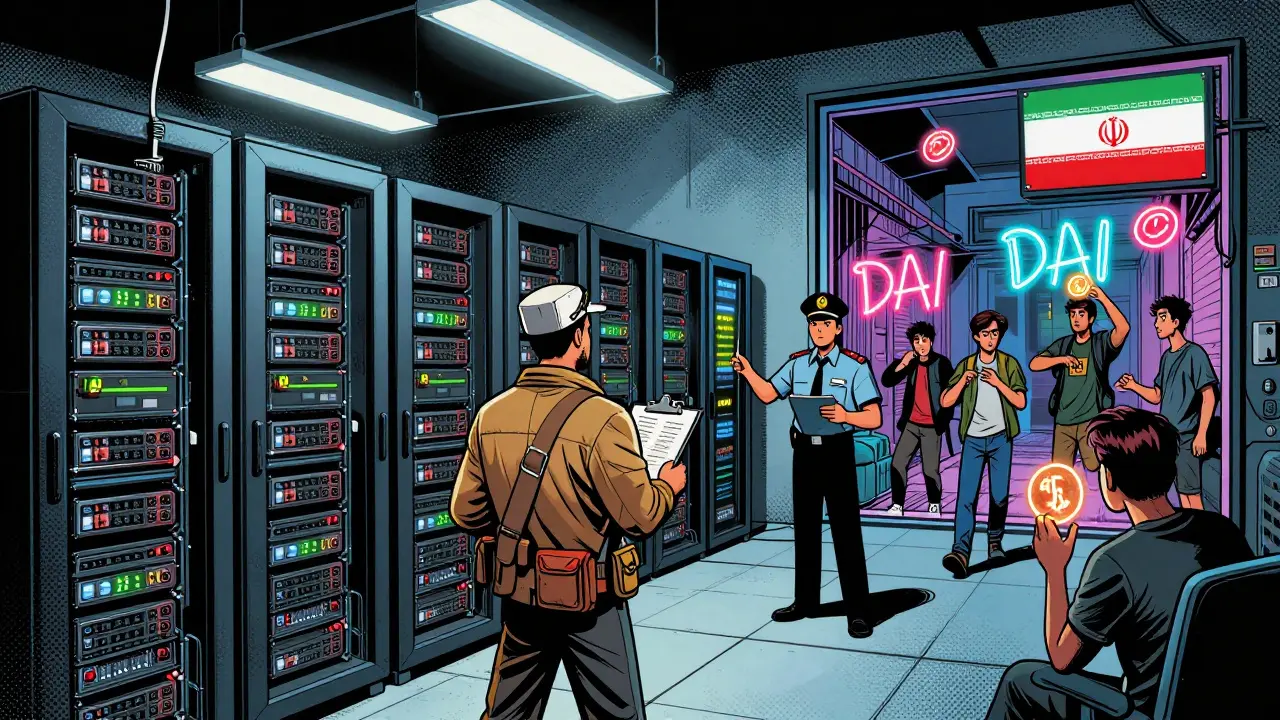
Taxation Is the New Tool of Control
In August 2025, Iran passed a new law taxing crypto profits. For the first time, capital gains from Bitcoin or Ethereum trades are treated like gains from gold or real estate. If you make $5,000 trading crypto, you owe taxes on it. This isn’t about fairness. It’s about control. By taxing crypto, the government admits it exists - and now it can track who’s making money. It also makes crypto less attractive to casual traders. Why risk freezing your wallet if you’ll also owe the state 15% of your profit?What This Means for Users Today
There’s no official list of banned exchanges because the ban isn’t about names - it’s about access. You can’t use Bittrex anymore. Tether freezes your USDT. Your local exchange only works if you’re being watched. The rules change fast. What’s allowed today might be blocked tomorrow. If you’re in Iran and want to trade crypto, you’re not choosing between exchanges. You’re choosing between risk levels:- Use Nobitex with government monitoring - safe from freezing, but no privacy.
- Use DAI on Polygon - harder to freeze, but slower and less liquid.
- Trade P2P with Turkish intermediaries - higher fees, but more freedom.
- Avoid crypto entirely - no risk, but no hedge against inflation either.
Why This Matters Beyond Iran
Iran’s situation isn’t unique. Venezuela, Russia, and North Korea face similar restrictions. What’s happening in Iran is a blueprint for how authoritarian regimes and global sanctions can work together to crush crypto freedom. The U.S. Treasury didn’t just target banks - it targeted crypto addresses. OFAC designated 13 crypto wallets in 2024 alone, the second-highest number in seven years. This shows that digital assets are now a frontline in economic warfare. Iranians didn’t give up on crypto. They just got smarter. They moved to DAI. They used Turkey. They traded offline. They learned to hide. And they kept going - even when the system tried to shut them down.Are any crypto exchanges legal in Iran?
Only exchanges that connect to the Iranian Central Bank’s government-controlled API are allowed to operate. Nobitex and a few others still function, but only under full state surveillance. No foreign exchange can legally serve Iranian users unless they comply with Iran’s data-sharing rules - which most refuse to do.
Why was Tether blocking Iranian accounts?
Tether froze Iranian-linked wallets because they were connected to addresses tied to the Islamic Revolutionary Guard Corps (IRGC), which is under U.S. sanctions. Tether, like all major crypto firms, must comply with U.S. financial regulations. When the U.S. Treasury flags an address, Tether freezes it to avoid legal penalties. Over 42 Iranian addresses were frozen in July 2025, and thousands more have been blocked since.
Can I still buy Bitcoin in Iran?
Yes, but it’s harder. You can buy Bitcoin through government-monitored exchanges like Nobitex, but only up to $5,000 per year in stablecoins. You can also trade peer-to-peer with people in Turkey or Armenia using cash or other methods. But there’s no easy, fast, or safe way to buy Bitcoin without risking account freezes or legal trouble.
Is it illegal to hold crypto in Iran?
No, holding crypto isn’t illegal. But there are strict limits: you can’t hold more than $10,000 in stablecoins at once, and you can’t buy more than $5,000 per year. Exceeding these limits can trigger investigations. The government doesn’t ban ownership - it bans unmonitored accumulation.
Why is Turkey important for Iranian crypto users?
Turkey has a large, dollarized crypto market and flexible banking rules. Many Iranians use Turkish intermediaries to convert crypto to cash or send money abroad. Turkish exchanges and payment processors act as bridges between Iran and the global financial system. Western governments have identified Turkish firms as key players in Iran’s sanctions evasion networks.
What happened to Bittrex in Iran?
Bittrex froze all Iranian accounts in 2024 due to U.S. sanctions. The exchange later shut down entirely. Iranian users lost access to their funds, and lawsuits claiming damages were dismissed because Bittrex’s Terms of Service allowed them to freeze accounts for compliance reasons. Bittrex is no longer an option for Iranian users.
Can I use Coinbase or Binance in Iran?
No. Both Coinbase and Binance block Iranian users entirely. They comply with U.S. sanctions and do not allow registration or trading from Iranian IP addresses or bank accounts. Even using a VPN won’t help - these platforms actively detect and ban Iranian users.
Is crypto mining legal in Iran?
Yes, crypto mining is still legal and regulated in Iran. The government even encourages it as a way to use excess electricity. However, miners must register with authorities and pay taxes. Many mining operations are state-owned or closely monitored. Private miners face power cuts and equipment seizures if they don’t comply.
Gavin Francis
January 30, 2026 AT 14:15Gary Gately
January 31, 2026 AT 10:45Gareth Fitzjohn
February 1, 2026 AT 00:21Katie Teresi
February 1, 2026 AT 06:15Moray Wallace
February 2, 2026 AT 17:55William Hanson
February 3, 2026 AT 10:12Lori Quarles
February 3, 2026 AT 20:53Steven Dilla
February 5, 2026 AT 13:09josh gander
February 6, 2026 AT 07:31Ramona Langthaler
February 7, 2026 AT 16:30Sunil Srivastva
February 9, 2026 AT 05:57Devyn Ranere-Carleton
February 10, 2026 AT 11:44Kevin Thomas
February 11, 2026 AT 16:21Pamela Mainama
February 12, 2026 AT 23:41mary irons
February 13, 2026 AT 18:45Wayne mutunga
February 13, 2026 AT 21:05Jeremy Dayde
February 15, 2026 AT 06:14Tom Sheppard
February 15, 2026 AT 09:43Will Pimblett
February 16, 2026 AT 14:48Gustavo Gonzalez
February 16, 2026 AT 15:53Richard Kemp
February 16, 2026 AT 16:49Gurpreet Singh
February 17, 2026 AT 21:58Freddy Wiryadi
February 18, 2026 AT 18:22Brianne Hurley
February 20, 2026 AT 13:02christal Rodriguez
February 21, 2026 AT 00:27