
The RACA x BSC Metamon airdrop rewarded NFT holders with tokens and a gameplay-boosting Potion NFT. Learn how it worked, who qualified, and why it still matters today.

BXTEN is a new crypto exchange targeting Southeast Asia with a unique trading mining program. But with unverified volumes, no regulatory license, and minimal user adoption, is it safe? Here's what you need to know in 2026.
Sphynx Labs isn't a real crypto exchange - it's a risky DeFi app with a volatile token. Here's what you need to know before using it.
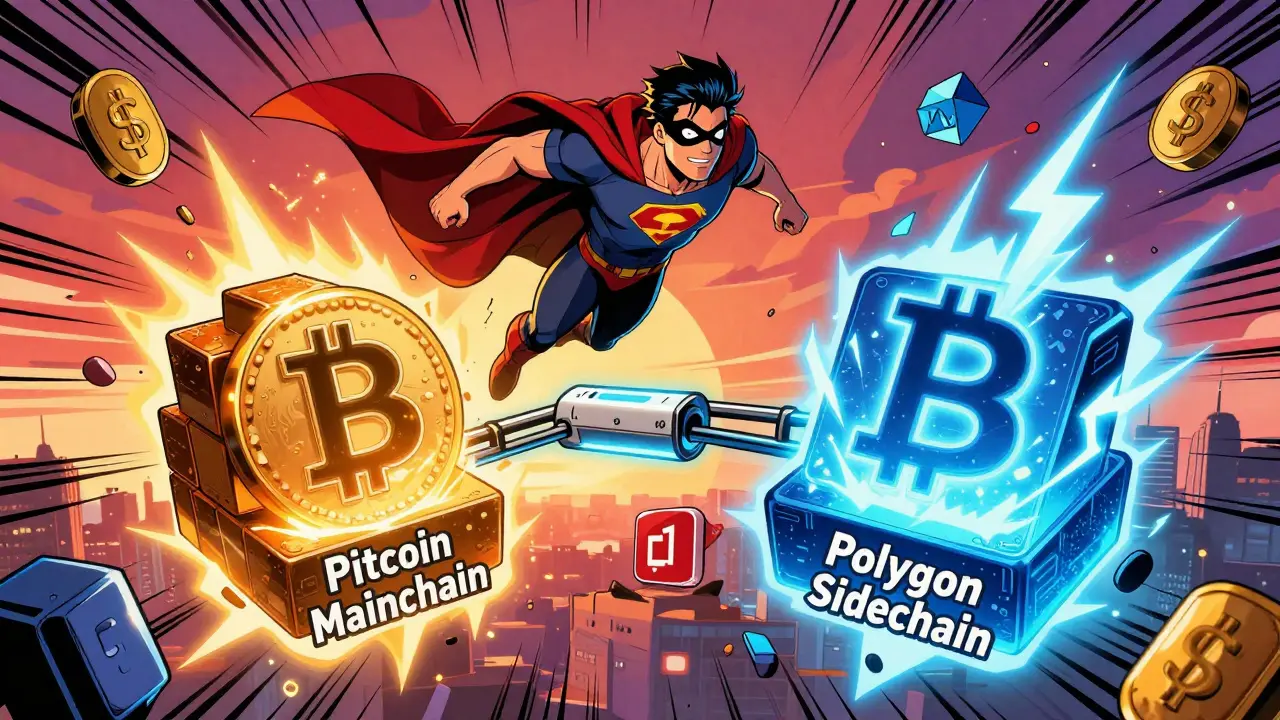
Sidechains enable faster, cheaper blockchain transactions by operating parallel to mainnets like Bitcoin and Ethereum. They power NFTs, enterprise apps, and Bitcoin smart contracts-with trade-offs in security. Learn how they're used today and why they matter.
Ring Exchange is not a real crypto exchange-it's a scam. This article exposes the red flags, how the fraud works, and lists legitimate Ethereum trading platforms you can trust in 2026.

DAO voting mechanisms determine how decentralized organizations make decisions. From quadratic voting to conviction systems, this guide breaks down the real-world methods that prevent whale dominance and empower small holders.
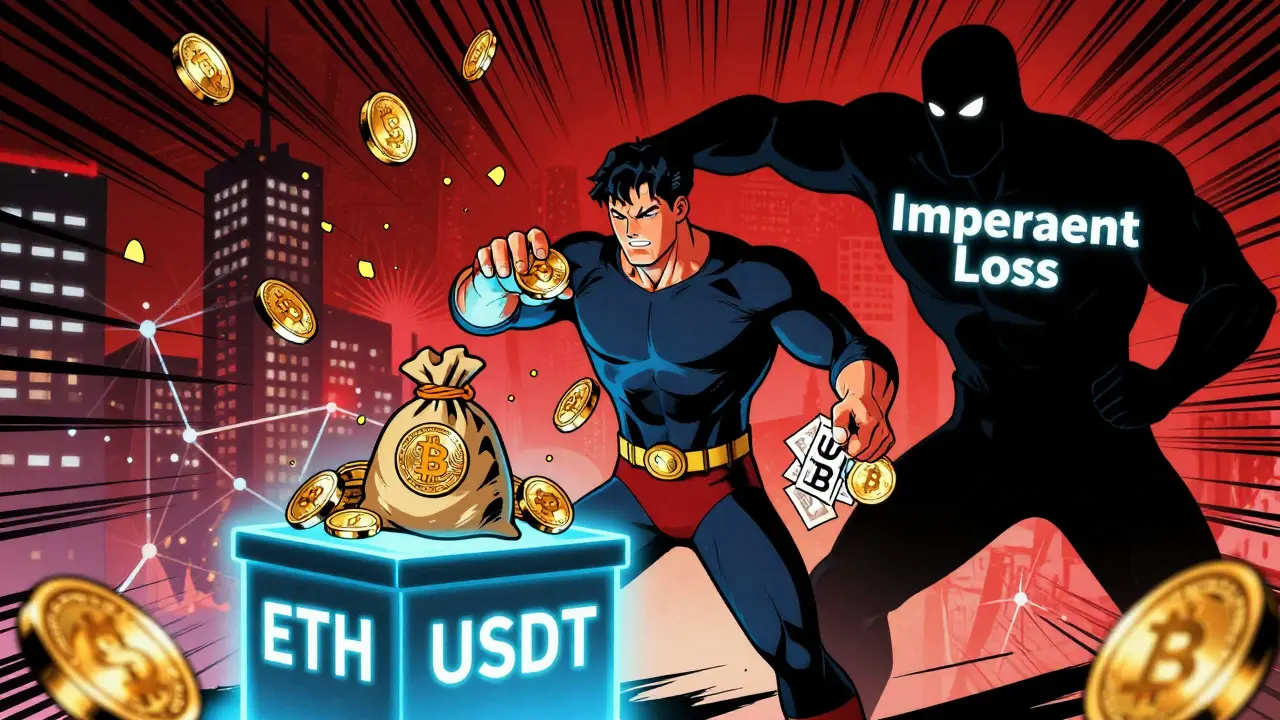
Impermanent loss is a real risk in DeFi liquidity provision, but fees can offset it. Learn how volatility, pool choice, and timing affect your returns-and whether it's still worth providing liquidity in 2026.

Learn how to provide liquidity in DeFi, earn trading fees, and manage risks like impermanent loss. Start with ETH/USDC pools on Uniswap or Raydium for steady passive income.
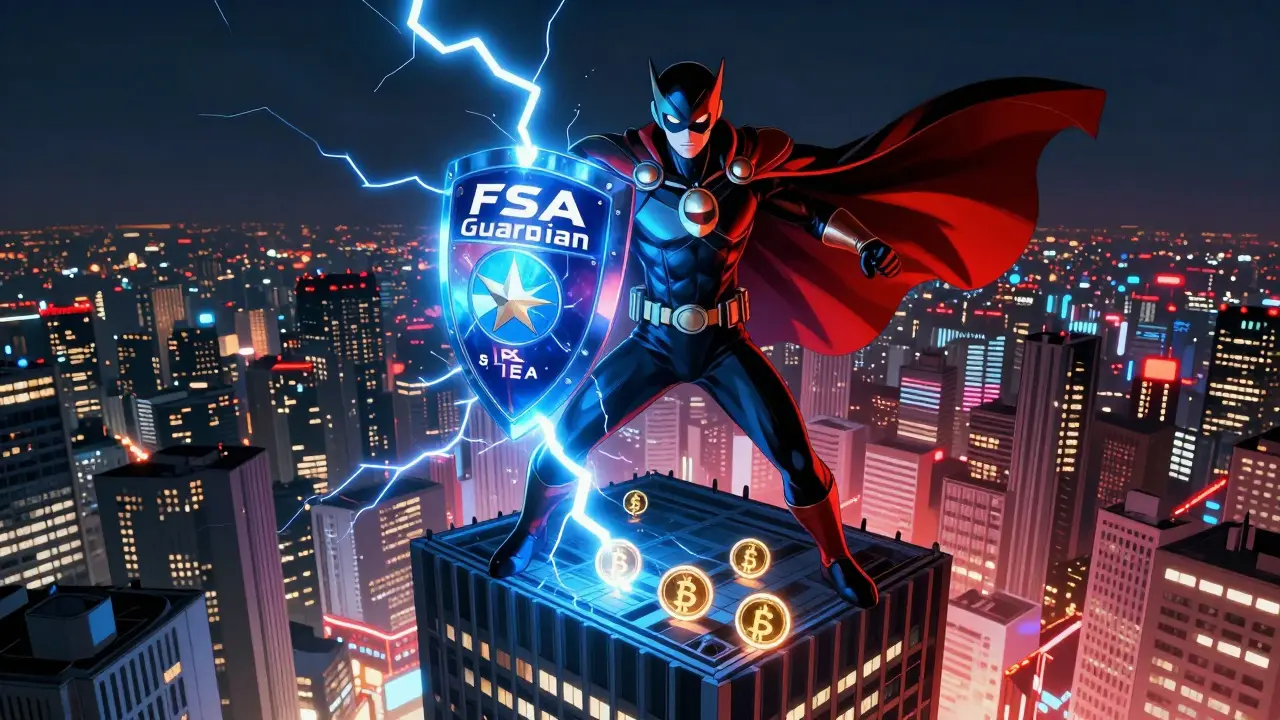
Japan's Financial Services Agency enforces one of the world's strictest crypto oversight systems, requiring exchanges to follow rigorous compliance rules-from cold storage mandates to securities-classified tokens. Learn how Japan turned a crypto collapse into a global regulatory model.
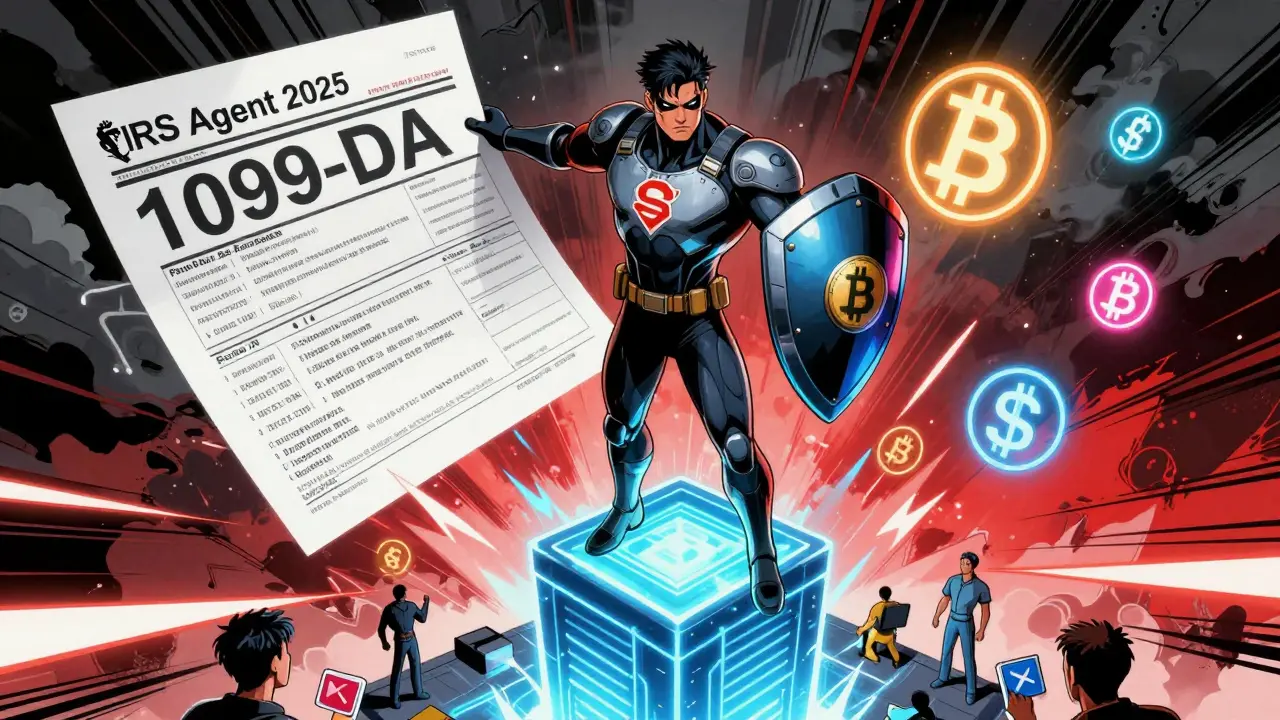
Cryptocurrency tax rules in 2025 require reporting every transaction, even small ones. Form 1099-DA now tracks sales and cost basis, and the IRS is aggressively enforcing compliance with audits and blockchain data. Ignoring crypto taxes can lead to heavy penalties.
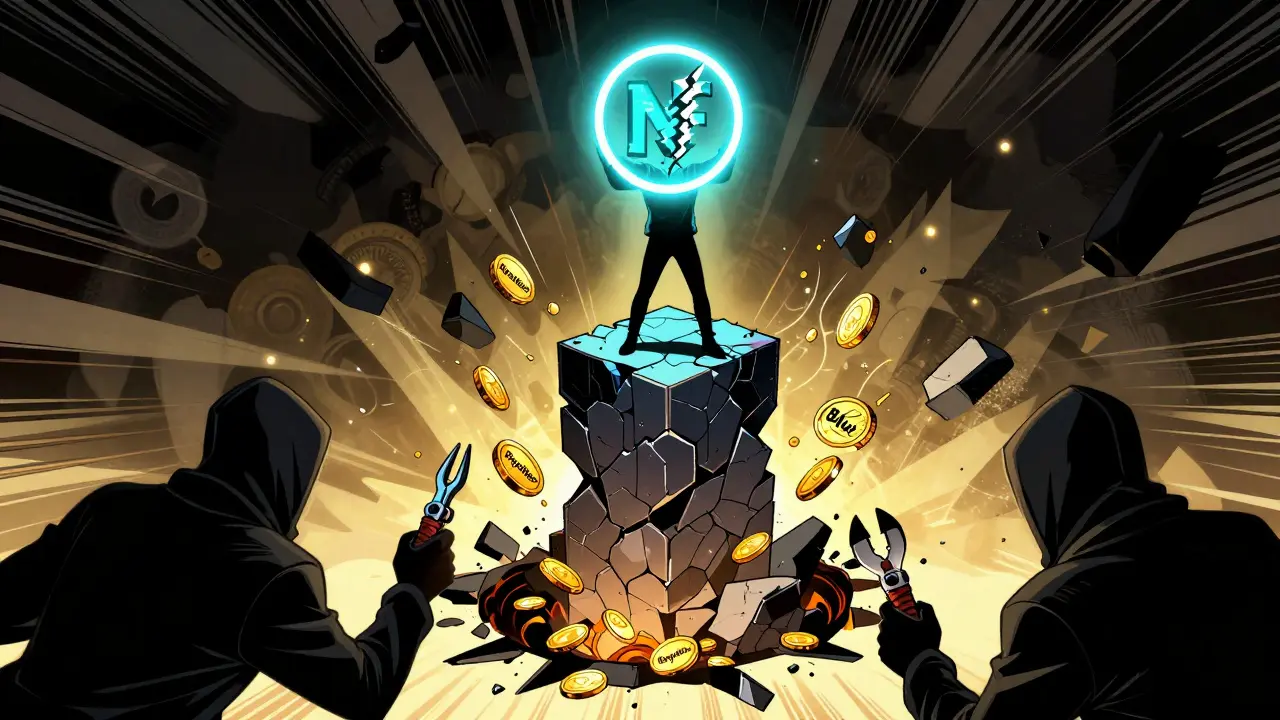
NFT royalty circumvention is undermining creators by allowing buyers and marketplaces to bypass automatic payments on secondary sales. Technical loopholes, optional standards, and rogue platforms have turned a promised income stream into a broken system.
The IRS treats Bitcoin as property, not currency, meaning every trade, spend, or sale triggers a taxable event. Learn how capital gains, FIFO rules, hard forks, and record-keeping impact your tax bill - and why ignoring this can lead to audits or penalties.