
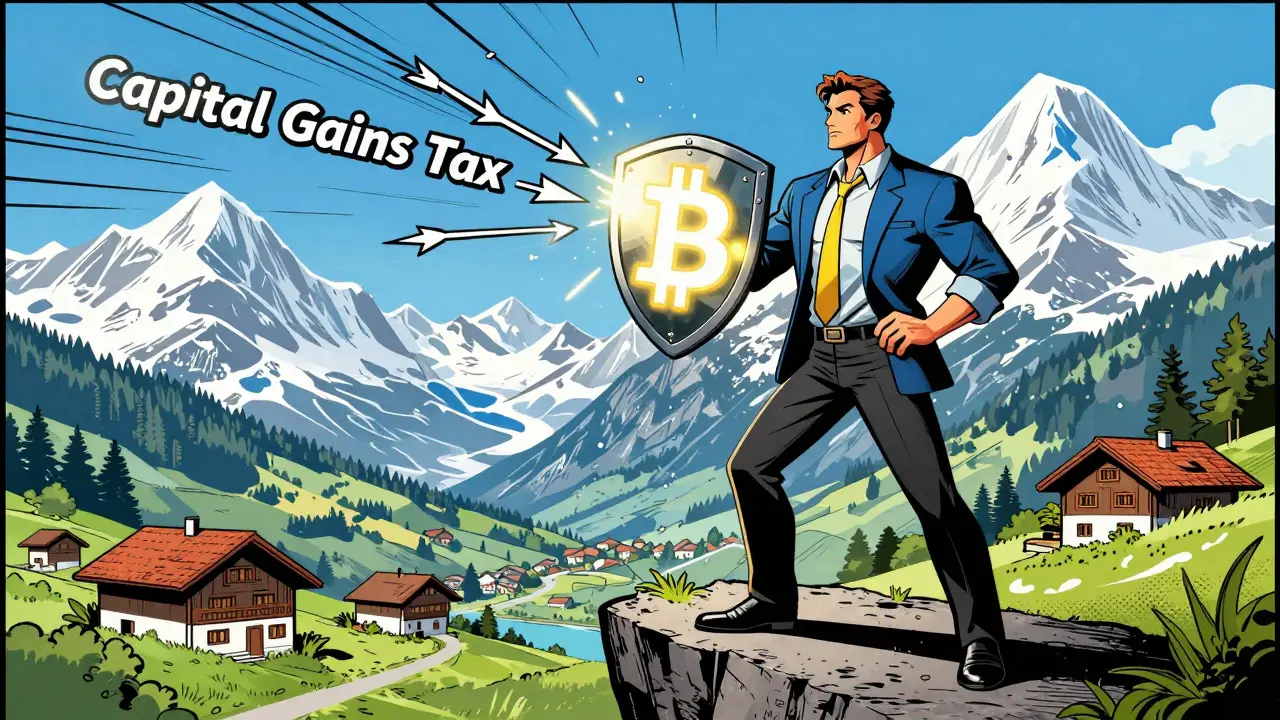
Understand how Switzerland taxes cryptocurrency wealth. Learn about the exemption from capital gains tax for private investors, annual wealth tax rates, and valuation rules set by the FTA.
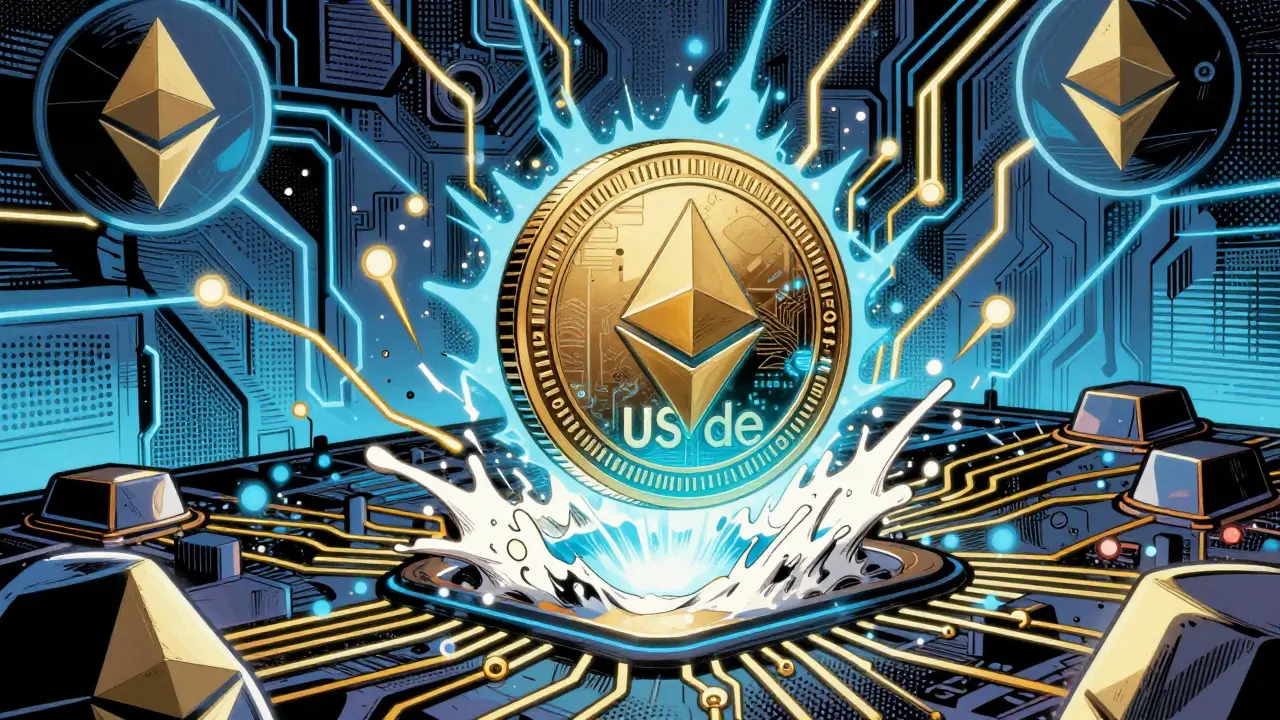
Discover what Ethena (ENA) is, how its synthetic dollar USDe works using delta-neutral hedging, and why it differs from traditional stablecoins like USDC.
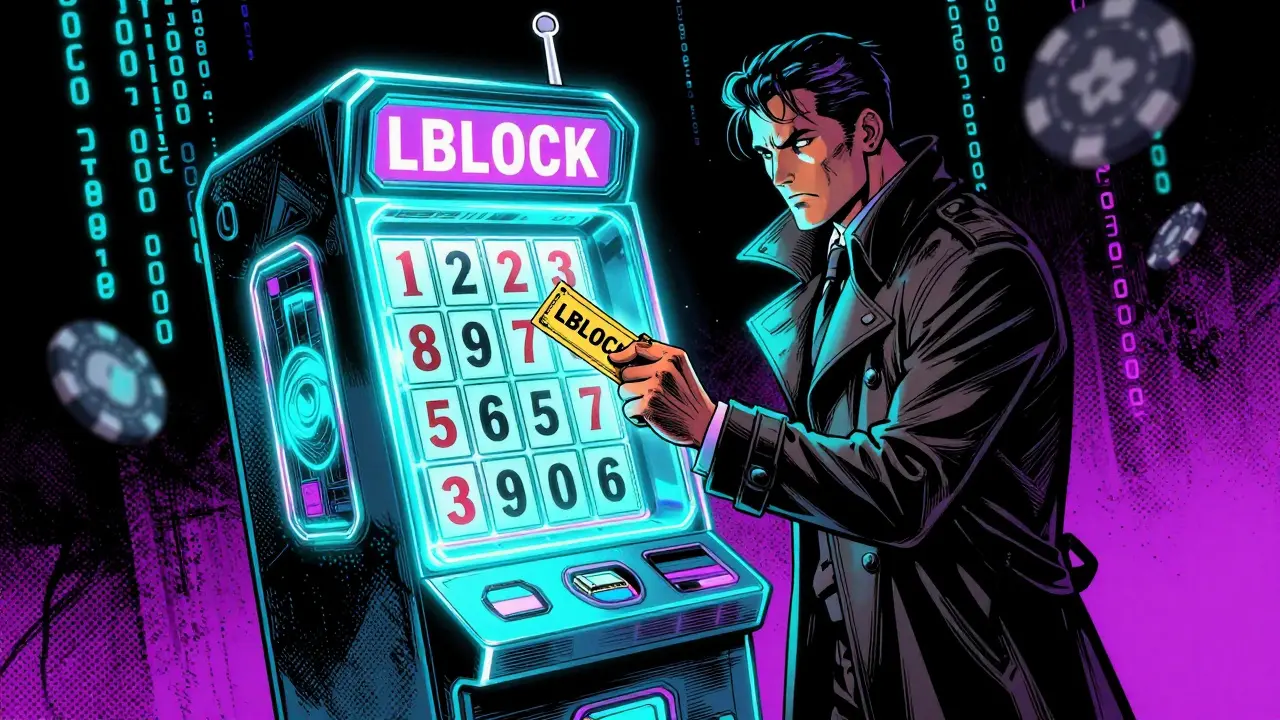
Lucky Block v1 (LBLOCK) is a legacy BSC lottery token that has lost 99% of its value. Learn why it differs from V2, its lack of exchange listings, and the risks of holding this illiquid asset in 2026.
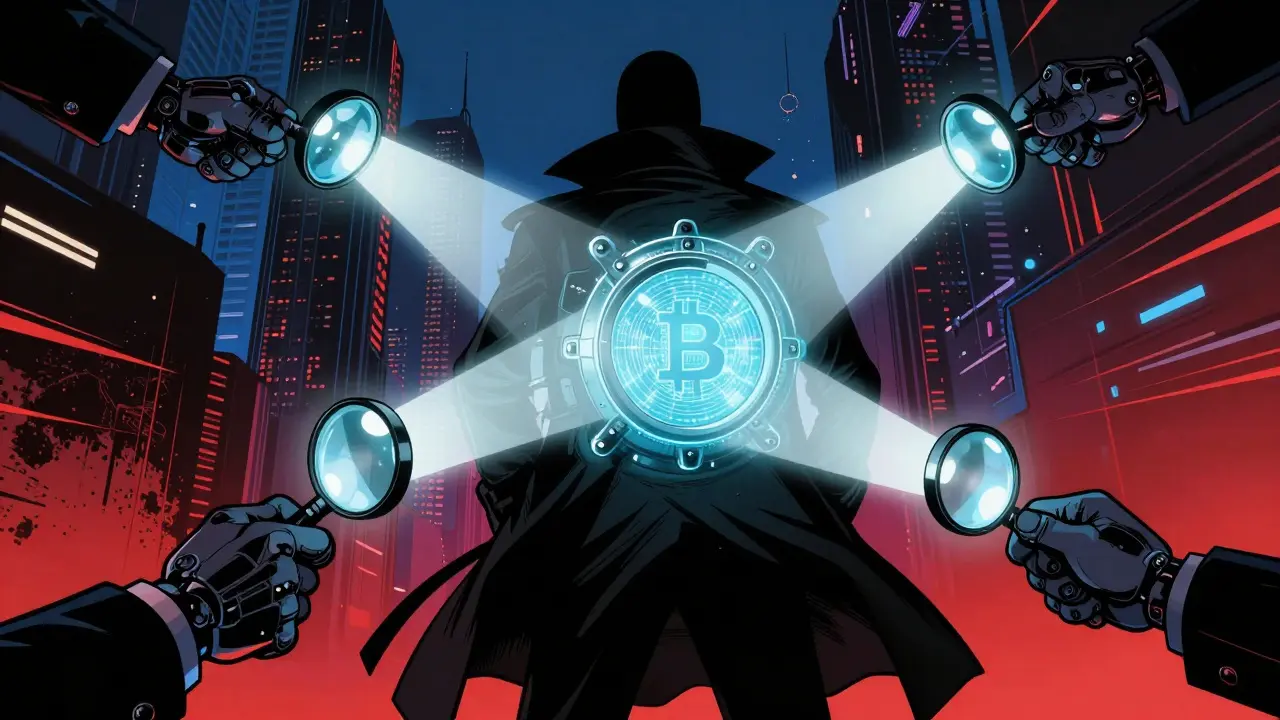
Offshore crypto accounts face rising detection risks due to blockchain analysis and global regulations. Learn how authorities trace funds, the legal consequences of non-compliance, and why anonymity is no longer a safe strategy.

OGSMINEM (OGSM) is a high-risk Ethereum meme coin with no utility, created for Sminem NFT holders. Learn about its tokenomics, extreme volatility, and why experts advise caution.
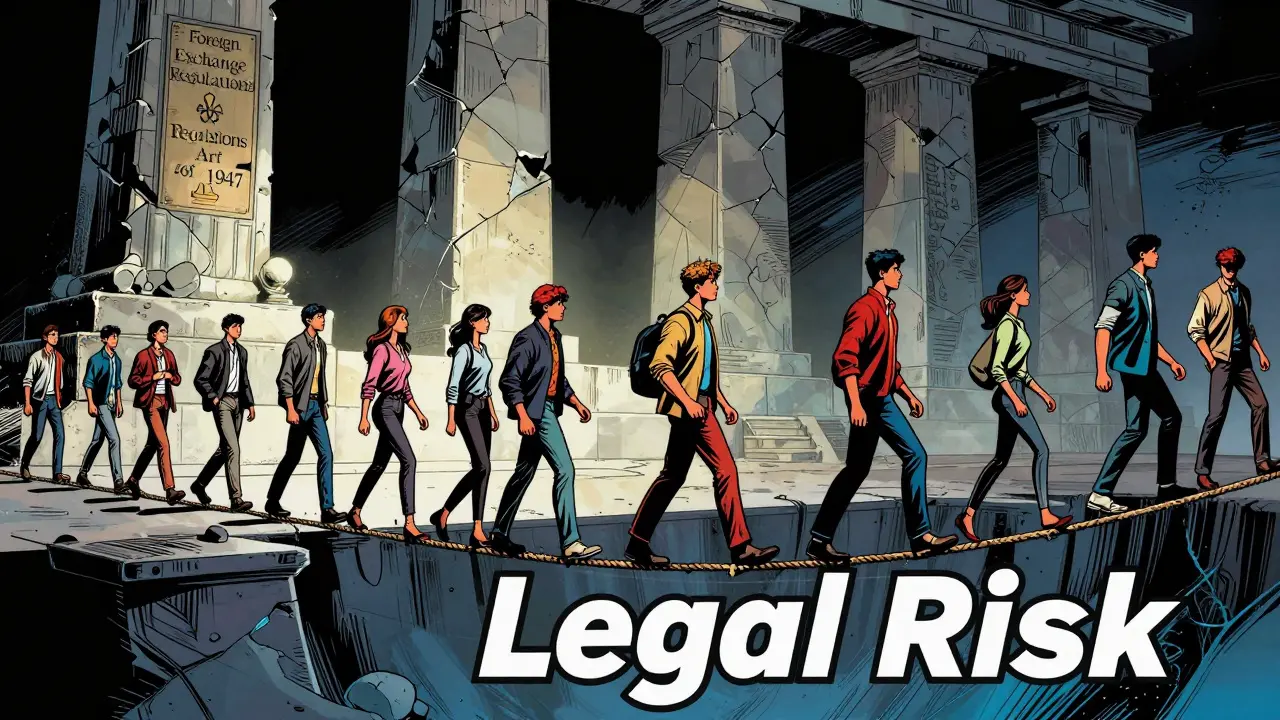
Explore the complex legality of cryptocurrency in Bangladesh. We analyze the Foreign Exchange Regulations Act, Bangladesh Bank's bans, and the reality of underground trading.

A detailed 2026 review of Bybit crypto exchange covering fees, security proof of reserves, leverage trading, and regulatory status. Find out if Bybit is right for your trading strategy.
Explore the evolving environmental impact of NFT art. From the high-carbon days of Proof-of-Work to the eco-friendly shift of Proof-of-Stake, discover how blockchain technology is becoming sustainable.
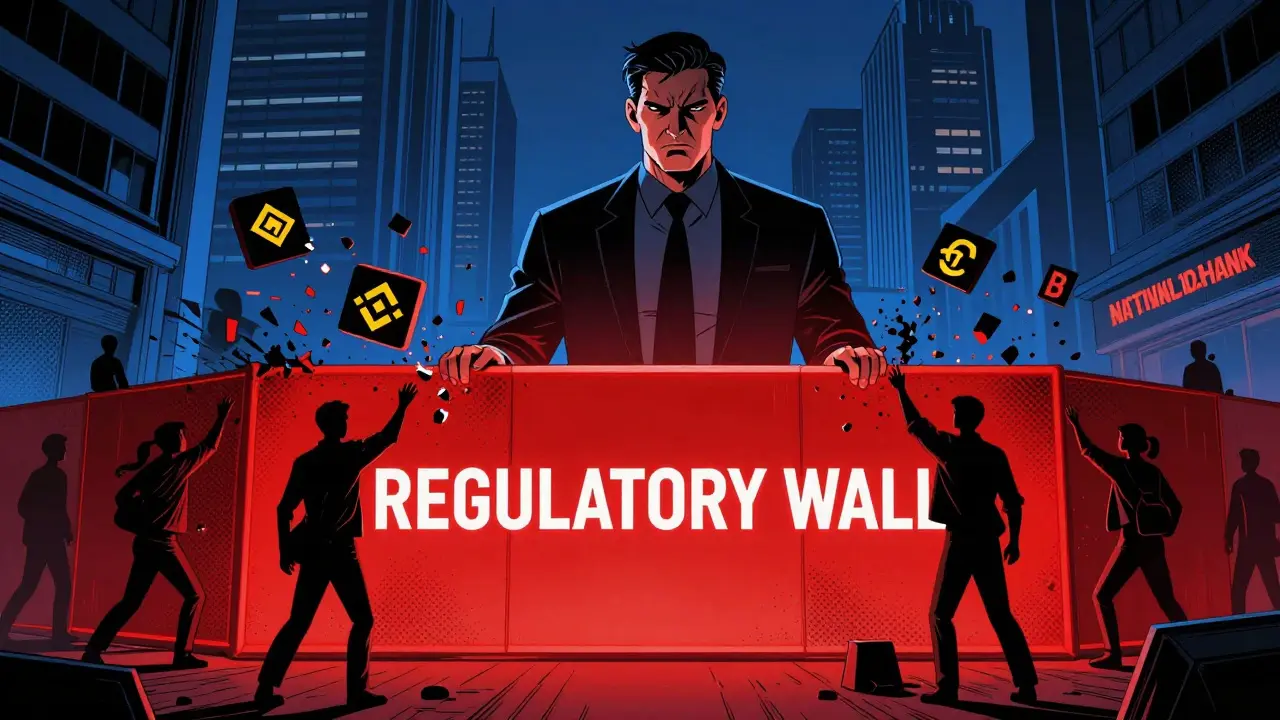
The National Bank of Cambodia didn't ban crypto entirely-it blocked unlicensed exchanges and launched strict rules. Learn what's legal, how banks handle crypto, and which platforms you can use safely.

Explore the details of the rumored ETHPAD Grand Airdrop. Learn how to verify legitimacy, avoid scams, and prepare your wallet for potential eligibility in 2026.

Explore Mindfak by Matt Furie, the controversial anti-scam meme coin on Ethereum. Learn about its unique tokenomics, risks, and whether this satirical crypto project is worth your attention.
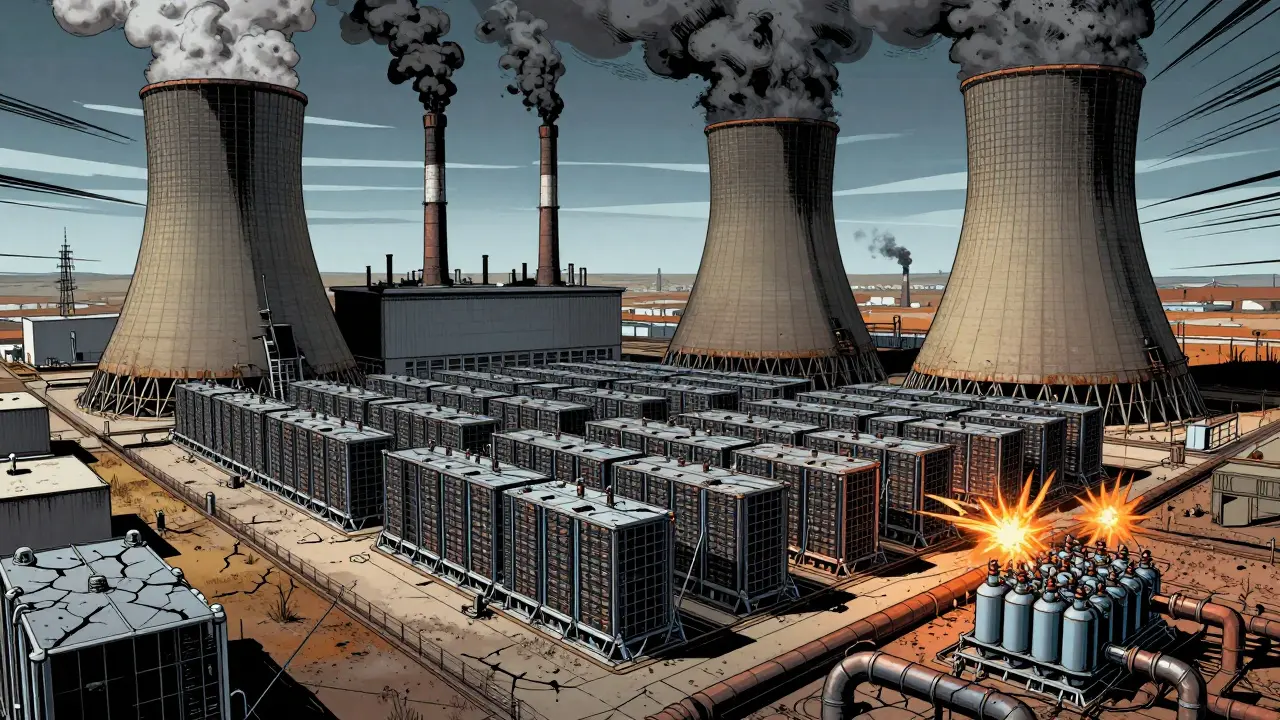
Discover why major Bitcoin miners are leaving Kazakhstan in 2025. From grid blackouts to new 70/30 energy rules, explore the hash rate migration to the US and what it means for crypto investors.