
Discover which countries tax crypto the most and least in 2026, how residency rules affect your tax bill, and what trades trigger taxable events - with clear, real-world examples.
BitKan offers 960+ cryptocurrencies and advanced trading bots, but its lack of regulation and low user ratings raise serious safety concerns. Learn if it's worth the risk in 2026.

The Shield DAO SLD airdrop in 2021 rewarded early testnet users and bug hunters with tokens, not marketing hype. Learn how it worked, why it mattered, and why the SLD token has no value today.

Litecoin is faster and cheaper than Bitcoin for everyday payments, with lower fees and quicker confirmations. Bitcoin is better for holding value, while Litecoin excels as digital cash for real-world transactions.
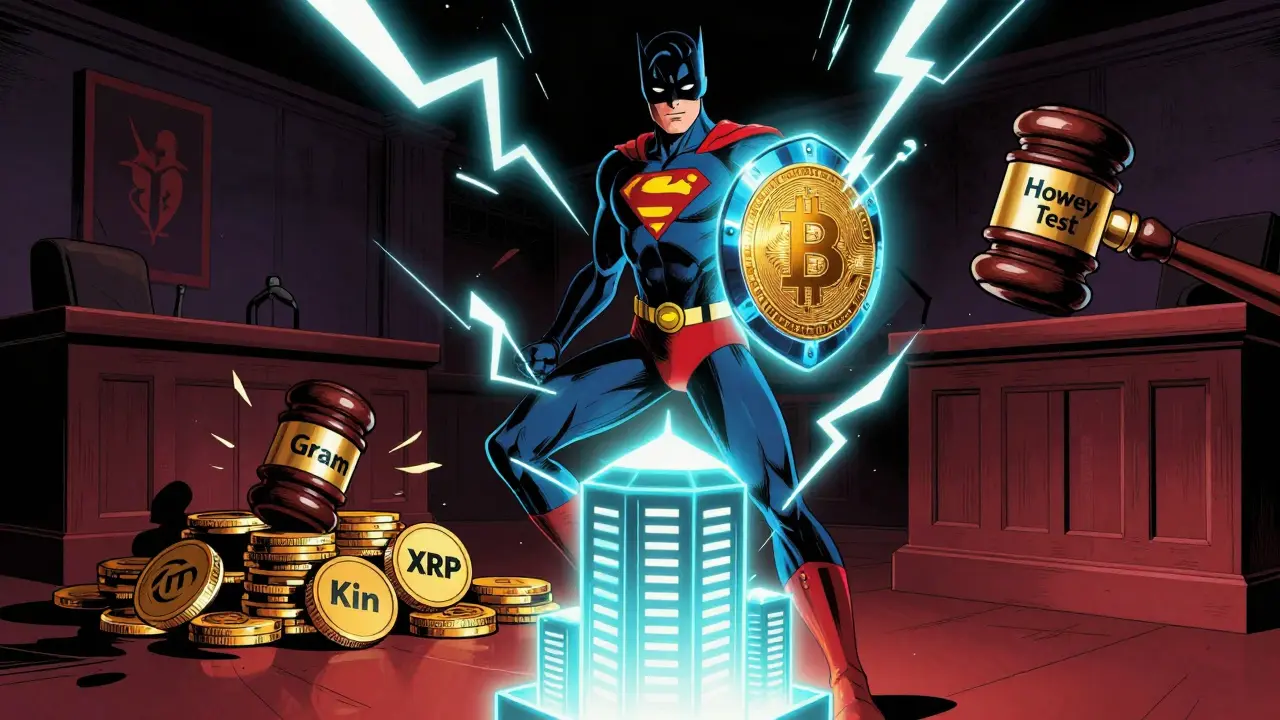
Not all cryptocurrencies are securities. The SEC uses the Howey Test to decide based on how tokens are sold and whether buyers expect profits from others' efforts. Bitcoin and Ethereum are commodities; most new tokens are not.
MultiSig wallets require multiple signatures to move crypto, eliminating single points of failure. Learn the best platforms like Safe Wallet and Blue Wallet Vault, how they work, and why they're essential for secure crypto holdings in 2026.

BORGY is a Solana-based meme coin built around a dog story and animated content, not utility. With low liquidity and high slippage, it's more about community hype than investment potential.

JediSwap is a low-fee decentralized exchange on StarkNet offering near-zero gas costs for Ethereum traders. Perfect for advanced users, but too limited for beginners. Learn its pros, cons, and whether it's worth using in 2026.
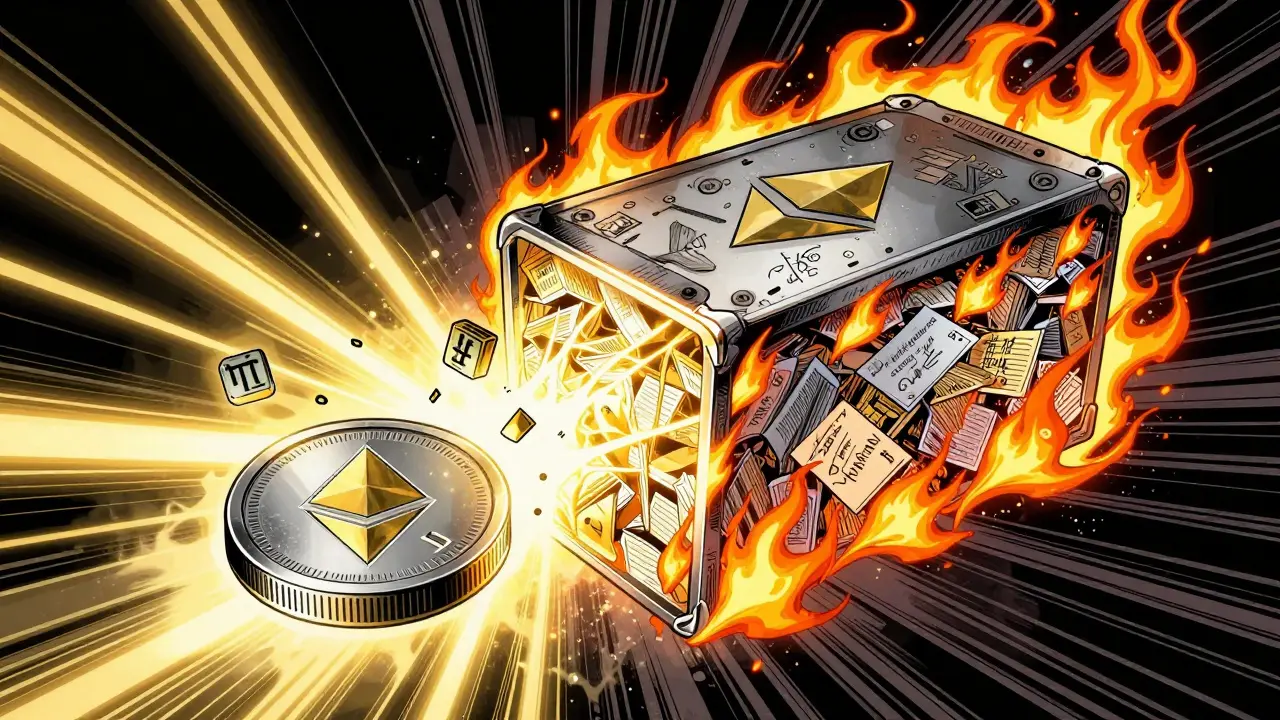
Block headers secure the blockchain with cryptographic links, while block bodies store transactions. Understanding this split is key to grasping how blockchains stay tamper-proof and scalable.
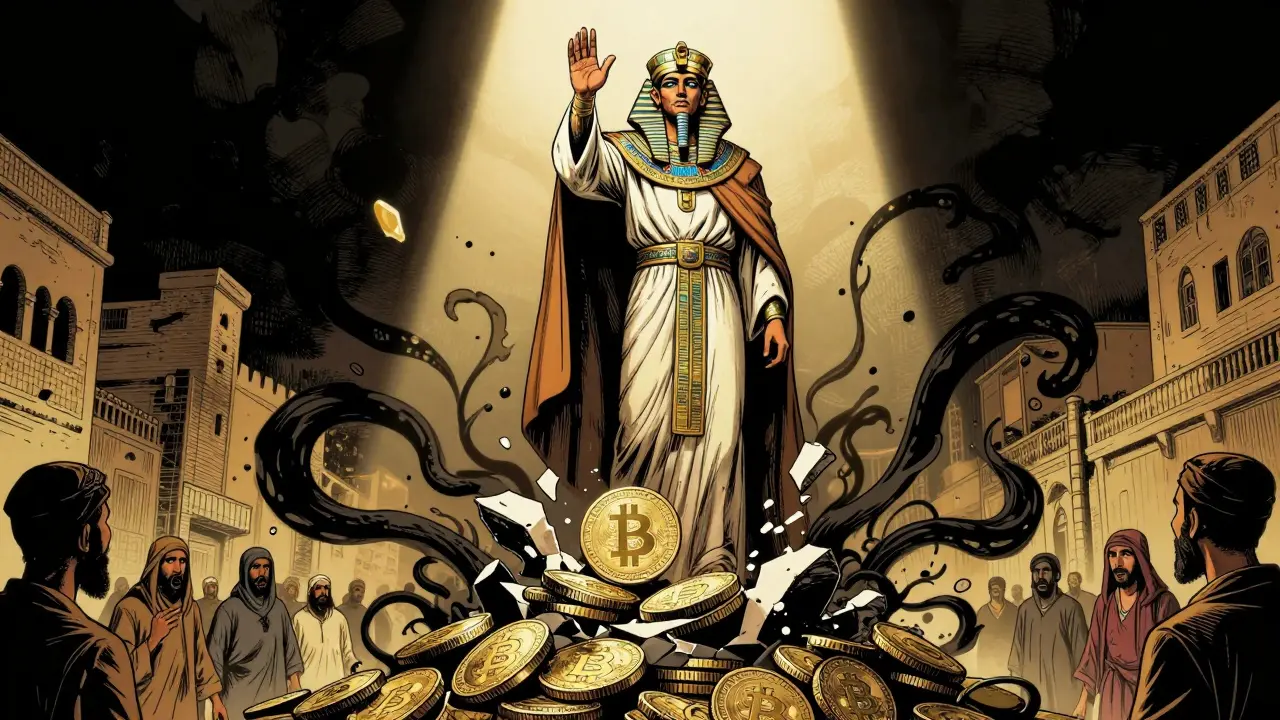
In 2017, Egypt's Grand Mufti declared Bitcoin haram under Islamic law, banning all crypto transactions. This fatwa shaped how millions of Muslims view digital currencies, creating a strict divide between religious prohibition and emerging Sharia-compliant crypto solutions.
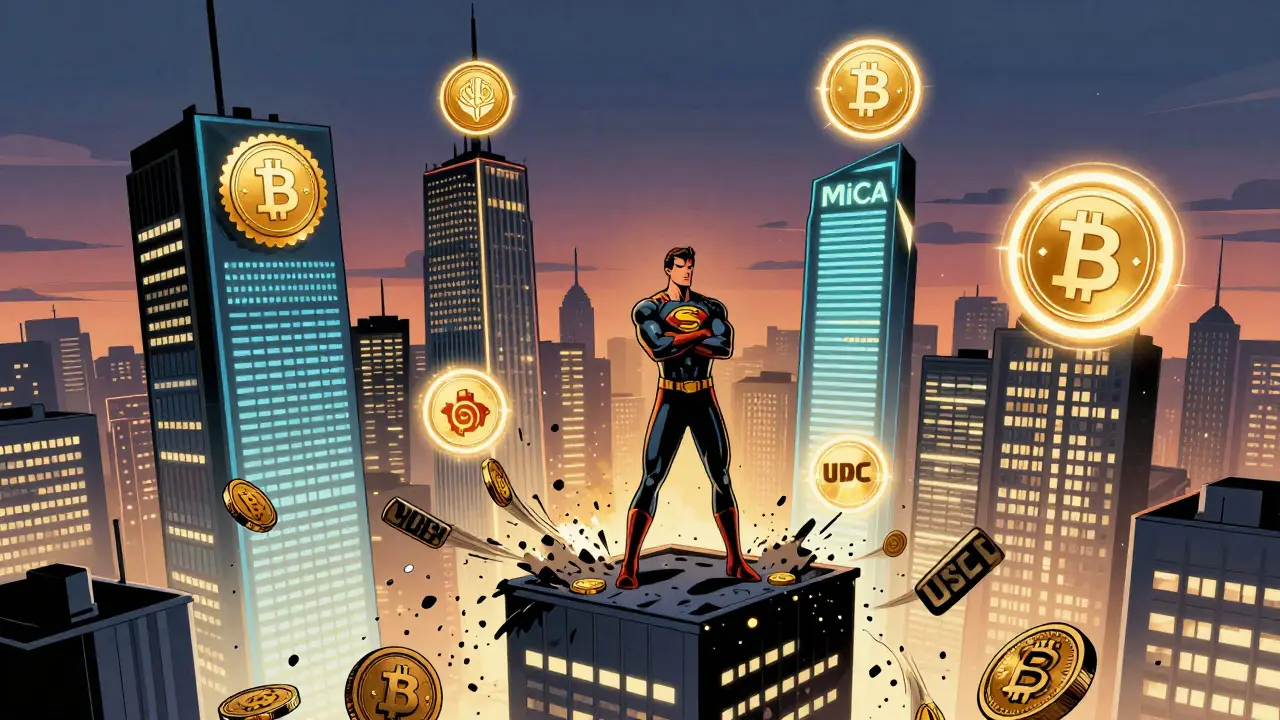
The MiCA crypto regulation took full effect on December 30, 2024, forcing exchanges and stablecoin issuers in the EU to get licensed or shut down. Here’s what changed for users, platforms, and the global crypto market.
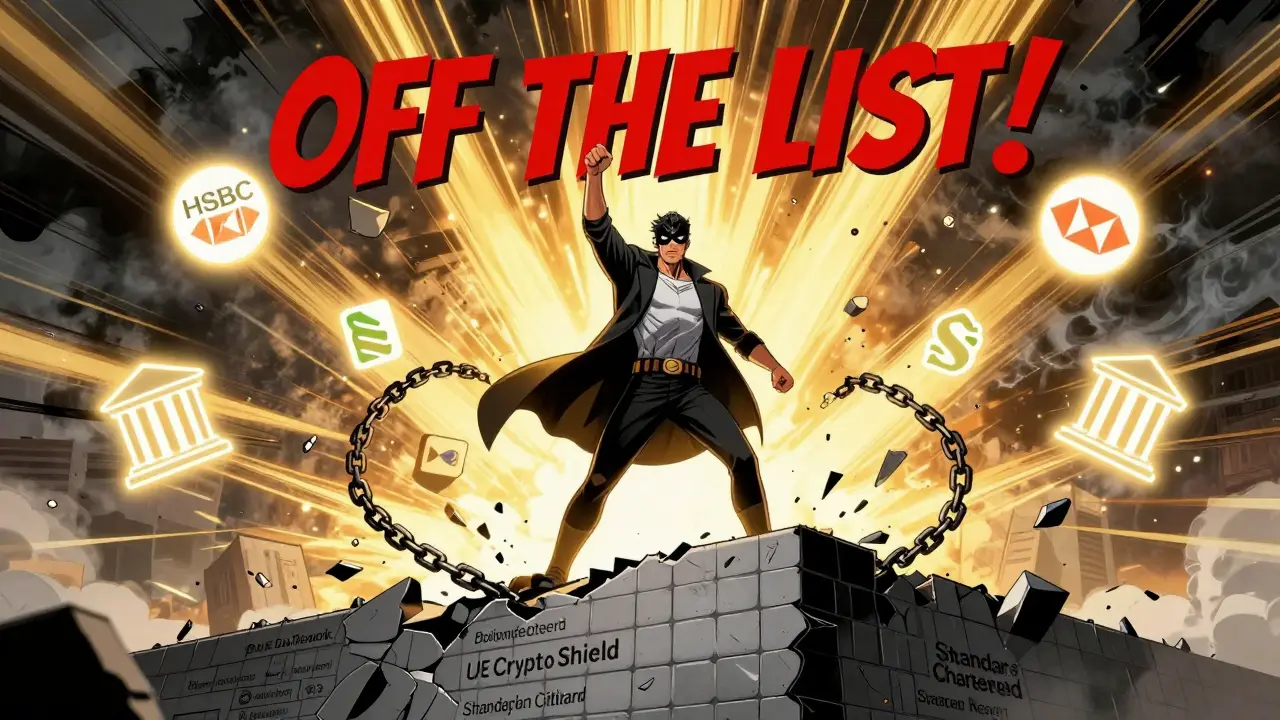
The UAE's removal from the FATF grey list in 2024 has transformed its crypto landscape. Banks are reopening doors, investors are returning, and exchanges are thriving under clear, enforceable rules. This isn't just a win for the UAE-it's a global signal that compliance pays off.