
When you hear Finance, the system of managing money, investments, and assets across traditional and digital markets, financial sector you probably think of stocks, loans, or maybe even your paycheck. But today Finance also covers the fast‑moving world of digital assets, where blockchain tech and crypto tokens play a big role. In simple terms, Finance encompasses both classic banking and the newer crypto economy, giving you a single lens to view how value moves around the globe.
One of the biggest pieces of this puzzle is Cryptocurrency, a type of digital money that uses cryptography to secure transactions and control creation of new units. Cryptocurrency requires Blockchain, a decentralized ledger that records every transaction in a transparent, tamper‑proof way. Together they create a new financial layer that lets anyone send value without a bank. This relationship means that understanding blockchain basics is a must if you want to grasp how crypto fits into the broader Finance landscape.
Another key player is Crypto Exchanges, online platforms where users can buy, sell, or trade digital assets. Regulations influence crypto exchanges by setting licensing rules, fee structures, and security standards. In regions like Indonesia, Thailand, and the UAE, crypto licensing requirements have become a major factor for anyone looking to launch or use an exchange. This regulatory pressure pushes exchanges to improve security and transparency, which in turn affects how investors trust the whole Finance ecosystem.
Metrics such as Market Capitalization, the total value of all coins of a cryptocurrency, calculated by multiplying price by circulating supply guide investment decisions. A high market cap often signals a more established asset, while a low cap can indicate higher risk and potential reward. Knowing how to read market cap helps you decide whether a crypto fits your risk tolerance, a core step in any Finance strategy.
Lastly, strategies like Dollar Cost Averaging (DCA, a method of investing a fixed amount regularly regardless of price) support long‑term Finance goals by smoothing out price volatility. Whether you’re piling into Bitcoin, a low‑cap token, or a traditional stock, DCA lets you stay disciplined and avoid emotional trading.
All these pieces—cryptocurrency, blockchain, exchanges, regulations, market cap, and DCA—interlock to form the modern Finance picture. Below you’ll find a curated collection of articles that dig deeper into each area, from market‑cap basics to exchange licensing in Indonesia and the UAE. Use them to sharpen your knowledge, spot opportunities, and build a smarter financial plan.
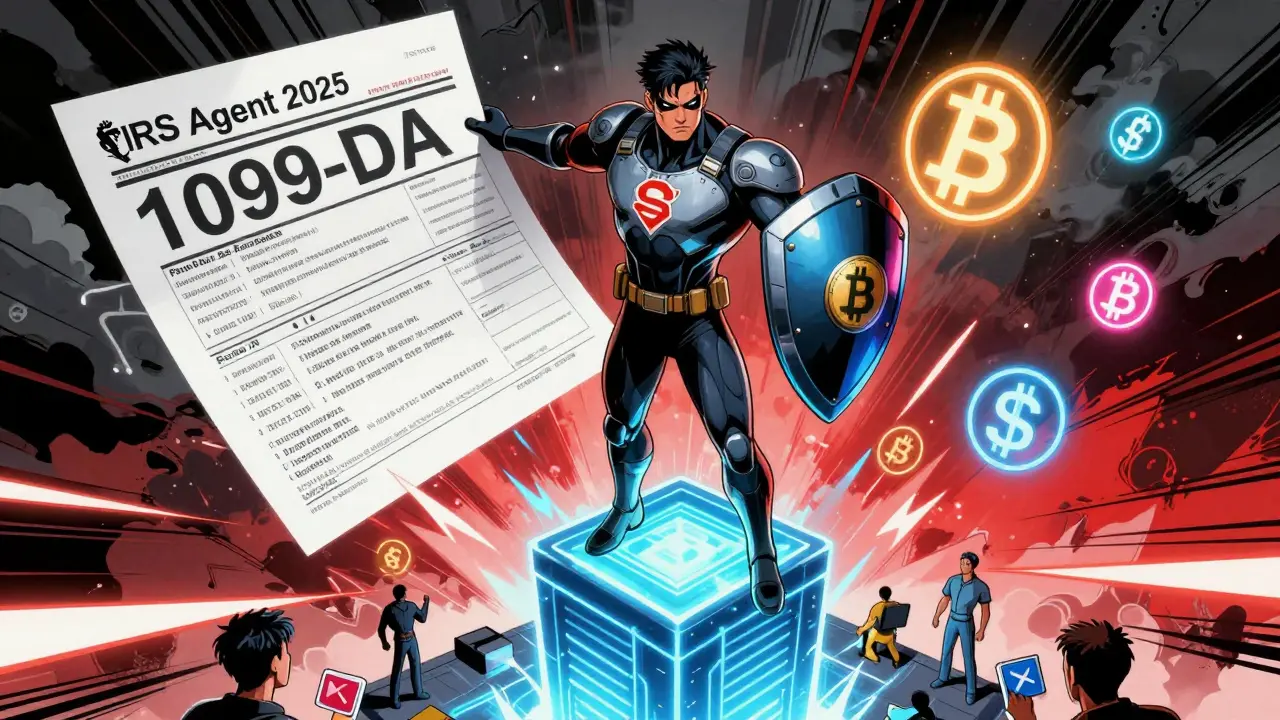
Cryptocurrency tax rules in 2025 require reporting every transaction, even small ones. Form 1099-DA now tracks sales and cost basis, and the IRS is aggressively enforcing compliance with audits and blockchain data. Ignoring crypto taxes can lead to heavy penalties.
The IRS treats Bitcoin as property, not currency, meaning every trade, spend, or sale triggers a taxable event. Learn how capital gains, FIFO rules, hard forks, and record-keeping impact your tax bill - and why ignoring this can lead to audits or penalties.
DSX Crypto Exchange was a London-based platform that shut down in 2021 after failing to adapt to market demands. Learn why it failed, what happened to user funds, and where to go now.

SteakBank Finance (SBF) claims to offer a liquid staking solution on BSC, but there is no confirmed airdrop. With zero circulating tokens and no official details, any airdrop claims are likely scams. Wait for verified updates before engaging.

Colombia has no crypto laws - but millions use Bitcoin and Ethereum anyway. Learn how crypto works legally, tax rules, exchange risks, and what’s coming next in 2026.

Bybit uses geofencing to block U.S. and other restricted users from accessing its crypto trading platform. While many traders bypass this with VPNs, the system is easy to circumvent and carries serious risks including account freezes and fund loss.
dYdX claims to be a decentralized crypto exchange but blocks users from over 20 countries, including the U.S. and U.K. This article explains how its corporate structure and geo-restrictions contradict decentralization-and what it means for DeFi users.

Understanding vesting terms is critical when joining a blockchain startup. From cliffs and milestones to tax impacts and acquisition triggers, this guide breaks down how equity ownership really works-and what you need to watch out for.

Blockchain is bringing banking to 1.7 billion unbanked people through digital wallets, smart contracts, and DeFi - no bank account needed. Real examples from Kenya, Nigeria, and the Philippines show how it’s changing lives.
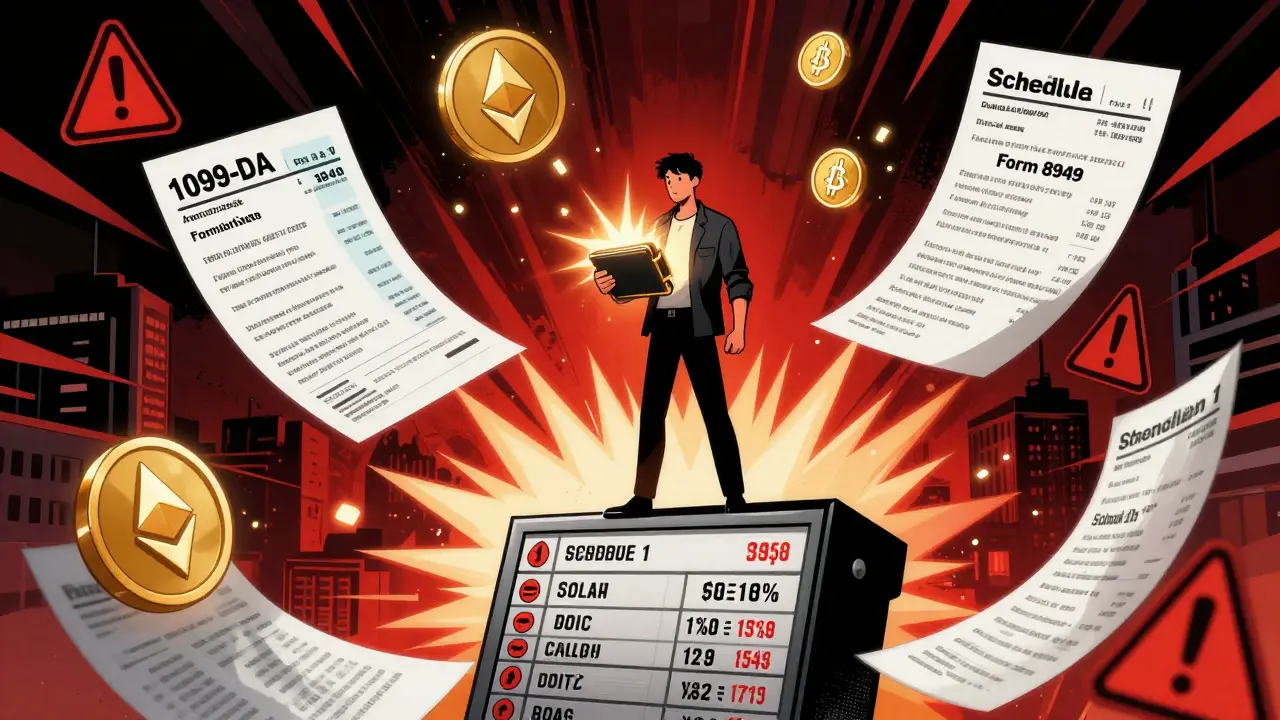
DeFi tax reporting requirements in 2026 leave you responsible for tracking every trade, staking reward, and liquidity pool transaction. No 1099-DA? Still owe taxes. Here’s what you must do to avoid penalties.
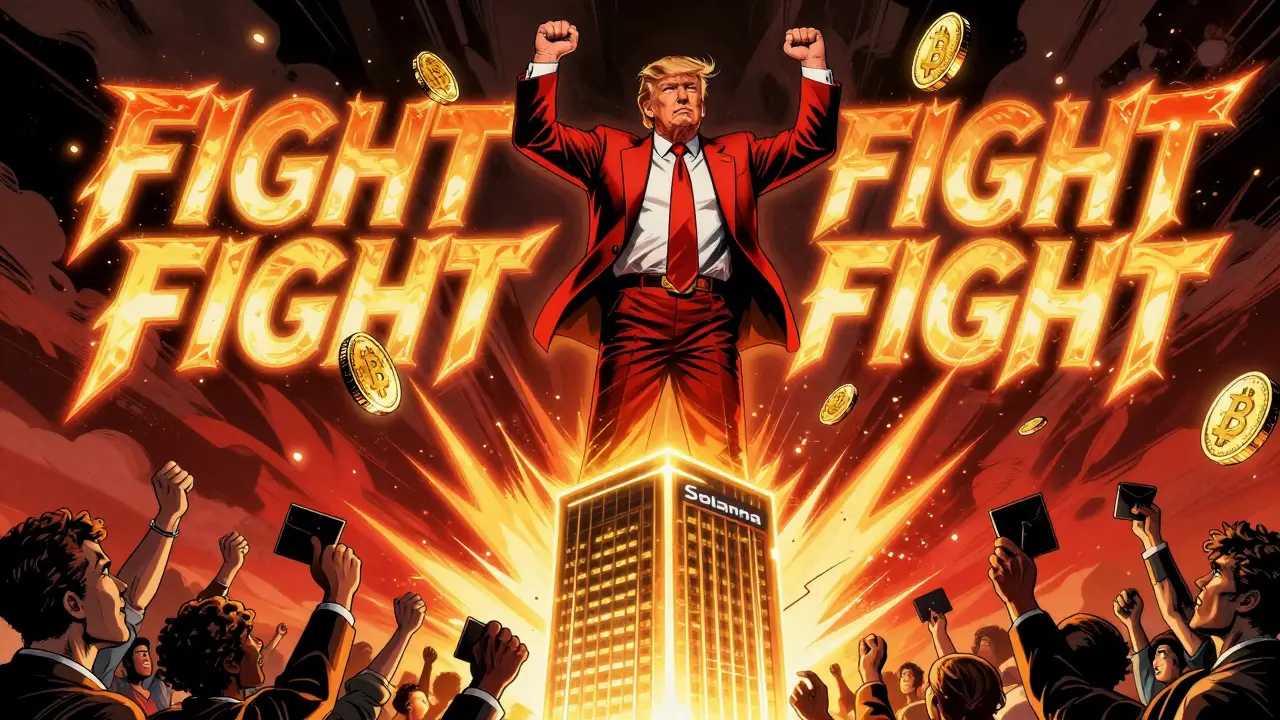
The TRUMP crypto coin, launched in January 2025, became the first official meme coin tied to a sitting U.S. president. With a peak valuation of $80 billion, it turned supporters into millionaires and sparked global debate over politics, wealth, and digital assets.

The ByteNext BNU airdrop gave 25 tokens to 1,000 users in 2025, but the project collapsed. The token is now worthless, with zero trading volume and no active platform. Learn what went wrong and what to do if you still hold BNU.