
When Ethereum EIP-1559, a core upgrade to Ethereum’s transaction fee structure that introduced a base fee that gets burned and a tip for miners. Also known as the Ethereum fee market upgrade, it didn’t just tweak fees—it rewrote how ETH circulates and who benefits from network activity. Before EIP-1559, users were stuck guessing how much to pay to get their transaction confirmed. During busy times, fees could spike 10x overnight. After EIP-1559 launched in August 2021, fees became more predictable, and for the first time, Ethereum started destroying ETH with every transaction.
The upgrade split fees into two parts: the base fee, a dynamic fee set by the network that gets automatically burned, and the priority fee, a tip users can add to encourage faster processing. The base fee adjusts up or down based on block congestion—it rises when blocks are full and drops when they’re empty. This keeps block size stable and stops the wild fee spikes of the past. And here’s the big twist: that base fee doesn’t go to miners. It’s permanently removed from circulation. Since its launch, over 5 million ETH have been burned—equivalent to more than $10 billion at today’s prices. That makes EIP-1559 not just a fee fix, but a deflationary force.
Miners lost a chunk of their income, but they still get the priority fee. Most users didn’t notice the change at first, but over time, they saw fewer failed transactions and clearer fee estimates in wallets. The burn mechanism also gave ETH holders a new reason to believe in scarcity. Unlike Bitcoin, which has a fixed supply, Ethereum’s supply can shrink if usage stays high. That’s why EIP-1559 is often called the first step toward making ETH a deflationary asset.
Below, you’ll find real-world breakdowns of how EIP-1559 affects tokenomics, exchange behavior, and even how new blockchain projects design their own fee systems. Some posts look at how EIP-1559’s burn model inspired other chains. Others expose scams pretending to be "EIP-1559 airdrops" or fake ETH burning tools. There’s no fluff here—just facts on what changed, what didn’t, and what you need to know if you’re holding, trading, or building on Ethereum.
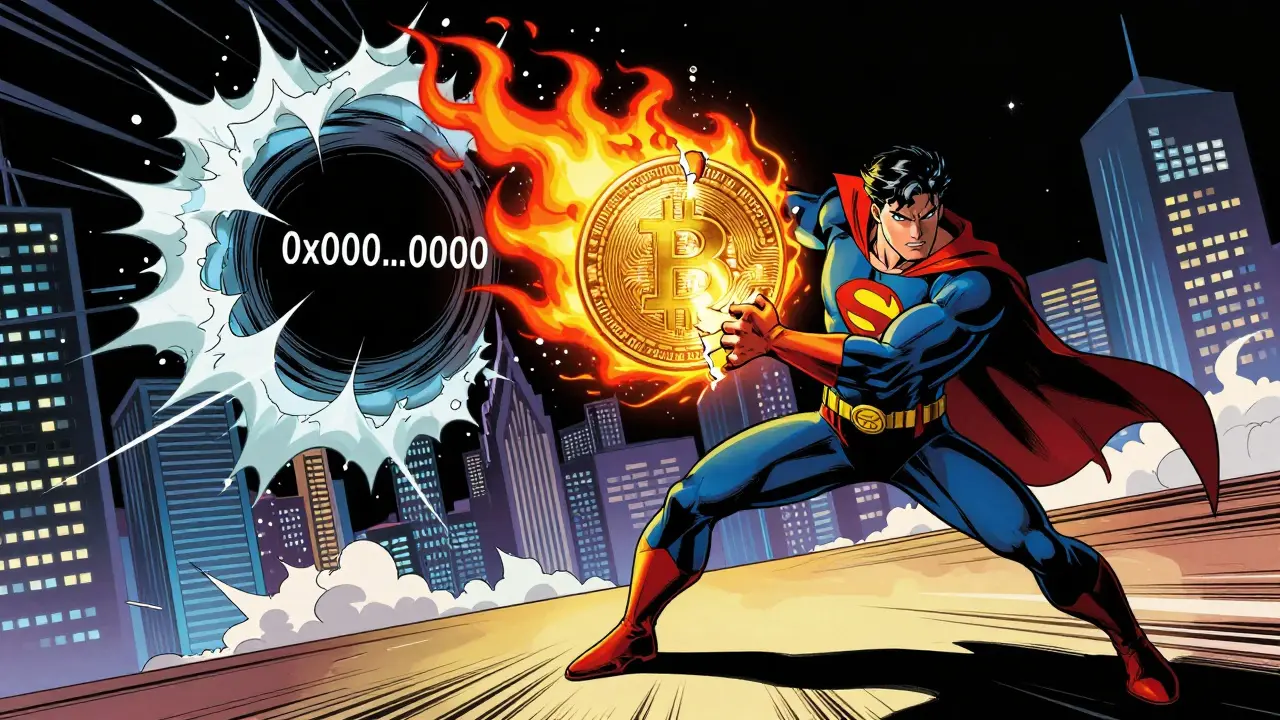
Token burning removes cryptocurrency from circulation to reduce supply and potentially increase value. Learn how it works, the main types like BNB and EIP-1559 burns, why some succeed while others fail, and how to implement one safely.
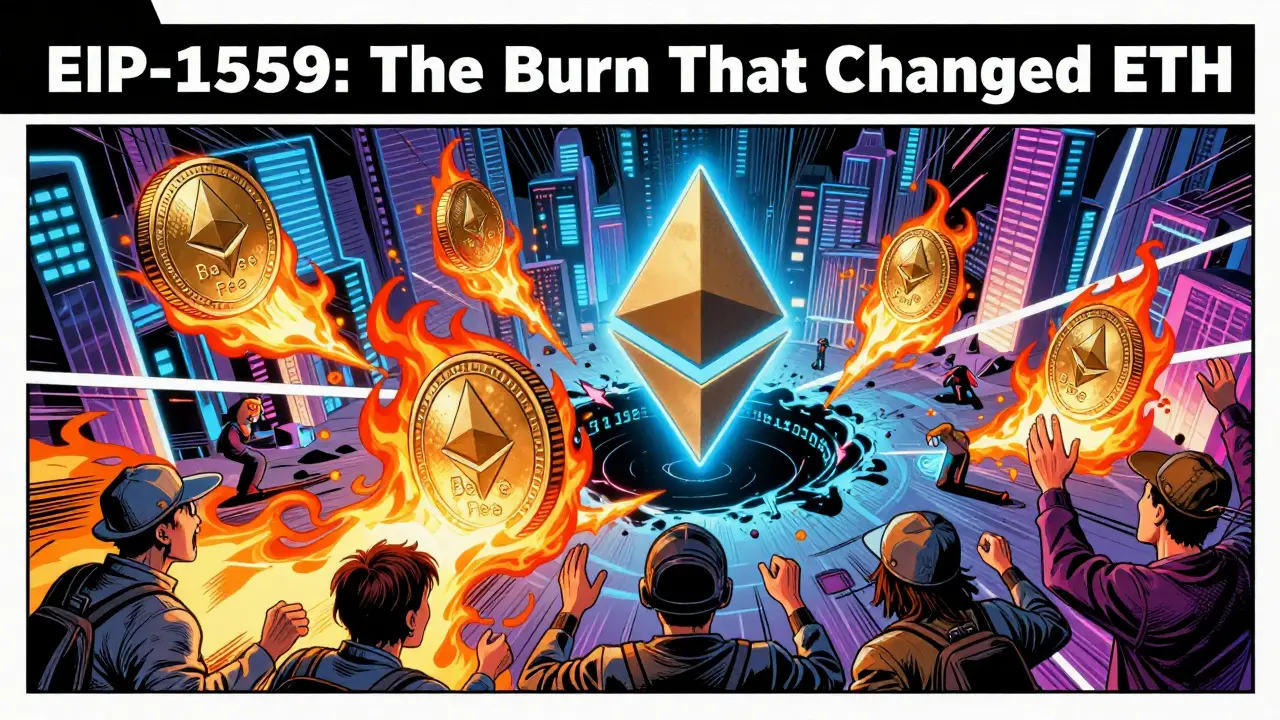
EIP-1559 revolutionized Ethereum's fee system by burning base fees, reducing supply pressure, and making transactions predictable. Over 2.5 million ETH have been burned since 2021, turning ETH into a deflationary asset during high usage.