
EIP-1559 Fee Burning Calculator
How This Calculator Works
This calculator shows how many ETH would be burned by EIP-1559 based on transaction volume and network conditions. The base fee (burned) is the main component, while the priority fee (tip) goes to validators.
Current daily ETH issuance (stake rewards): 1,600 ETH/day
Results
Total base fee burned:
Total priority fee paid:
Total transaction cost:
Daily ETH issuance: 1,600 ETH
Based on your inputs, of the daily ETH issuance (1,600 ETH) is being burned.
Important: This is a simplified model. Actual network conditions may vary based on block size, gas usage, and network congestion.
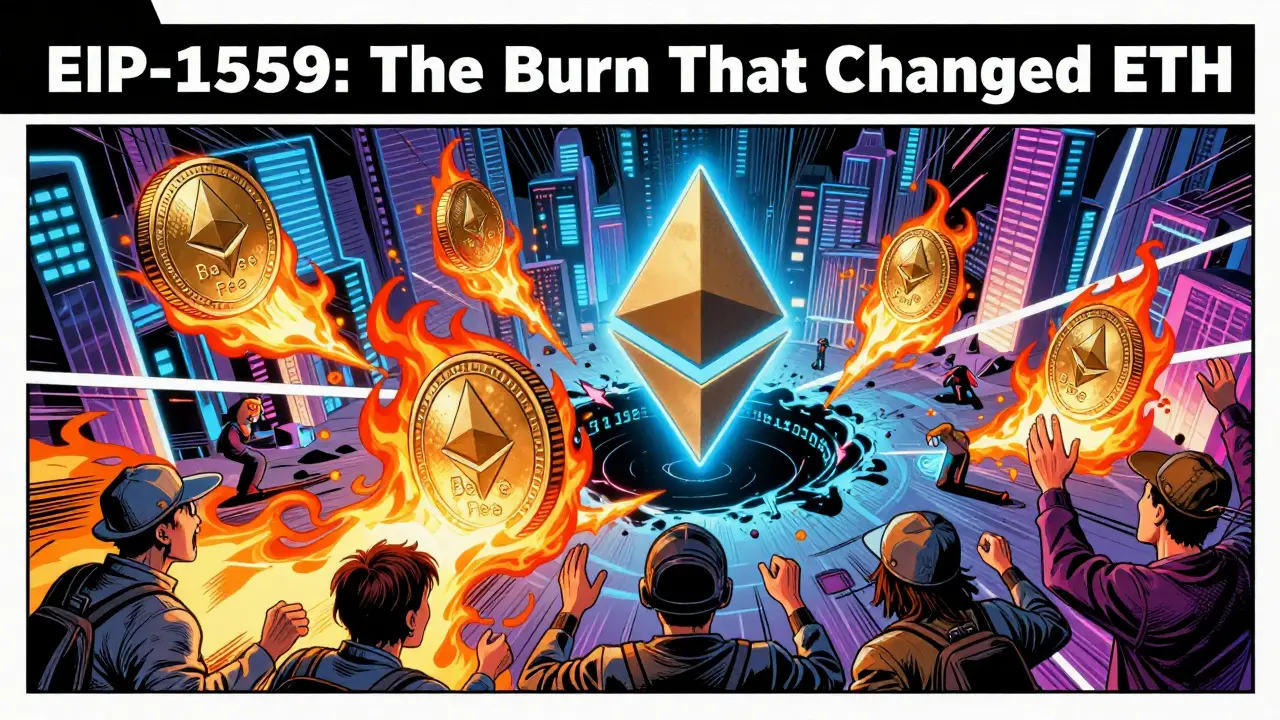
Before EIP-1559, sending a transaction on Ethereum felt like bidding in an auction you didn’t fully understand. You’d set a gas price, hope it was high enough, and watch as your transaction sat in limbo for hours-or got stuck forever because you underbid. Then, in August 2021, Ethereum changed everything. With the London hard fork, EIP-1559 rolled out and turned the old fee system upside down. The biggest shift? Ethereum EIP-1559 fee burning. Instead of miners pocketing all your fees, a big chunk of them gets destroyed. Forever.
How EIP-1559 Changed the Fee Game
EIP-1559 didn’t just tweak the fee system-it rebuilt it. Before, every transaction paid a single fee based on what users were willing to bid. If the network was busy, fees spiked. If it was quiet, they dropped. There was no predictability. Wallets had to guess what fee to use, and users often paid way more than needed. EIP-1559 replaced that with two fees: a base fee and a priority fee (also called a tip). The base fee is set automatically by the network. It goes up when blocks are full and drops when they’re not. It’s calculated using a simple rule: if a block uses more than 15 million gas, the base fee rises by up to 12.5%. If it uses less, it drops by the same amount. This keeps the network balanced without users having to guess. Here’s the key part: the base fee is burned. Not given to miners. Not sent to a treasury. It’s erased from circulation. That’s the fee burning. The only part that goes to miners is the priority fee-the extra tip you add to get your transaction included faster. For example: if the base fee is 100 gwei and you add a 10 gwei tip, your total fee is 110 gwei. But only 10 gwei goes to the miner. The other 100 gwei? Gone. Burned. That’s the new economics of Ethereum.Why Burning Fees Matters
Burning the base fee isn’t just a technical detail-it’s an economic revolution. Ethereum used to have a fixed supply of 120 million ETH (at launch), and new ETH was issued as block rewards. Miners got paid in ETH, so the supply kept growing. EIP-1559 flipped that. Now, when you send a transaction, you’re not just paying for service-you’re helping reduce the total supply of ETH. Since August 2021, over 2.5 million ETH have been burned. That’s more than $8 billion worth of ETH erased from circulation at today’s prices. During peak congestion in 2022, over 1,500 ETH were burned in a single day. That’s not a trickle-it’s a flood. And it’s not random. It scales with usage. The busier Ethereum gets, the more ETH gets burned. This turns ETH into a deflationary asset under high demand. If the network is active enough, more ETH is burned than is issued as staking rewards. That means the total supply shrinks. For holders, that’s a powerful incentive. It’s not speculation-it’s math. Every time you use DeFi, swap tokens, or mint an NFT, you’re contributing to ETH’s scarcity.How the Fee Structure Works in Practice
EIP-1559 introduced new parameters for transactions: maxFeePerGas and maxPriorityFeePerGas. You don’t need to understand the names, but you do need to know what they do. - maxFeePerGas: The most you’re willing to pay per unit of gas. This includes both the base fee and your tip. - maxPriorityFeePerGas: The extra tip you offer miners to jump the line. Here’s how it plays out: 1. The network sets the base fee (say, 120 gwei). 2. You set your max fee at 150 gwei and your tip at 15 gwei. 3. The base fee (120 gwei) is burned. 4. Your tip (15 gwei) goes to the miner. 5. The leftover 15 gwei (150 - 120 - 15) is refunded to you. That refund is huge. Before EIP-1559, if you overpaid, you lost that money. Now, you get it back. Wallets like MetaMask now auto-fill these values based on recent blocks, so most users don’t even think about it.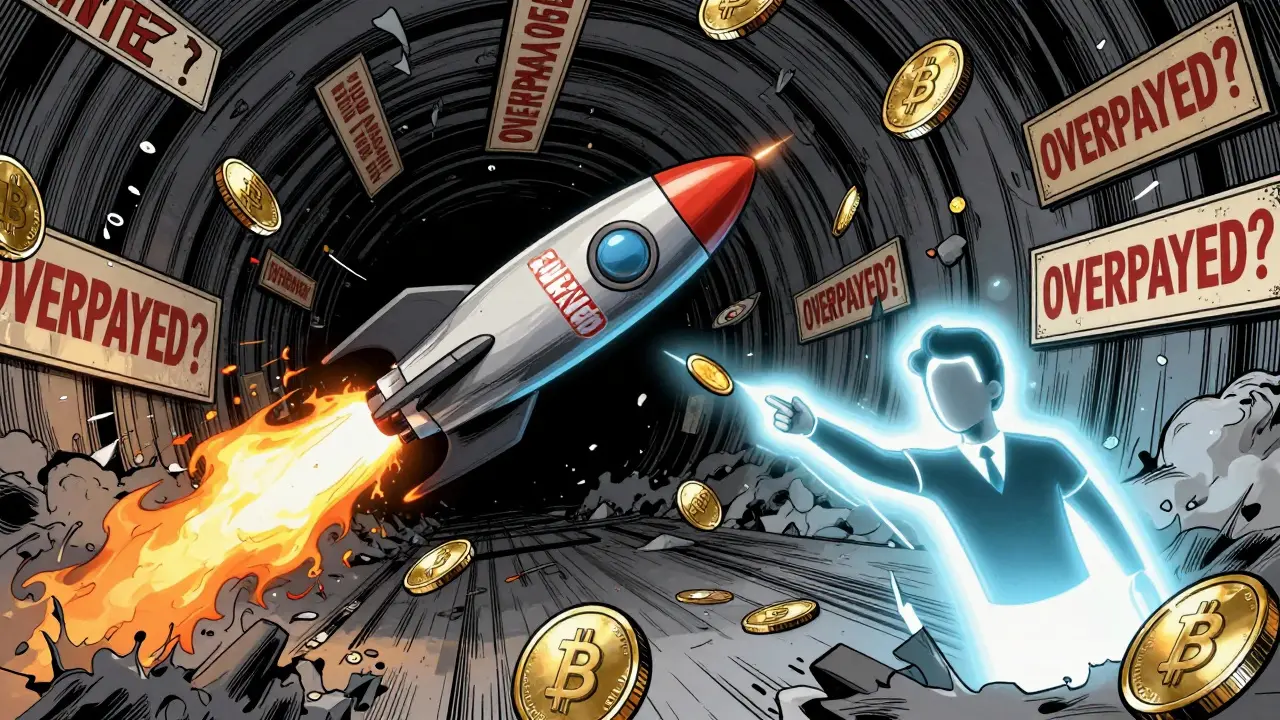
What EIP-1559 Fixed (and What It Didn’t)
EIP-1559 solved three big problems: 1. Unpredictable fees - No more guessing. The base fee adjusts smoothly. 2. Failed transactions - Before, underpaid transactions sat forever. Now, if your max fee is too low, your transaction fails fast and you get your ETH back. 3. Wallet confusion - Wallets now show a clear estimate: “Estimated fee: 110 gwei (100 base + 10 tip).” No more mystery. Liquity’s data shows transaction success rates jumped 18% after EIP-1559. Consensys reported a 37% drop in user support tickets about gas fees. People stopped calling help desks because their transactions just worked. But it’s not perfect. During extreme congestion-like when a new NFT drops or a DeFi protocol explodes-the base fee can’t rise fast enough. The 12.5% cap per block means it takes about 20 blocks (5 minutes) for fees to multiply tenfold. That’s fine for normal use, but during a rush, users still end up paying high tips. The system smooths volatility, but it doesn’t eliminate it.Impact on Miners and the Network
Miners didn’t get a raise with EIP-1559-they got a pay cut. Before, they kept all fees. Now, they only get tips. That’s a big deal. In the early days, miner revenue dropped by 30-40% on average. Some miners pushed back, arguing it hurt their income stability. But Ethereum moved on. With the Merge in September 2022, proof-of-work ended. Miners disappeared. Validators now earn rewards from staking, not fees. So the fee burn doesn’t hurt miners anymore-it helps the whole network. The real winners? ETH holders. And the ecosystem. DeFi protocols like Uniswap saw a 29% drop in failed transactions. That means fewer users losing money on gas mistakes. Fewer complaints. More trust.How Other Blockchains Reacted
EIP-1559 didn’t stay on Ethereum. It became a blueprint. Polygon adopted a version called EIP-1559++, which burns fees but also sends a small portion to a treasury for development. BNB Chain and Arbitrum now burn base fees too. Even Solana and Avalanche have tweaked their fee models to mimic the burn. Why? Because it works. Users like predictable fees. Investors like deflation. Developers like fewer failed transactions. It’s a win-win-win. The only chain that didn’t adopt it? Ethereum Classic. They kept the old auction model. Their argument: miners need the fees to stay secure. But Ethereum proved you can shift incentives-burn fees to strengthen the asset, not just pay miners.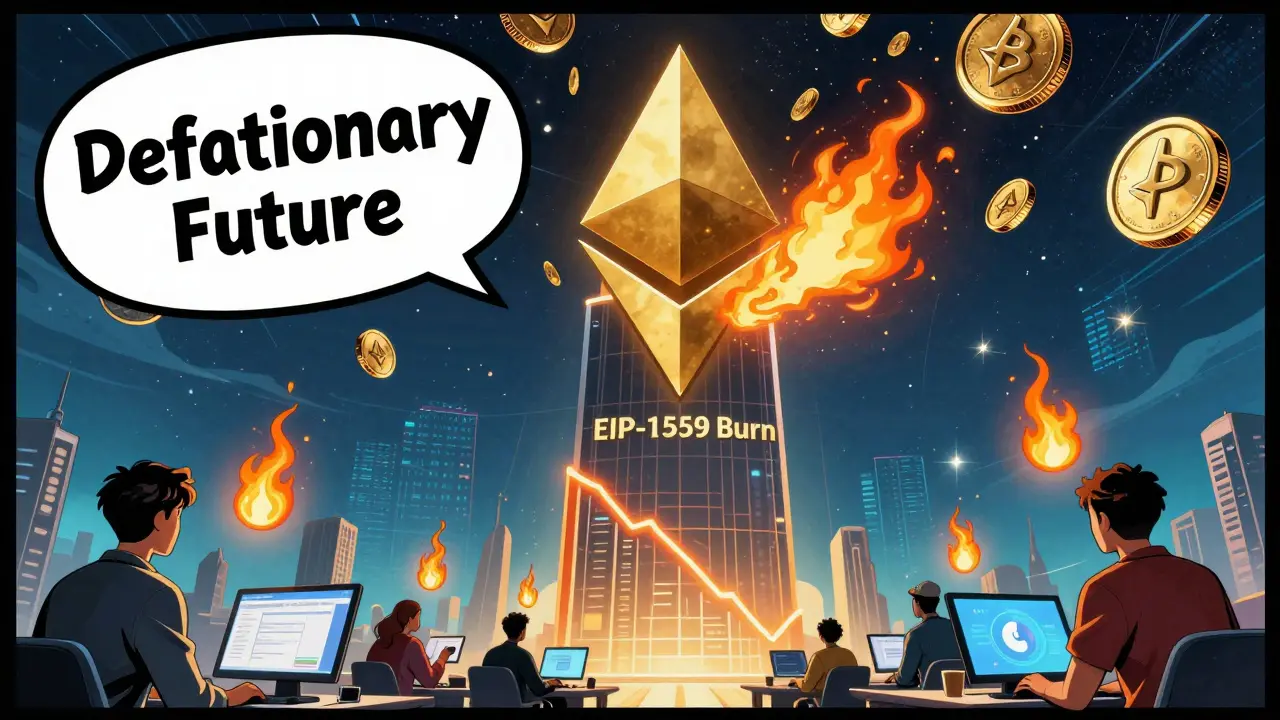
What’s Next for EIP-1559?
EIP-1559 isn’t done evolving. The next big change is EIP-4844 (Proto-Danksharding), coming in 2025. It will introduce a new type of transaction called “blob transactions,” which will have their own fee market. But guess what? Those fees will also be burned. That means Ethereum’s burn mechanism will scale with its capacity. More users. More data. More ETH burned. The system is designed to grow with demand. The IRS has even weighed in. In 2023, they ruled that burned ETH is not a taxable event. You don’t owe taxes when ETH is destroyed. That’s a big deal for compliance and adoption.Is ETH Becoming Deflationary?
Yes-and it’s already happening. Under normal usage, Ethereum issues about 1,600 ETH per day as staking rewards. But when network activity is high, it burns more than that. In 2022, ETH burned exceeded issuance for 147 days. In 2023, it happened again during DeFi surges. Delphi Digital’s models show Ethereum could burn 0.15-0.30% of its supply annually under current usage. That’s not massive-but it’s real. And it’s growing. As Layer 2s like zkSync and Optimism get more popular, their fees are also being burned. The total ETH burned across the entire Ethereum ecosystem is climbing. This isn’t a bug. It’s a feature. Ethereum’s value isn’t just in being a smart contract platform. It’s in being a scarce digital asset. And EIP-1559 made that possible.What You Need to Know as a User
You don’t need to do anything to benefit from EIP-1559. Your wallet handles it. But here’s what you should understand: - If your transaction fails, it’s because your max fee was too low. Not because you’re bad at crypto. - You’re not overpaying anymore. You get refunds. - The fee you see in your wallet is the total you’ll pay-not a guess. - ETH is slowly becoming scarcer every time you use the network. You’re not just transacting. You’re participating in a monetary experiment-one that’s already changing how digital money works.What happens to the burned ETH?
The burned ETH is permanently removed from circulation. It’s not sent to any address, wallet, or treasury. It’s erased from the Ethereum ledger. No one can recover it. This reduces the total supply of ETH over time.
Does EIP-1559 make Ethereum transactions cheaper?
It doesn’t always make them cheaper, but it makes them more predictable. Before EIP-1559, users often paid 2-5x more than needed because they were guessing fees. Now, you pay the base fee (burned) plus a small tip. Most users pay less overall, especially during normal network usage.
Who gets the priority fee in EIP-1559?
The priority fee (or tip) goes to validators-those who secure the network after the Merge. Before the Merge, it went to miners. Now, it’s part of the staking reward system. It’s the only part of your fee that doesn’t get burned.
Can EIP-1559 make ETH a deflationary asset?
Yes, under high usage. Ethereum issues about 1,600 ETH daily as staking rewards. When network activity is high, EIP-1559 burns more than that. In 2022 and 2023, ETH supply shrank for over 140 days each year. If usage continues to grow, ETH could become deflationary more often.
Do I pay taxes on burned ETH?
No. The IRS clarified in 2023 that burning ETH is not a taxable event. You don’t owe capital gains tax when ETH is destroyed through EIP-1559. It’s treated like a transaction fee, not a sale or disposal.
Why did Ethereum change its fee system?
The old system was chaotic. Users overpaid, transactions failed, and fees were unpredictable. EIP-1559 was designed to fix that. It also introduced fee burning to create deflationary pressure on ETH, making it a better store of value. It’s a technical upgrade with economic consequences.
michael cuevas
December 9, 2025 AT 18:18Annette LeRoux
December 11, 2025 AT 06:03Manish Yadav
December 11, 2025 AT 13:29Vincent Cameron
December 12, 2025 AT 07:44Doreen Ochodo
December 12, 2025 AT 14:23Yzak victor
December 12, 2025 AT 21:11Holly Cute
December 13, 2025 AT 00:44Chris Mitchell
December 14, 2025 AT 02:25nicholas forbes
December 14, 2025 AT 16:46Regina Jestrow
December 15, 2025 AT 23:55Martin Hansen
December 17, 2025 AT 07:58Lore Vanvliet
December 18, 2025 AT 14:43Frank Cronin
December 19, 2025 AT 15:05miriam gionfriddo
December 19, 2025 AT 23:07Nicole Parker
December 20, 2025 AT 14:46Kenneth Ljungström
December 22, 2025 AT 02:22Cristal Consulting
December 24, 2025 AT 00:53Tom Van bergen
December 24, 2025 AT 06:36Sandra Lee Beagan
December 26, 2025 AT 01:50Ben VanDyk
December 26, 2025 AT 06:32Nina Meretoile
December 27, 2025 AT 10:55Barb Pooley
December 28, 2025 AT 22:16Shane Budge
December 29, 2025 AT 15:30sonia sifflet
December 29, 2025 AT 19:42Chris Jenny
December 29, 2025 AT 20:51