
When you hear cryptocurrency restrictions, government rules that limit or block crypto use, trading, or ownership. Also known as crypto regulations, these rules are no longer just theoretical—they’re shutting down platforms, freezing wallets, and killing tokens overnight. This isn’t about future fears. It’s happening right now. In Singapore, the Monetary Authority of Singapore (MAS) has all but stopped issuing new crypto licenses. In the U.S., the Office of Foreign Assets Control (OFAC) has sanctioned over 1,200 crypto addresses linked to hackers, ransomware gangs, and terrorist networks. These aren’t random targets—they’re specific wallets, stablecoin pools, and even AI trading bots that were flagged for violating sanctions.
These OFAC sanctions, U.S. government actions that freeze crypto assets tied to illegal activity don’t just affect big players. If you hold a token linked to a sanctioned address—even unknowingly—your exchange can freeze your account. And it’s not just the U.S. Nigeria doesn’t ban crypto outright, but only two exchanges, Quidax and Busha, are legally allowed to operate. Binance? Restricted. Burency Global? Dead. Winstex? Abandoned. These aren’t random failures—they’re the result of compliance pressure. Platforms without KYC, without licensing, without real oversight don’t survive. They vanish, like Btcwinex did in 2022 after luring users with fake airdrops. No support. No trading volume. Just silence.
And it’s not just exchanges. Tokens like Lenda (LENDA), Battle Hero (BATH), and Shytoshi Kusama (SHY) aren’t just low-liquidity—they’re dead because regulators and markets caught on. No team. No utility. No future. These are the same projects that slip through the cracks when people ignore compliance. Meanwhile, NFTs and tokenized stocks like AXPon (American Express crypto) are moving forward—not because they’re unregulated, but because they’re built with legal structures in mind. You can’t avoid MAS crypto regulations, Singapore’s strict rules requiring exchanges to prove AML controls and consumer protection by pretending they don’t exist. You avoid them by choosing platforms that follow them.
What you’ll find below isn’t a list of random crypto failures. It’s a map of what happens when cryptocurrency restrictions meet real-world greed, scams, and bad design. You’ll see how banned exchanges disappear, how sanctioned wallets get frozen, how fake airdrops vanish, and how only the compliant survive. This isn’t theory. It’s what’s already happened—and what’s coming next.

China's crypto ban bans trading, mining, and exchanges-but not holding Bitcoin. Holders face bank freezes, surveillance, and zero legal protection. The Digital Yuan is the real alternative.
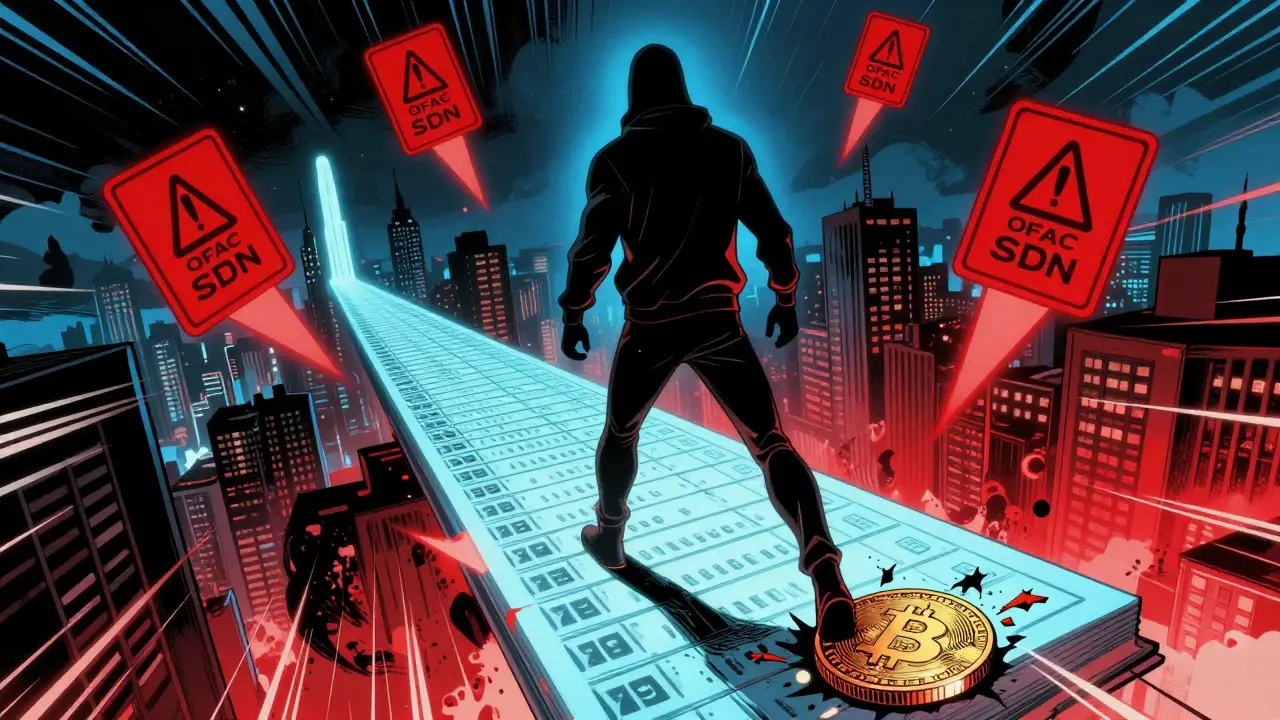
Circumventing crypto restrictions carries serious legal risks. Governments now track crypto transactions with 98%+ accuracy. Violations can lead to fines, asset freezes, and criminal charges. This analysis breaks down how enforcement works-and why it’s nearly impossible to evade.

Vietnam receives over $91 billion in crypto annually despite strict legal restrictions, making it one of the world's top crypto adopters. Here's how citizens use digital assets for remittances, gaming, and investing-even without official approval.