
You might have heard the rumors flying around crypto Twitter and industry forums. Big names are packing up their rigs in Kazakhstan and moving them elsewhere. It’s not just gossip; it’s a structural shift in how the world mines Bitcoin. For years, this Central Asian nation was the quiet giant of the network, offering cheap power that made mining profitable even when prices dipped. But by mid-2025, the story changed. Major players like Canaan officially exited, and the global Bitcoin hash rate began redistributing itself faster than anyone expected.
This isn’t about one bad month or a single policy change. It’s the result of years of tension between an exploding industry and a national grid that simply couldn’t keep up. If you’re watching your mining operations or considering where to invest in infrastructure, understanding why this migration is happening-and where those machines are going-is critical. Let’s look at what actually drove this exodus and what it means for the future of decentralized finance.
The Rise and Fall of the Ekibastuz Boom
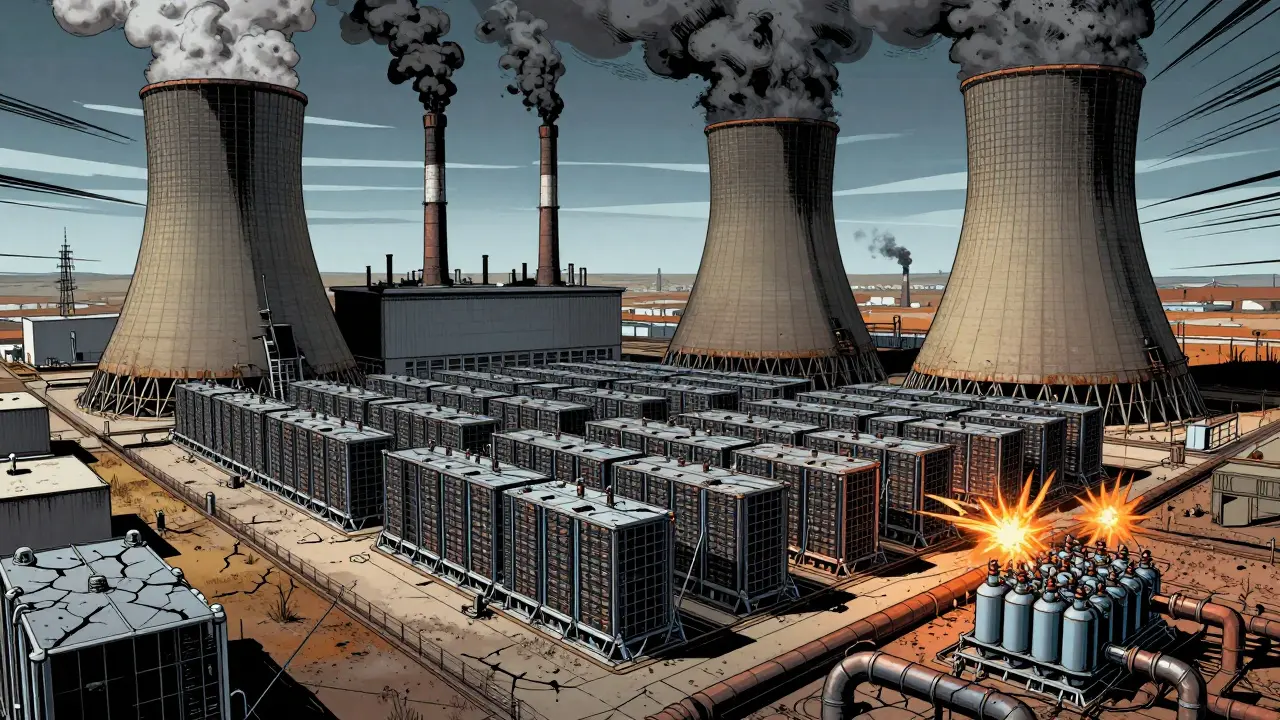
To understand the exit, you have to look back at the entry. In 2018, Kazakhstan became the darling of the Bitcoin mining world. Why? Because they had surplus electricity. After the collapse of the Soviet Union, the country was left with massive thermal power plants built for heavy industry that no longer existed. The coal was deep, abundant, and incredibly cheap. Mining companies flocked to regions like Ekibastuz, setting up massive facilities that consumed megawatts of power for pennies on the dollar.
By 2021, Kazakhstan had surged to second place globally in Bitcoin hashrate distribution. It was a gold rush. The government initially welcomed the foreign investment and tax revenue. But here’s the catch: growth was too fast. These mining farms weren’t just using spare capacity; they were starting to eat into the power supply meant for homes, hospitals, and schools. At its peak, mining operations were consuming roughly 7% of the country’s total power supply. That number sounds small until you realize the grid wasn’t designed for that kind of continuous, high-load demand during winter months.
The breaking point came when mass protests erupted. Civilians were facing blackouts while mining farms ran 24/7. The public outcry forced the government’s hand. Within weeks, authorities cut miners off from the national grid. The industry didn’t just slow down; it stopped. This event marked the first major signal that political will could override economic incentive. While some miners adapted by installing private generators, the era of unlimited, subsidized grid power was over.
Regulatory Tightening and the 70/30 Rule
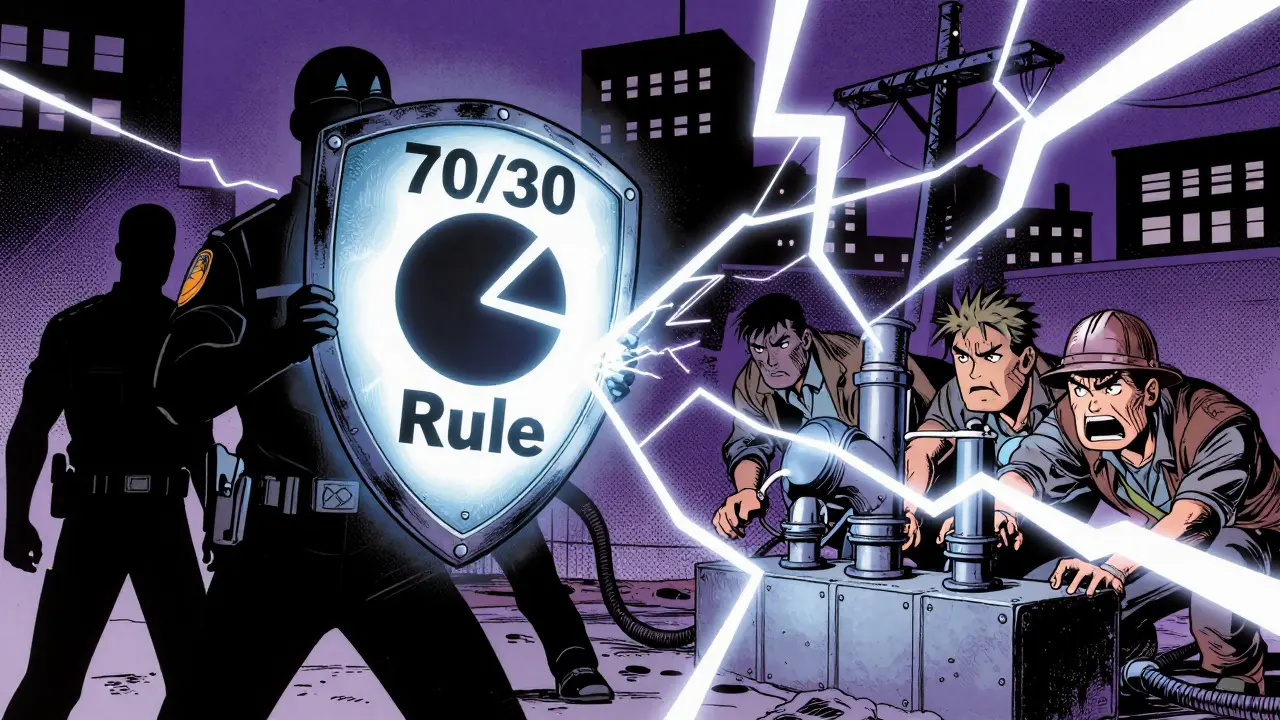
If the blackouts were the spark, regulatory changes were the fuel. The Kazakh government realized they couldn’t ban mining entirely without losing significant revenue, but they also couldn’t let it cripple the grid. So, they introduced new energy allocation strategies. The most notable was the "70/30" rule for new thermal power plant capacity. Under this policy, 70% of new power generation must go to the national grid to support civilian needs, while only 30% can be reserved for crypto mining.
This sounds fair on paper, but it creates a bottleneck for expansion. You can’t easily scale up if you’re capped at a third of new capacity. Furthermore, the regulatory environment became more opaque. In the first quarter of 2025 alone, Kazakh banks blocked 15,800 unauthorized crypto transactions valued at $3.07 million. This indicates active oversight and a crackdown on informal financial flows associated with mining payouts.
For institutional investors, uncertainty is the enemy. They don’t mind strict rules; they mind unpredictable ones. When you combine grid instability with sudden transaction blocks and ambiguous long-term energy contracts, the risk premium goes up. Many operators decided that the hassle of navigating these shifting sands wasn’t worth the margin advantage of cheap electricity.
Major Players Exit: The Case of Canaan
Let’s talk numbers, because actions speak louder than policies. A concrete example of this migration trend is the departure of Canaan, a major manufacturer and operator of mining hardware. In July 2025, Canaan officially withdrew from Kazakhstan as part of a strategic fleet reshuffle. This wasn’t a minor adjustment; it was a significant operational shift.
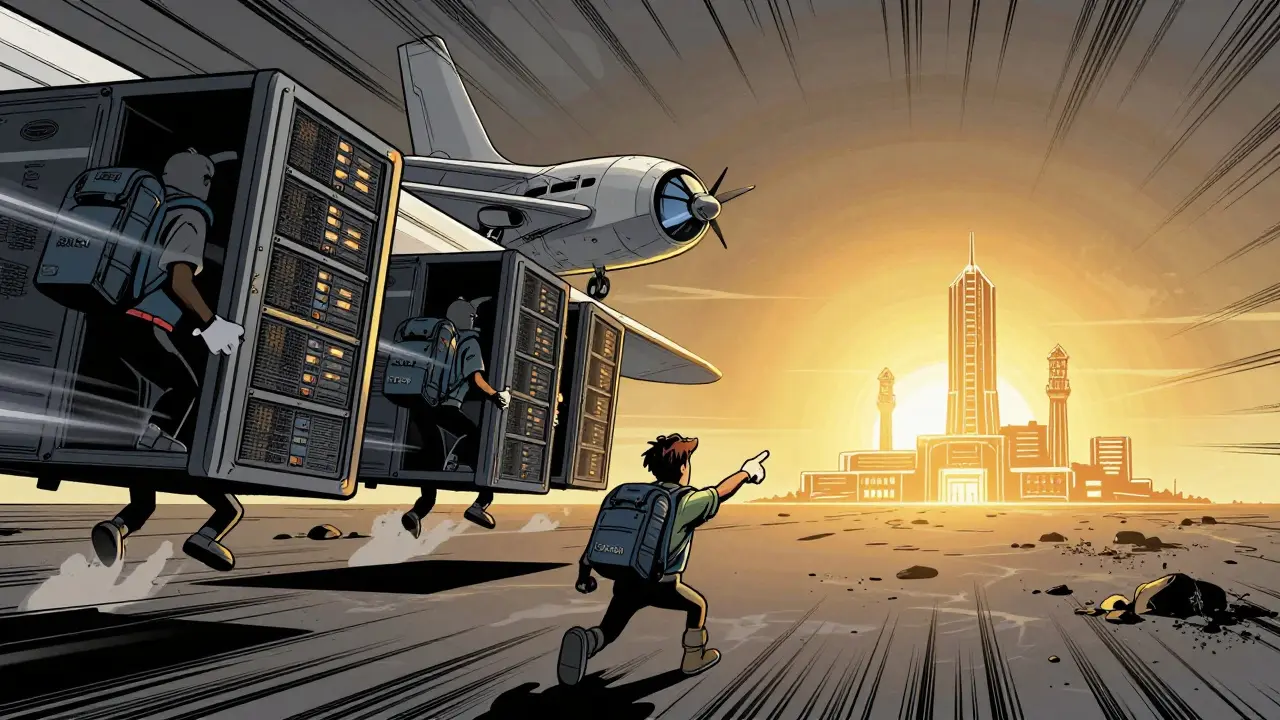
Look at the data: Canaan’s hashrate dropped from 6.67 EH/s (Exahashes per second) in May 2025 to 5.56 EH/s in July 2025. This decline was directly attributed to the planned withdrawal from Kazakhstan and the simultaneous closure of an underperforming site in South Texas. Despite still mining 89 BTC in July 2025, the company reported a realized hashrate decline that affected a substantial portion of their fleet. They began relocating affected machines, expecting roughly half of the offline units to resume operations in August 2025 in new jurisdictions.
When a company like Canaan moves, others watch closely. It signals that even well-capitalized entities with strong local connections are finding the environment unsustainable. This domino effect accelerates the migration. Smaller operators, who lack the capital to build private power infrastructure, often follow suit, selling their equipment or moving to hosted solutions in friendlier territories.
Where Is the Hash Rate Going?
If Kazakhstan is losing share, who is gaining it? The answer lies in countries with stable grids and clear regulatory frameworks. As of late 2024 and early 2025, the United States leads the pack with 35.4% of the global hashrate. This dominance is driven by access to stranded energy assets-like flared natural gas and hydroelectric overflow-and a legal framework that treats mining as a legitimate business activity.
Here is how the global landscape looks compared to Kazakhstan’s position:
| Country | Share of Global Hashrate | Key Advantage |
|---|---|---|
| United States | 35.4% | Regulatory clarity, diverse energy sources |
| Kazakhstan | 14.8% | Historically low energy costs (declining relevance) |
| China | 12% | Underground/private networks despite bans |
| Canada | 9.6% | Hydroelectric power, cold climate cooling |
| Russia | 4.7% | Cheap industrial power, geographic proximity to Asia |
Notice the gap. The US has nearly tripled Kazakhstan’s share. Canada and Russia offer alternatives, but they come with their own challenges-geopolitical risks in Russia and higher environmental standards in Canada. The migration isn’t just about finding cheaper power; it’s about finding reliable power. In the US, miners can sign long-term Power Purchase Agreements (PPAs) with confidence that the lights won’t go out due to a national deficit.
Is Kazakhstan Dead for Mining?
Not necessarily. It’s important not to overstate the collapse. Kazakhstan still holds 14.8% of the global hashrate. That’s a massive amount of computational power. The country remains a key player, especially for smaller operators who can’t afford the premium rates in North America or Europe.
The government is trying to pivot. Legislators are keen to formalize the sector, hoping to use crypto profits to support the wider economy. Ministers have suggested that with prudent development, Kazakhstan could become Central Asia’s crypto hub. The goal is to move from a wild west of unregulated consumption to a structured industry that contributes to GDP without destabilizing the grid.
However, trust takes time to rebuild. After the 2021 blackouts and the subsequent regulatory tightening, many international firms remain cautious. The current sentiment is mixed. Local miners appreciate the attempts to formalize the sector, but they worry about the 70/30 cap limiting their ability to expand. Meanwhile, new entrants are hesitant to commit capital without seeing consistent grid performance over several years.
What This Means for Investors and Miners
So, what should you do with this information? If you’re an investor, look beyond the headline hashrate numbers. Understand the underlying energy economics. A jurisdiction with slightly higher electricity costs but guaranteed uptime is often more profitable than one with rock-bottom prices and frequent shutdowns. Downtime kills margins faster than high kWh rates.
Also, watch the geopolitical angle. Analysts at AInvest noted in September 2025 that competition in hubs like Kazakhstan and Iran mirrors China’s past dominance. This creates volatility risks for institutional allocations. Diversification is key. Don’t put all your mining hardware in one country. Spread your fleet across the US, Canada, and perhaps parts of Scandinavia to mitigate regional risks.
Finally, keep an eye on the technology. As ASICs become more efficient, the cost of power matters less, and the cost of hardware depreciation matters more. This shift favors established players with deep pockets and access to cheap financing, further squeezing out small-scale miners in unstable regions like Kazakhstan.
Why did miners leave Kazakhstan in 2025?
Miners left Kazakhstan primarily due to grid instability, regulatory uncertainty, and the implementation of the 70/30 energy allocation rule. Previous blackouts caused by excessive power consumption led to public backlash, forcing the government to restrict mining access to the national grid. Major companies like Canaan exited to seek more stable jurisdictions with clearer long-term energy contracts.
Does Kazakhstan still have a significant Bitcoin hash rate?
Yes, Kazakhstan retains approximately 14.8% of the global Bitcoin hash rate. While this is a decline from its peak position in 2021 when it held second place globally, it remains a major player in the mining landscape, particularly for operators who can manage higher operational risks.
Where is the Bitcoin hash rate migrating to?
The hash rate is largely migrating to the United States, which holds over 35% of the global share. Other destinations include Canada, Russia, and parts of Europe. These countries offer more stable energy grids, clearer regulatory frameworks, and better access to stranded energy assets like hydroelectric overflow and flared gas.
What is the 70/30 energy rule in Kazakhstan?
The 70/30 rule is a regulatory policy in Kazakhstan that dictates how new thermal power plant capacity is allocated. 70% of the new capacity must be supplied to the national grid to ensure civilian power needs are met, while only 30% can be reserved for cryptocurrency mining operations. This limits the ability of miners to scale up using new power infrastructure.
Is it still profitable to mine Bitcoin in Kazakhstan?
Profitability in Kazakhstan is highly variable. While electricity costs remain relatively low compared to Western nations, the risk of grid disconnections, regulatory changes, and transaction blocks adds significant operational overhead. For large-scale institutional miners, the stability of other jurisdictions often outweighs the cost savings in Kazakhstan.