
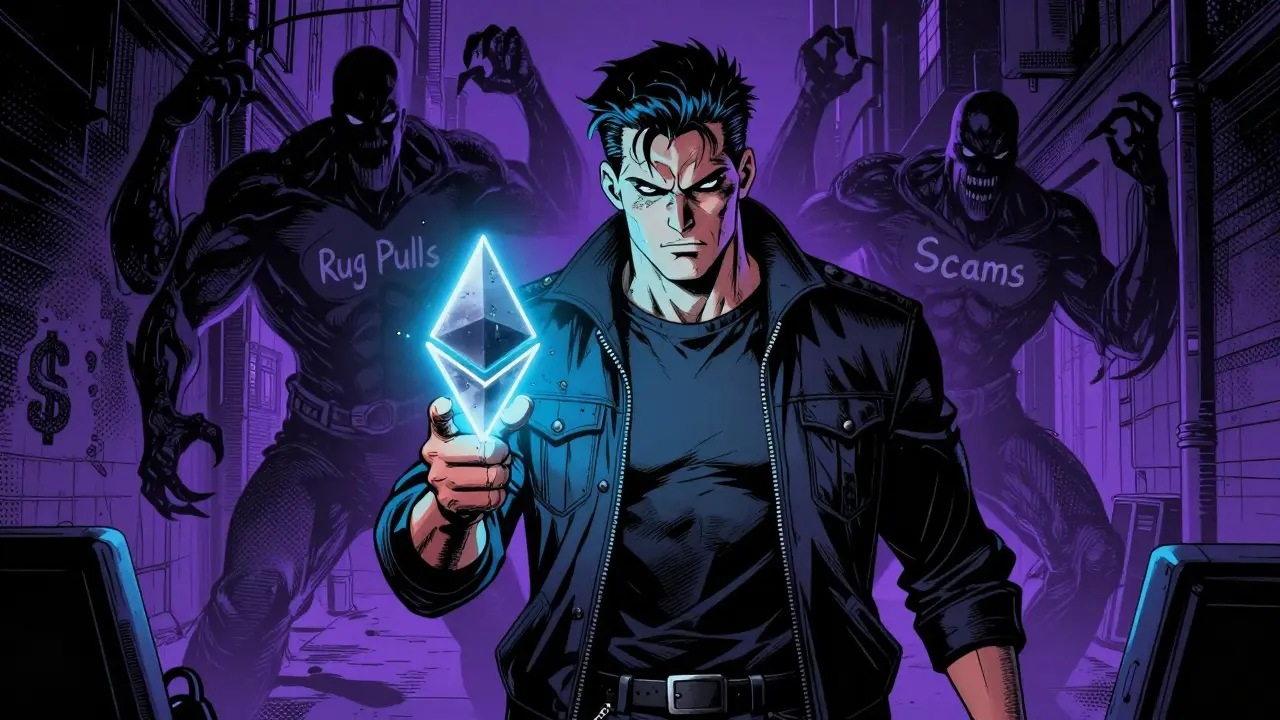
Imagine a cryptocurrency that claims to fight scams by being a scam itself. That sounds like an oxymoron, right? Yet, that is exactly where Mindfak (MINDFAK) sits in the crowded and chaotic world of digital assets. Created by Matt Furie, the artist behind the cult-favorite comic series Boy’s Club and the internet phenomenon Homestar Runner, this token launched in early 2024 with a mission statement that reads more like satire than financial advice: "Mindfak will fak your favourite memecoins and rebuild the trust in Crypto."
If you are wondering whether MINDFAK is a legitimate investment or just another piece of internet art wrapped in blockchain technology, you are not alone. The project occupies a strange niche called "meta-meme" coins-tokens that critique the very ecosystem they exist in. Before you connect your wallet, you need to understand what this token actually is, why it exists, and the significant risks involved in holding it.
The Origin Story: Art Meets Blockchain
Matt Furie is not a typical crypto developer. He is a cartoonist whose work has defined internet culture for decades. His entry into cryptocurrency was not driven by a desire to build decentralized finance infrastructure but rather by a reaction to the rampant fraud he observed online. According to the official mindfak.com website, Furie "wandered into crypto, chasing the flame," only to become disillusioned by the "whispers, the fortune, the game" of rug pulls and deceptive marketing.
Instead of walking away, Furie decided to participate ironically. MINDFAK operates as an ERC-20 token on the Ethereum blockchain. This means it uses the same underlying technology as many other major cryptocurrencies but relies entirely on community sentiment and cultural commentary for its value. There is no utility beyond the token itself; it does not power a platform, offer staking rewards, or provide access to exclusive services. Its primary function is symbolic-a digital protest against the greed prevalent in the meme coin sector.
Tokenomics: Why the Supply Is So Weird
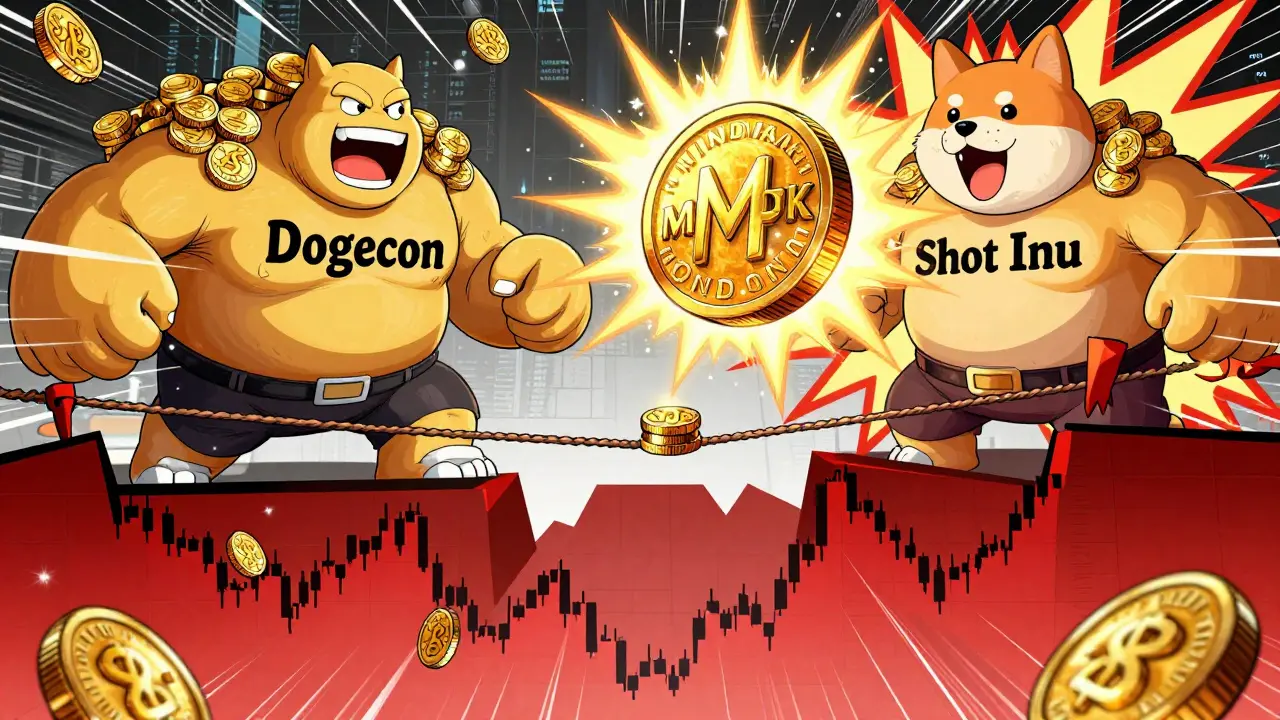
If you have traded popular meme coins like Dogecoin or Shiba Inu, the numbers surrounding MINDFAK will look bizarre. Standard meme coins often have supplies in the trillions to keep the price per unit low and accessible to retail investors. MINDFAK takes the opposite approach.
| Token | Total Supply | Blockchain | Primary Narrative |
|---|---|---|---|
| MINDFAK | ~80,253 tokens | Ethereum | Anti-scam satire |
| Dogecoin (DOGE) | 134+ Billion | Dogecoin (PoW) | Community currency |
| Shiba Inu (SHIB) | 589 Trillion | Ethereum | Dog-themed ecosystem |
The total supply of approximately 80,253 tokens is exceptionally low. While this might sound like it makes each token incredibly valuable, it creates extreme volatility. With so few tokens in circulation, large holders can manipulate the price with relatively small trades. Data from Phantom Wallet and various exchanges showed wild discrepancies in market capitalization reports, ranging from $3.2 million to inexplicably high figures of $1.1 billion due to data reporting errors. These inconsistencies highlight the lack of standardized tracking for such niche assets.
The "Meta-Meme" Paradox
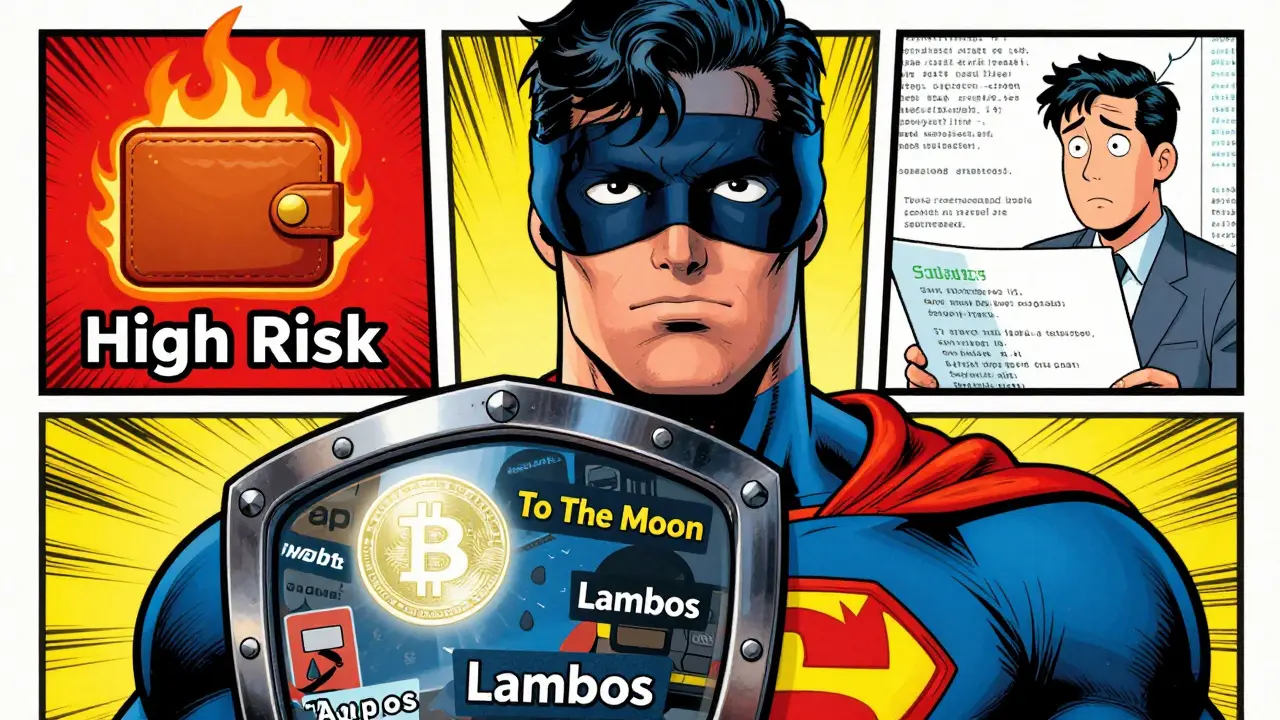
MINDFAK positions itself as a critic of the industry. The project’s marketing explicitly attacks platforms like Pump.Fun and Solana-based meme coins, calling them "bait" and "exit liquidity" schemes. It mocks the promise of "moons and Lambos" that characterizes much of crypto Twitter.
However, critics point out a fundamental contradiction. As Dr. Elena Rodriguez from the MIT Digital Currency Initiative noted, MINDFAK exemplifies the "meta-irony problem." It is a speculative asset operating within the same risky framework it condemns. When you buy MINDFAK, you are still engaging in speculation based on hype, not utility. The project argues that by exposing these behaviors through participation, it makes the hypocrisy visible. Whether this constitutes genuine activism or just clever branding remains a subject of intense debate among investors.
Security Risks and Red Flags
Before investing any money, you must understand the security landscape. Security firms like CertiK have flagged several concerns regarding MINDFAK:
- Unaudited Smart Contracts: Unlike established projects that undergo rigorous third-party audits to prevent code vulnerabilities, MINDFAK lacks public audit documentation.
- Anonymous Development Team: While Matt Furie is a known public figure, the technical team managing the smart contract and liquidity pools remains largely anonymous, raising questions about accountability.
- Liquidity Concentration: Etherscan data revealed that 78% of all MINDFAK tokens were held by the top 10 wallets. This centralization means a small group of individuals could dump their holdings, crashing the price instantly.
- Exchange Availability: MINDFAK is not listed on major centralized exchanges like Coinbase or Binance. Trading primarily occurs on decentralized platforms like GroveX, which requires users to manage their own private keys and pay Ethereum gas fees.
Wallet providers like Phantom explicitly warn users: "This token is unverified. Only interact with tokens you trust." This is standard language for unlisted ERC-20 tokens, but it serves as a critical reminder that if something goes wrong, there is no customer support to help you recover your funds.
How to Buy MINDFAK (And Why You Might Not Want To)
If you decide to proceed despite the risks, the process involves specific steps that differ from buying Bitcoin or Ethereum on a major exchange.
- Set Up a Web3 Wallet: You will need a self-custody wallet like MetaMask or Phantom. This requires securing your seed phrase offline.
- Fund Your Wallet with ETH: Since MINDFAK is an Ethereum token, you need Ether (ETH) to pay for transaction fees (gas). Gas fees on Ethereum can fluctuate wildly, sometimes costing more than the trade itself during peak times.
- Connect to a DEX: Navigate to a decentralized exchange like GroveX or Uniswap. Connect your wallet carefully, ensuring you are on the correct URL to avoid phishing sites.
- Swap ETH for MINDFAK: Search for the MINDFAK contract address. Double-check the address against official sources to ensure you are not buying a fake token with a similar name.
This process has a steep learning curve. For beginners, the risk of making a mistake-such as sending funds to the wrong address or approving a malicious contract-is high. Support tickets on the mindfak.com site frequently cite issues with insufficient gas fees and failed transactions, indicating that even experienced users face friction.
Market Sentiment and Community Reaction
The community around MINDFAK is polarized. On social media platforms like Reddit and Twitter, sentiment analysis shows a majority of negative reactions. Many users view the project as "another pump and dump pretending to be anti-pump and dump." Critics argue that the anonymity of the dev team and the lack of transparency mirror the exact behaviors the token claims to oppose.
Conversely, supporters appreciate the artistic merit and the boldness of the critique. They argue that Matt Furie’s reputation provides a layer of credibility that random anonymous meme coins lack. However, even supporters acknowledge that the token is highly speculative. Price action has been volatile, with daily swings exceeding 14%. Without a clear path to mainstream adoption or utility, the long-term viability of MINDFAK depends entirely on sustained cultural relevance.
Final Thoughts: Art or Asset?
MINDFAK is less of a financial instrument and more of a cultural artifact. It reflects the current state of cryptocurrency: skeptical, ironic, and deeply intertwined with internet meme culture. If you are looking for a stable investment or a technology with real-world applications, MINDFAK is likely not for you. It offers no dividends, no governance rights, and no guaranteed returns.
However, if you are interested in the intersection of digital art and blockchain, or if you want to support Matt Furie’s commentary on the crypto space, MINDFAK provides a unique entry point. Just remember that in the world of meme coins, especially those built on irony, the line between satire and reality is thin. Always do your own research, never invest more than you can afford to lose, and treat any gains as luck rather than expectation.
Is Mindfak a scam?
Determining if MINDFAK is a "scam" is complex because it operates in a gray area. It is created by a known artist, Matt Furie, and explicitly markets itself as a critique of scams. However, it lacks audited smart contracts, has a concentrated token distribution, and offers no utility beyond speculation. Security experts classify it as high-risk due to these factors. While it may not be a traditional "rug pull" designed solely to steal funds, it carries significant financial risk typical of unaudited meme coins.
Where can I buy MINDFAK tokens?
MINDFAK is not available on major centralized exchanges like Coinbase or Binance. You must use a decentralized exchange (DEX) such as GroveX or Uniswap. This requires you to have an Ethereum wallet (like MetaMask), hold ETH for gas fees, and manually swap your ETH for MINDFAK using the token's specific contract address. Exercise extreme caution to avoid phishing sites.
Why is the MINDFAK supply so low?
The total supply of ~80,253 tokens is intentionally low, contrasting sharply with meme coins like Dogecoin or Shiba Inu that have trillions of tokens. This scarcity creates higher volatility, meaning small amounts of buying or selling can drastically impact the price. It also makes the token vulnerable to manipulation by large holders, as a small number of people control a significant percentage of the supply.
Who is Matt Furie?
Matt Furie is an American cartoonist best known for creating the webcomic "Boy's Club" and the characters Homestar and Strong Bad from Homestar Runner. He is also the creator of Pepe the Frog, though he later distanced himself from its political usage. His involvement in MINDFAK brings artistic credibility to the project, distinguishing it from anonymous meme coin launches.
What is the purpose of the MINDFAK token?
MINDFAK has no functional utility. It does not provide access to software, services, or governance. Its stated purpose is satirical: to critique the cryptocurrency ecosystem, particularly the prevalence of scams and hype-driven meme coins. It is a "meta-meme" coin, meaning its value is derived from cultural commentary and community sentiment rather than technological innovation or real-world application.