
Imagine finding a cryptocurrency that promises to revolutionize online gaming by letting you trade in-game assets, pay for tournaments, and vote on platform decisions. Sounds exciting, right? That is the pitch for GameGuru, a small-cap digital asset with the ticker symbol GGT. But when you look past the marketing buzzwords, what do you actually see? The short answer: a project with ambitious goals but very little current activity.
If you are searching for information on GameGuru because you saw it listed on a tracker or heard about it in a niche forum, you need to understand exactly what this token is, how it works, and why its market data looks so strange. This guide breaks down the reality of GGT as of mid-2026, helping you decide if it fits your portfolio or if it’s best left alone.
The Core Concept: What Is GameGuru Supposed to Do?
At its heart, GameGuru aims to create a decentralized ecosystem for gamers and developers. The idea is not entirely new; many blockchain projects try to merge gaming with finance (DeFi). However, GameGuru positions itself around three main pillars:
- Payments: Using GGT to buy vetted gaming products from wholesalers within the ecosystem.
- Asset Trading: Enabling peer-to-peer trading of in-game items without middlemen taking large cuts.
- Governance & Rewards: Allowing holders to stake their tokens for rewards and vote on future development directions.
The narrative suggests a "safe and transparent" economy where players have true ownership of their digital goods. In theory, this solves real problems in traditional gaming, such as locked-in assets and unfair marketplace fees. In practice, however, the execution has lagged significantly behind the vision.
Technical Confusion: Which Blockchain Does It Use?
One of the first red flags for any serious researcher is conflicting technical data. When you dig into the details of GameGuru, you find a messy picture regarding which blockchain it lives on.
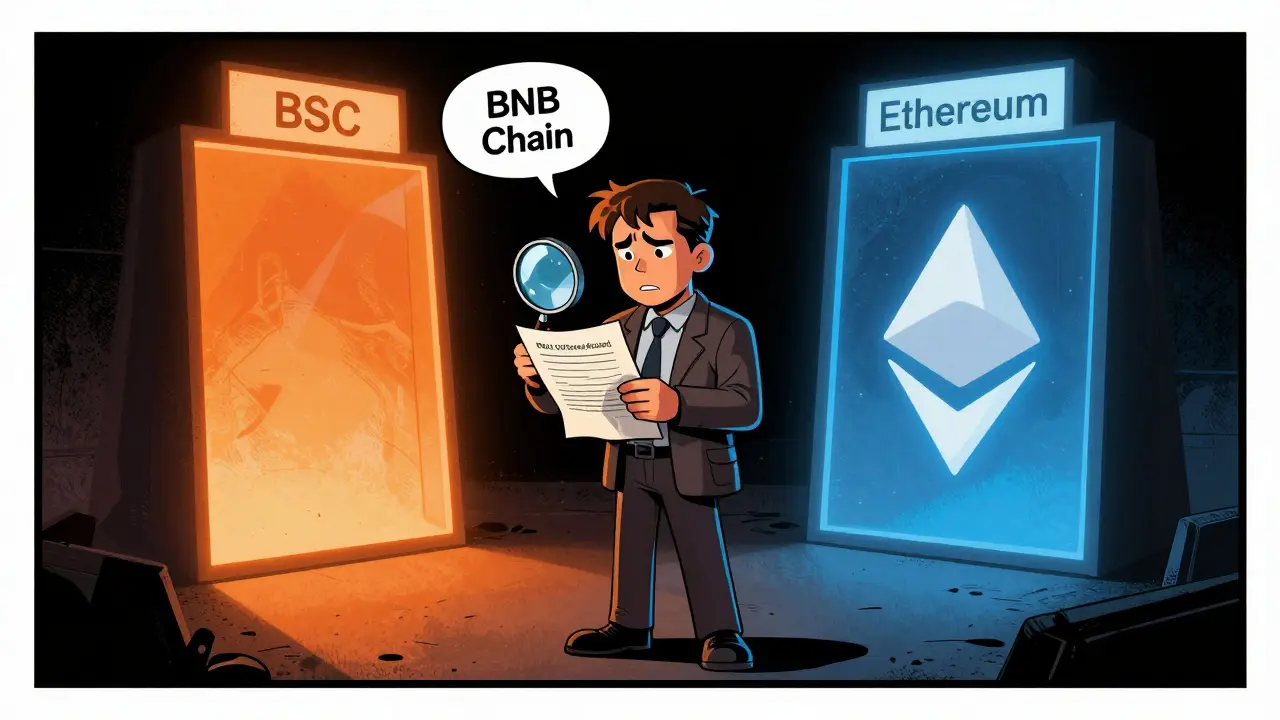
Most reliable data aggregators, including CoinMarketCap and Coinbase, list GameGuru as a token on the BNB Smart Chain (formerly Binance Smart Chain), using the BEP-20 standard. The contract address often cited is 0xd2359c576632234D1354B20Bf51B0277Be20C81e. This aligns with the fact that most low-cost gaming utility tokens choose BSC for its fast transaction speeds and low gas fees.
However, other sources like CoinPaprika describe it as an Ethereum-based project leveraging smart contracts for NFTs and DeFi applications. This discrepancy usually happens when a project launches on one chain and attempts to bridge to another, or when different entities use similar names. For GGT, the weight of evidence points to the BNB Smart Chain being the active network, but the lack of clear, official documentation from the team makes this confusing for users trying to set up their wallets correctly.
| Data Point | CoinMarketCap / Coinbase | CoinPaprika | Implication |
|---|---|---|---|
| Blockchain Network | BNB Smart Chain (BEP-20) | Ethereum (ERC-20 implied) | High risk of sending funds to wrong chain |
| Launch Date | October 2022 | 2021 (implied earlier version) | Possible rebrand or migration history |
| Contract Address | Provided (0xd235...) | Not specified | Verify address before any swap |
Tokenomics: Supply, Scarcity, and Taxes
Understanding the supply mechanics is crucial for evaluating any crypto asset. Here is what the data shows about GameGuru’s structure:
- Total Supply: Most sources agree on a maximum supply of 100,000,000 GGT. Some trackers report a total issued supply of 93,000,000, suggesting some tokens may be burned or unallocated.
- Inflation: The contract reportedly has no mint function. This is a positive feature. It means the developers cannot print more tokens out of thin air to dilute your holdings.
- Transaction Fees: There are no buy/sell taxes built into the contract. Unlike many meme coins or high-yield farming tokens that charge 5-10% on every trade, GGT allows full value transfer. This reduces friction for traders but also removes a revenue stream for the project team unless they rely on other monetization methods.
While a fixed supply and zero tax sound appealing on paper, they do not guarantee value. If there is no demand for the token, scarcity doesn’t matter. You can have a million copies of a rare painting, but if no one wants to buy art, the price stays at zero.
Market Reality: Price, Volume, and Liquidity
This is where the story gets sobering. As of June 2026, GameGuru is classified as a micro-cap asset. Let’s look at the hard numbers:
- Current Price: Approximately $0.000085 USD.
- All-Time High (ATH): Around $0.01736 USD.
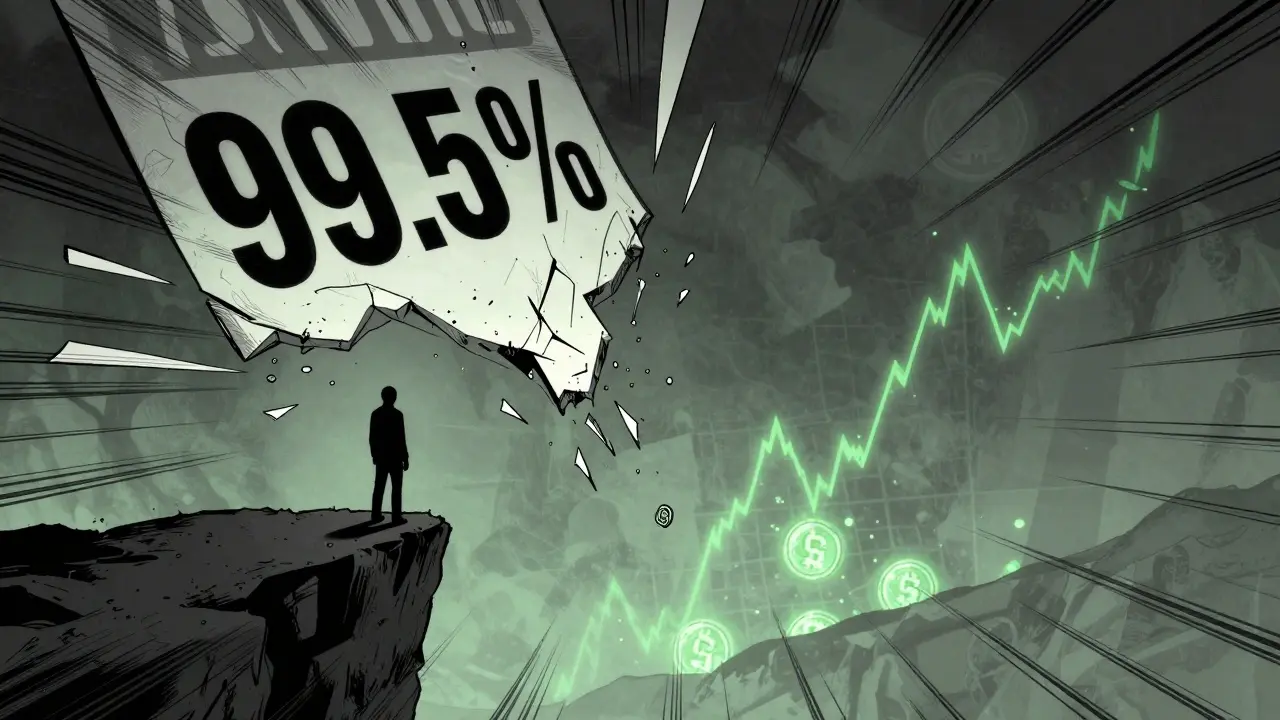
- Drawdown: The token has lost over 99.5% of its peak value.
- Trading Volume: Often near zero. On days when volume exists, it might reach only a few hundred dollars globally.
- Market Rank: Fluctuates between #6,000 and #11,000 depending on the tracker.
A price drop of 99.5% is catastrophic. It indicates that early investors sold off, and new buyers never arrived in sufficient numbers to sustain the price. Furthermore, the near-zero trading volume means liquidity is extremely thin. If you were to buy a significant amount of GGT, you might find it impossible to sell later without crashing the price further, simply because there aren’t enough buyers on the order books.
Some platforms even report a circulating supply of zero or a market cap of zero. This doesn’t mean the token doesn’t exist; it means there are no active trades being recorded on major centralized exchanges, making the data unreliable for traditional analysis.
Where Can You Actually Buy GGT?
You will likely not find GameGuru on major centralized exchanges like Coinbase Pro, Kraken, or Binance Spot markets. Instead, access is primarily through Decentralized Exchanges (DEXs) on the BNB Smart Chain.
To acquire GGT, you would typically follow these steps:
- Set up a non-custodial wallet compatible with BSC, such as MetaMask or Trust Wallet.
- Buy BNB (the native coin of the BNB Smart Chain) to pay for gas fees.
- Connect your wallet to a DEX like PancakeSwap or BabyDogeSwap.
- Paste the verified GGT contract address (
0xd2359c576632234D1354B20Bf51B0277Be20C81e) into the swap interface. - Execute the swap.
Warning: Because GGT is not widely listed, scammers often create fake tokens with the same name. Always double-check the contract address against multiple trusted sources before swapping. Never click links from social media DMs promising free GGT.
Risks and Red Flags: Why Should You Be Cautious?
Investing in micro-cap gaming tokens carries extreme risk. Here are the specific concerns surrounding GameGuru:
- Anonymity: There is no publicly known founding team. No whitepaper with named authors, no LinkedIn profiles, no corporate entity registration. In crypto, anonymity isn’t always bad, but combined with low liquidity, it raises the risk of a "rug pull" (where developers abandon the project and take the remaining funds).
- Lack of Development Updates: Since its launch in 2022, there have been no major announced milestones, game launches, or partnerships visible in public records. A static project with no growth trajectory is unlikely to recover.
- No Audit Information: While the code lacks a mint function, there is no mention of third-party security audits (e.g., by CertiK or Hacken). Unaudited contracts can contain hidden backdoors.
- Illiquidity Trap: With daily volumes under $1,000, exiting a position can be difficult. Slippage (the difference between expected price and executed price) could eat up a large percentage of your investment.
Is GameGuru Worth Your Attention?
If you are a seasoned degenerate trader who enjoys hunting for pennies-on-the-dollar gems and understands how to read blockchain explorers, you might keep GGT on your watchlist purely for speculative fun. But you must accept that the money is likely gone forever.
For the average investor or gamer looking to benefit from Web3 technology, GameGuru currently offers little practical utility. The ecosystem described in marketing materials-tournaments, asset trading, governance-does not appear to be actively populated by users. Without users, there is no network effect. Without network effects, there is no value.
There are healthier alternatives in the gaming crypto space. Projects like Immutable X, Axie Infinity, or The Sandbox have established user bases, clear roadmaps, and higher liquidity. They are not risk-free either, but they represent active economies rather than dormant contracts.
Is GameGuru (GGT) a scam?
It is difficult to definitively label it a "scam" without legal proof, but it exhibits many characteristics of failed or abandoned projects. The anonymous team, lack of development updates, 99% price drop, and near-zero liquidity are significant warning signs. Proceed with extreme caution.
Which blockchain is GameGuru on?
Most data indicates GameGuru operates on the BNB Smart Chain (BEP-20). However, some older or conflicting sources mention Ethereum. Always verify the contract address before interacting to ensure you are on the correct network.
Can I buy GameGuru on Coinbase or Binance?
No. GameGuru is not listed on major centralized exchanges like Coinbase or Binance for direct trading. You can only access it via decentralized exchanges (DEXs) like PancakeSwap, which requires a crypto wallet and knowledge of how to swap tokens manually.
What is the maximum supply of GGT?
The maximum supply is capped at 100,000,000 GGT. The contract does not have a mint function, meaning no new tokens can be created after this initial allocation.
Why is the price of GameGuru so low?
The price is low due to a massive loss of value since its all-time high (over 99% drop) and extremely low trading volume. Low demand and illiquidity drive the price down. Micro-cap tokens often suffer from this volatility when interest wanes.
Are there any transaction fees when trading GGT?
The GameGuru token contract itself does not impose buy or sell taxes. However, you will still need to pay gas fees in BNB to process transactions on the BNB Smart Chain, and decentralized exchanges may charge a small swap fee (typically 0.25%).