
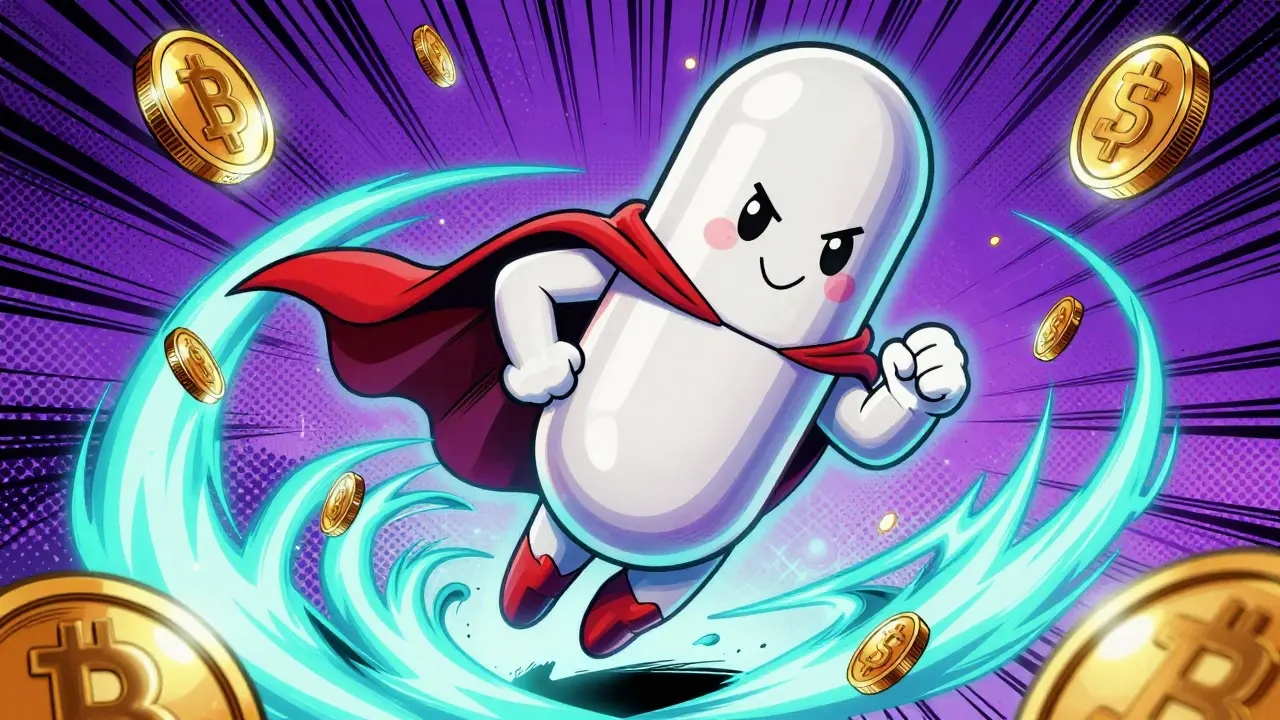
Imagine waking up to find a digital asset designed to "soothe market migraines." That is exactly how Aspirin is a community-driven meme cryptocurrency token built on the Solana blockchain. It was launched as a humorous take on the pharmaceutical drug, targeting retail investors who love the thrill of low-cost, high-risk speculative bets. But is it a legitimate investment or just another digital prank?
The Basics of ASPIRIN Token
To understand ASPIRIN, you first have to understand the world of meme coins. Unlike Bitcoin or Ethereum, which aim to solve financial or computational problems, meme coins rely almost entirely on social media hype and community jokes. ASPIRIN operates as an SPL token, which is the standard for tokens on the Solana network. This means it benefits from Solana's fast transaction speeds and low fees, making it cheap to trade for people who want to hold millions of coins without spending much money.
The token's economics are intentionally extreme. It has a total supply of 42.06 quadrillion tokens. Why so many? In the meme coin world, having a price like $0.000000000000115 is a psychological tactic. It makes a new investor feel like they are getting a bargain by owning trillions of units, even if the total value of their holding is only a few dollars.
Market Performance and Red Flags
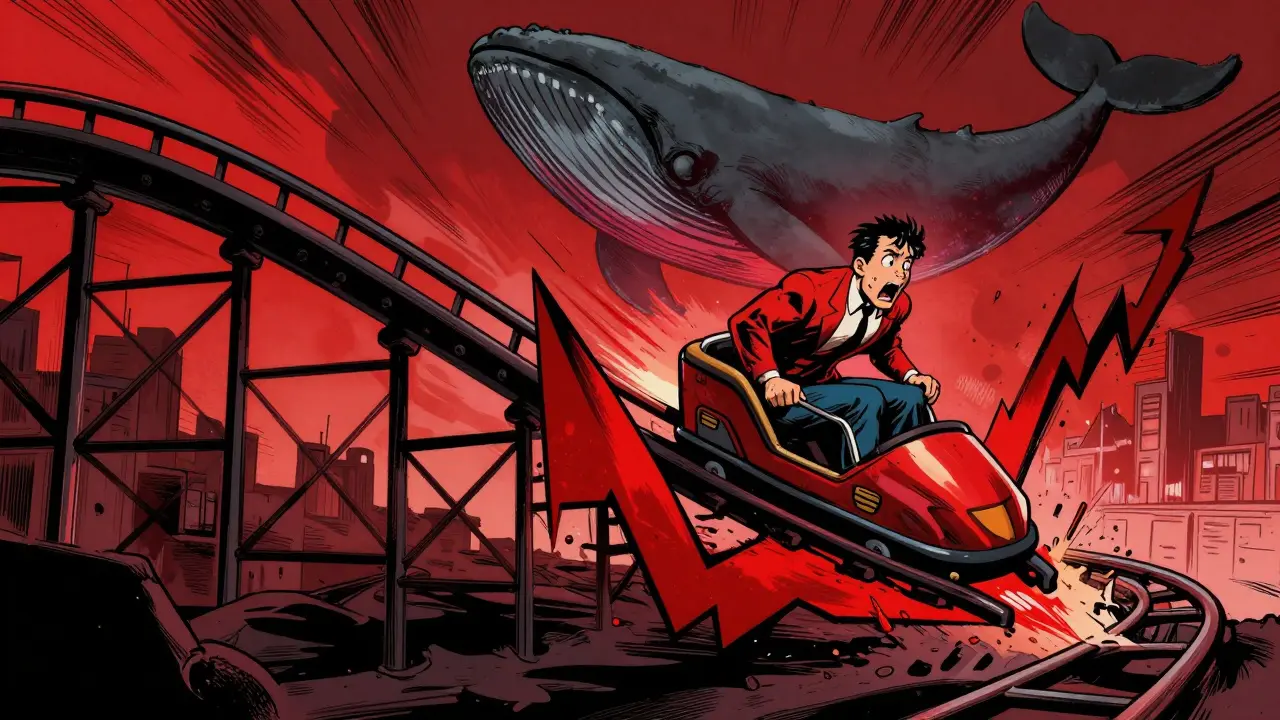
If you're looking for stability, you won't find it here. The price history of Aspirin crypto coin is a rollercoaster of volatility. After hitting an all-time high in late November 2024, the token has struggled significantly. In some 24-hour windows, prices have swung by as much as 46%, which is a massive red flag for anyone not comfortable with losing their entire investment in a single afternoon.
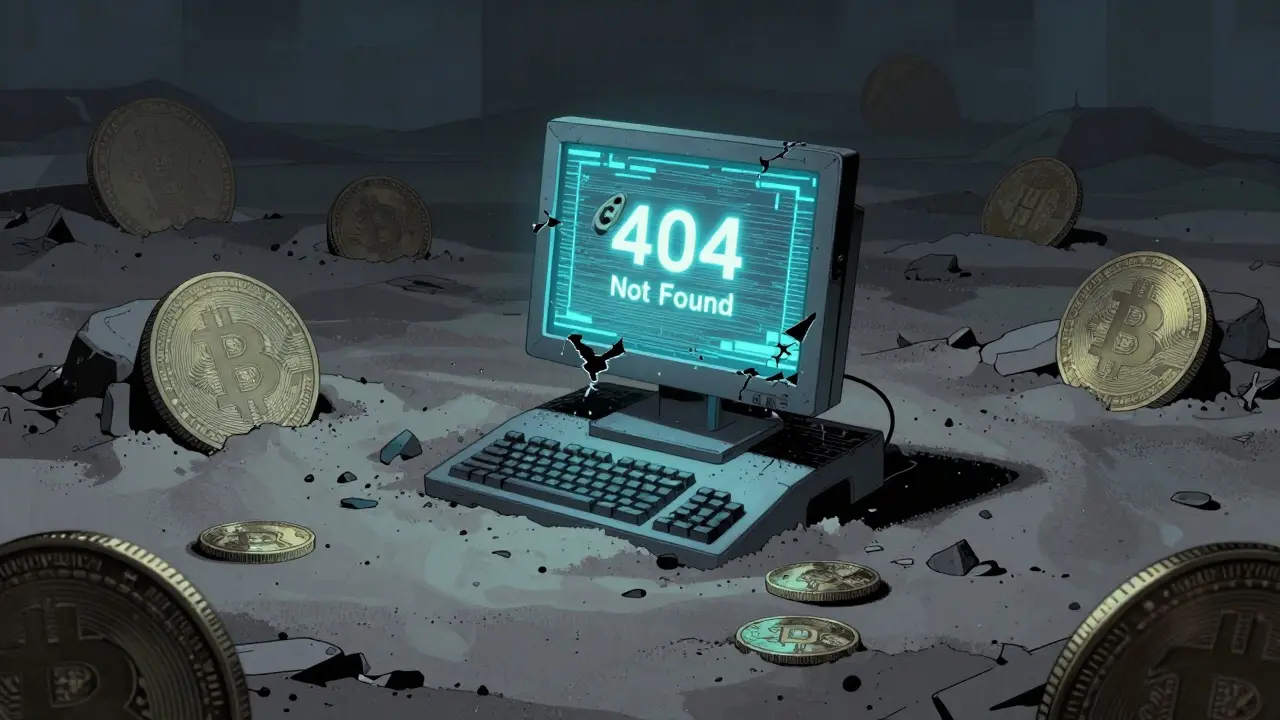
Perhaps the most concerning detail is the state of the project's infrastructure. On March 29, 2025, the official Aspirin website went offline. In the crypto world, when a project's website disappears, it's usually a sign that the anonymous developers have moved on-a scenario often referred to as "abandonment." Without a central hub for communication or a roadmap, the token exists solely on decentralized exchanges, drifting without leadership.
| Feature | Aspirin (ASPIRIN) | Dogecoin (DOGE) | Shiba Inu (SHIB) |
|---|---|---|---|
| Market Cap | ~$10,000 | $10B+ | $5B+ |
| Utility | None (Speculative) | Payments/Tipping | Layer-2 (Shibarium) |
| Infrastructure | Website Offline | Active Devs | Active Ecosystem |
| Risk Level | Extreme / Likely Defunct | Moderate (for crypto) | Moderate (for crypto) |
How it Differs from Other Crypto Assets
Most legitimate projects offer a "value proposition"-maybe they make cross-border payments faster or provide a platform for smart contracts. ASPIRIN provides no such utility. There are no staking rewards to earn passive income, no governance tokens to vote on the future of the project, and no real-world application. It is purely a speculative instrument.
Compared to established giants like Dogecoin or Shiba Inu, Aspirin is in a completely different league. While those coins have built massive communities and some actual infrastructure, Aspirin remains in the "long tail" of the market. Ranking around #8,500 on major trackers means it is barely a blip on the radar of institutional investors.
The Risks of Trading Micro-Cap Tokens
Trading a token with a market cap under $10,000 is fundamentally different from buying a stock or a major coin. The biggest danger is liquidity. If you hold a large amount of ASPIRIN and try to sell, there may not be enough buyers on the other side, causing the price to crash even further as you exit. This makes the asset highly susceptible to manipulation by a few "whales" who can move the price with a single trade.
Moreover, because the team is anonymous, there is no one to hold accountable. Many micro-cap projects on Solana end in "rug pulls," where the creators drain the liquidity pools and disappear. While we can't confirm a rug pull for every single single-digit-dollar trade, the lack of a website and the plummeting price trajectory fit the pattern of a failed project.
Is it Still Tradable?
Technically, yes, but it's difficult for beginners. You won't find this token on major centralized exchanges like Binance-in fact, it has been delisted from many. To trade it, you would need a Solana-compatible wallet like Phantom and use a decentralized exchange (DEX). This process involves connecting your wallet to a liquidity pool and swapping other tokens for ASPIRIN.
For the average person, this is a steep learning curve with very little reward. Most analysts, including data from Digitalcoinprice, suggest the long-term value is likely to trend toward zero. When the community sentiment is overwhelmingly negative and the developers are silent, the "viral potential" that drives meme coins usually evaporates.
What is the purpose of the Aspirin crypto coin?
Aspirin was created as a meme coin with no real-world utility. Its only purpose was to capitalize on internet humor and attract speculative retail investors through its low price per token and "remedy" theme.
Is ASPIRIN a safe investment?
No, it is considered extremely high-risk. With a tiny market cap, an offline website, and no active development team, there is a high probability of total loss of capital.
Where can I buy the ASPIRIN token?
Since it is not available on most major exchanges, you must use a decentralized exchange (DEX) on the Solana blockchain, using a wallet like Phantom to interact with the contract address.
Why does it have so many tokens in supply?
The 42.06 quadrillion supply is a common tactic for meme coins. It allows the price per token to stay incredibly low, which appeals to investors who prefer holding trillions of tokens over a small fraction of a more expensive coin.
Is the Aspirin project still active?
All signs point to it being defunct. The official website went offline in March 2025, and there has been no significant development or community growth reported since then.