
When you hear real-world asset tokenization, the process of turning physical assets like property, stocks, or commodities into digital tokens on a blockchain. Also known as tokenized assets, it lets you own a slice of something tangible—like a building or a share of Apple stock—without needing a bank or broker to hold it for you. This isn’t science fiction. It’s happening right now, with companies using blockchain to break down ownership into tiny, tradeable pieces.
Think of tokenized stocks, digital versions of traditional company shares that trade on blockchain networks and can earn dividends automatically. AXPon, for example, lets you hold a token backed by real American Express stock, earn dividends, and even borrow against it—all without a brokerage account. Then there’s tokenized real estate, where a building’s value is split into hundreds or thousands of tokens, allowing small investors to buy into high-value properties. These aren’t just ideas—they’re live projects, even if they’re still early and risky. You’ll find posts here that break down exactly how these tokens work, which ones have real backing, and which are just hype wrapped in blockchain jargon.
But it’s not all smooth sailing. DeFi, the decentralized finance ecosystem that enables trading, lending, and earning yield without traditional intermediaries is the engine behind most of this, but it’s also where things go wrong. Many tokenized assets lack audits, have no real liquidity, or are tied to platforms that vanish overnight. That’s why you’ll see posts here calling out scams, explaining regulatory gray zones (like MiCA in Europe or OFAC sanctions on crypto addresses), and showing you what actually holds value versus what’s just a flashy name.
What you’ll find below isn’t a list of buzzwords. It’s a real-world guide to what’s working, what’s fake, and who’s actually using these tools. From tokenized stocks that pay dividends to real estate tokens that require legal compliance, these posts cut through the noise. You’ll learn how governments are reacting, how exchanges are handling these assets, and why some projects have zero trading volume but still attract investors. No fluff. No guesswork. Just what you need to know before you buy, trade, or walk away.
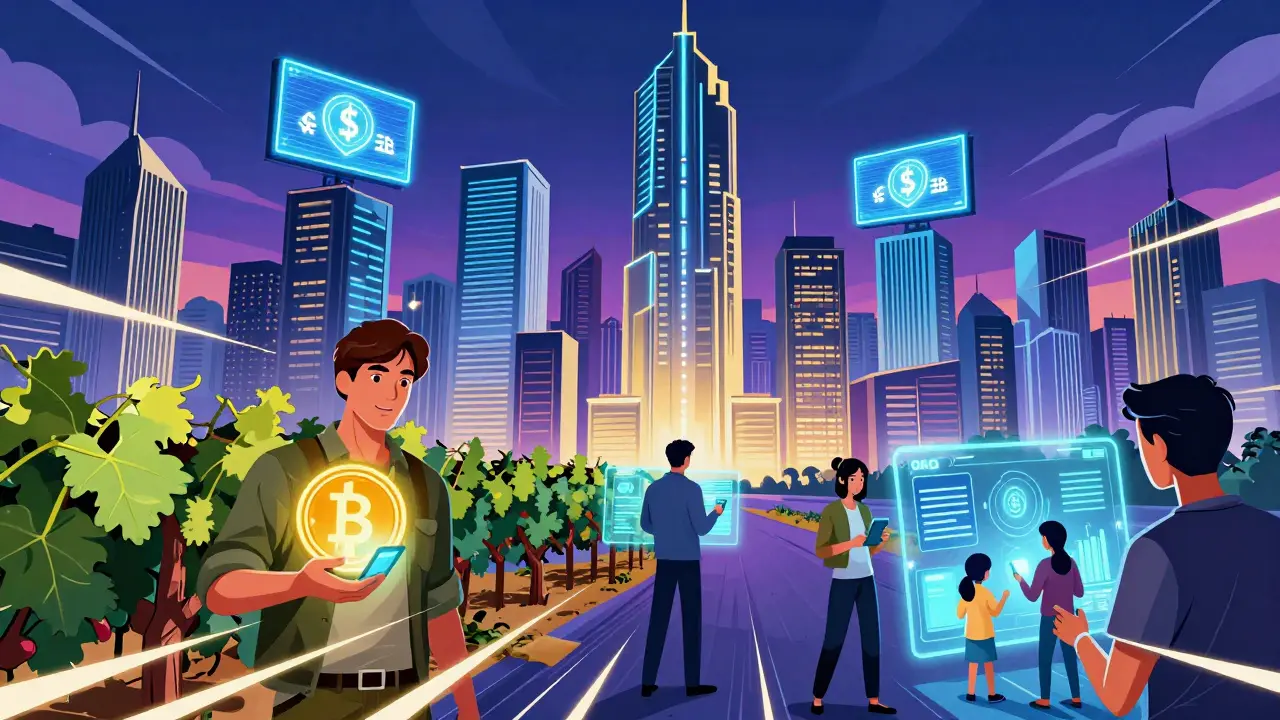
Tokenomics in 2025 is no longer about hype - it's about sustainable design that integrates regulation, real-world assets, and DeFi. Discover how blockchain economics is evolving beyond speculation into functional economic systems.