
When you trade crypto, a small fee usually goes to miners or validators. But in fee burning, the process of permanently removing tokens from circulation to reduce total supply. Also known as token destruction, it’s a core tool in modern tokenomics design—used to create scarcity and signal long-term commitment.
Fee burning isn’t just a marketing trick. It directly affects crypto supply reduction. Every time a token is burned, the total number in existence drops. That’s different from locking tokens in vesting schedules or staking pools—burned tokens vanish forever. Projects like Binance (with BNB), Ethereum (post-EIP-1559), and Solana use it to make their tokens more valuable over time. The math is simple: fewer tokens + steady demand = higher price pressure. But not all burns are equal. Some are automated, like Ethereum’s system that burns a portion of every transaction fee. Others are manual, like quarterly burns announced by teams. The most trusted ones are transparent, verifiable on-chain, and tied to real usage—not just promotional events.
What makes fee burning powerful is how it connects to deflationary token models. Unlike Bitcoin’s fixed 21 million cap, many newer tokens start with a larger supply and rely on burning to mimic scarcity. This approach works best when the token has real utility—like paying for trading fees, gas, or governance votes. If people keep using the platform, fees keep flowing in, and burns keep happening. But if usage drops, the burn rate slows, and the whole mechanism loses steam. That’s why projects with strong user activity and consistent transaction volume benefit the most. You’ll find this pattern in many of the posts below: real tokenomics isn’t about hype, it’s about predictable, verifiable economics.
You’ll see how fee burning shows up in real projects—from the automated burns in Ethereum’s base layer to the quarterly token destructions in lesser-known chains. Some of these are well-documented success stories. Others are empty promises wrapped in flashy graphics. The posts here cut through the noise. They show you which projects actually burn tokens, how often, and whether it’s making a difference. No fluff. No fake claims. Just the facts behind the numbers.
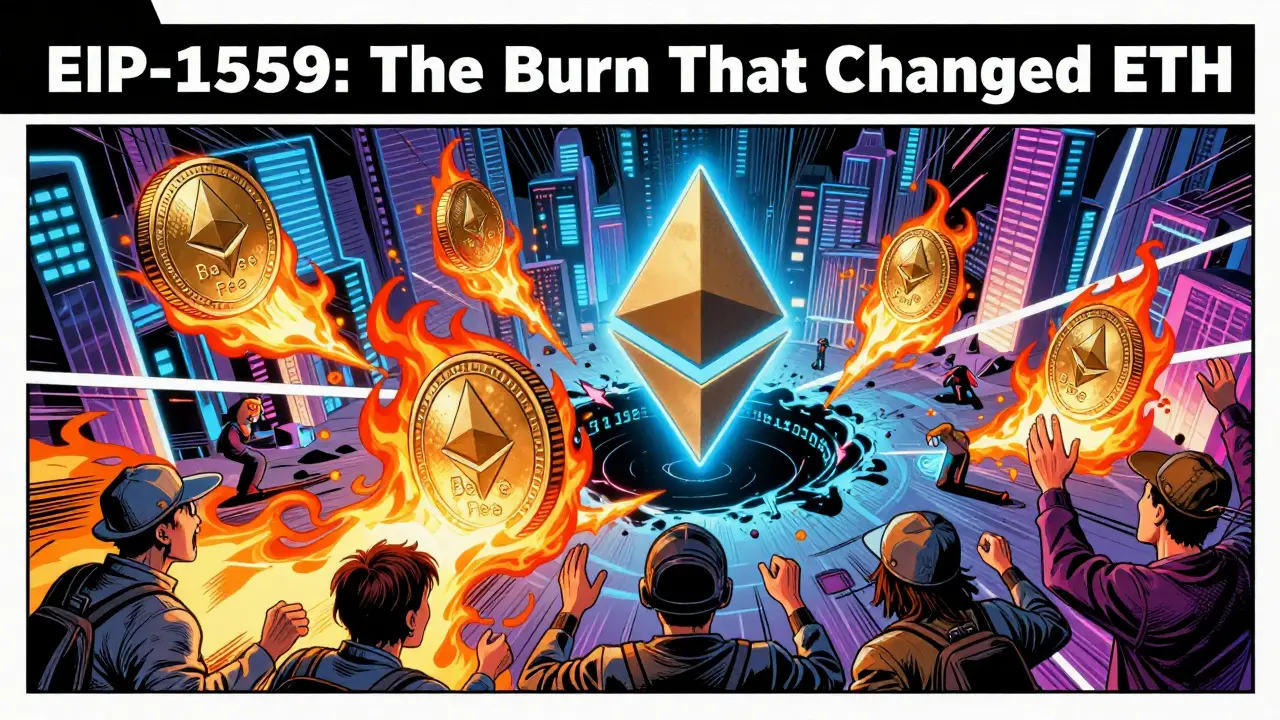
EIP-1559 revolutionized Ethereum's fee system by burning base fees, reducing supply pressure, and making transactions predictable. Over 2.5 million ETH have been burned since 2021, turning ETH into a deflationary asset during high usage.