
When you send ETH or interact with a DeFi app, you’re not just moving money—you’re paying for space on the Ethereum fee market, the dynamic system that sets how much users pay to execute transactions on the Ethereum network. Also known as gas fees, it’s what keeps the network running, but it’s also what makes some transactions feel like a lottery. Unlike banks that charge flat fees, Ethereum’s cost changes by the second. When everyone’s trading at once—like during a new NFT drop or a DeFi launch—the fee market spikes. When it’s quiet, it drops. It’s supply and demand, but for block space, not oil.
This system was designed to stop spam and reward miners (now validators) for securing the chain. But it’s not perfect. High fees during peak times made Ethereum feel expensive for everyday users. That’s why upgrades like EIP-1559 changed how fees work: instead of bidding blindly, you now pay a base fee that gets burned, plus a small tip to prioritize your transaction. The base fee adjusts automatically every block, making fees more predictable. But here’s the catch—it still depends on how busy the network is. If you’re swapping tokens on Uniswap or staking on Lido, you’re still directly affected by the Ethereum fee market. And if you’re using Layer 2s like Arbitrum or Optimism, you’re basically outsourcing your transaction to a cheaper side system because the main chain’s fee market is too volatile.
The Ethereum fee market doesn’t exist in a vacuum. It connects to blockchain economics, the study of how incentives, scarcity, and token behavior shape network behavior. When fees go up, developers look for cheaper alternatives. When they drop, users return. This cycle influences everything from which DApps get built to how wallets suggest timing for transactions. It also ties into transaction costs, the real-world price users pay to interact with decentralized systems. For many, high fees mean they can’t afford to use DeFi at all. For others, it’s just a cost of doing business. And for the network itself, it’s how security is funded—every fee is a tiny payment to keep Ethereum safe.
What you’ll find below are real breakdowns of how these fees impact users, what projects are trying to fix them, and why some tokens rise or fall based on network activity. You’ll see how fee spikes affect airdrop claims, why some exchanges restrict trading during high congestion, and how smart traders time their moves around the Ethereum fee market—not just the price chart.
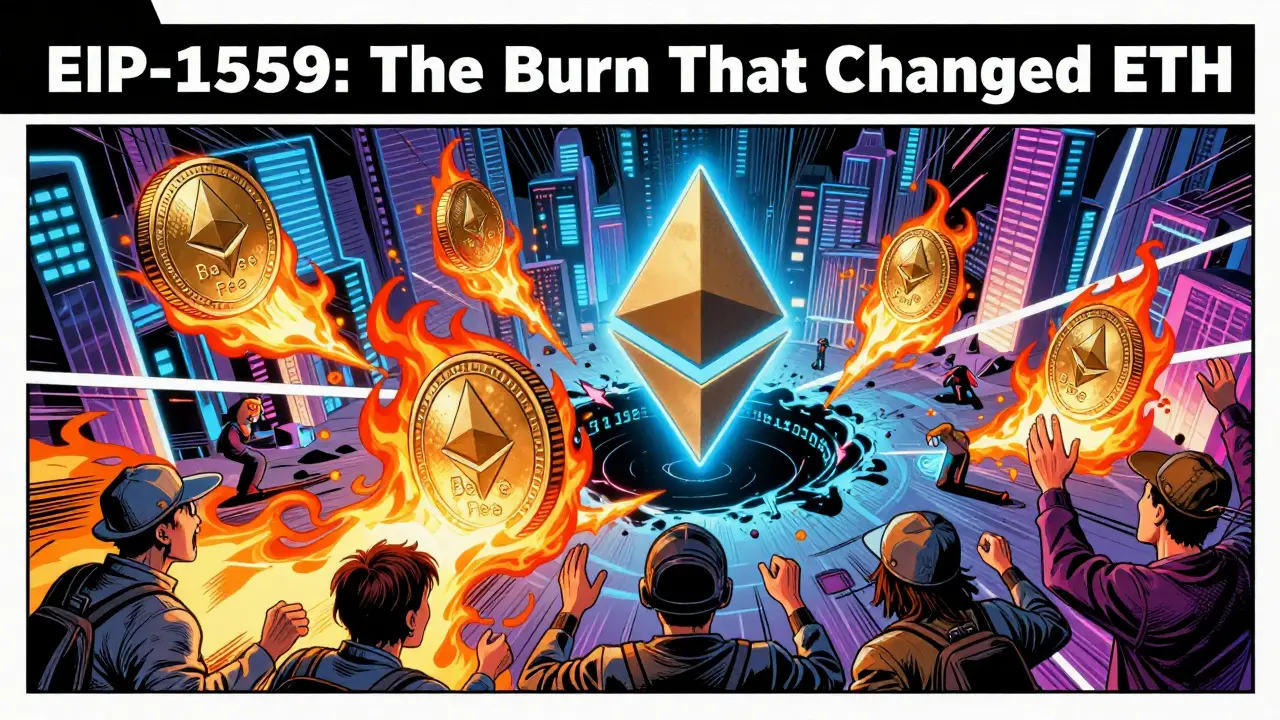
EIP-1559 revolutionized Ethereum's fee system by burning base fees, reducing supply pressure, and making transactions predictable. Over 2.5 million ETH have been burned since 2021, turning ETH into a deflationary asset during high usage.