
When you hear ETH burn, the process of permanently removing Ethereum tokens from circulation to reduce total supply. Also known as Ethereum token destruction, it’s not just a technical detail—it’s a core part of how Ethereum’s economy works today. Unlike Bitcoin, which has a fixed supply, Ethereum was designed to adjust its supply dynamically. The ETH burn started with the London Upgrade in 2021 and has since removed over 5 million ETH—worth billions at current prices. This isn’t theoretical. It’s real, measurable, and happening every single block.
What does this mean for you? If you hold ETH, you’re benefiting from a shrinking supply. Every time someone sends a transaction, a portion of the fee gets destroyed. That means fewer ETH in circulation over time. This is called deflationary crypto, a token model where supply decreases through built-in mechanisms like burning. It’s the opposite of inflationary coins that print more tokens. ETH burn turns Ethereum into a scarce asset, similar to gold, but with code enforcing scarcity. This directly affects Ethereum tokenomics, the economic rules that govern how ETH is created, distributed, and removed from the market. It’s not just about price speculation—it’s about long-term value mechanics. Projects that understand this are building on top of it: staking rewards, DeFi protocols, and even tokenized real-world assets now factor in ETH burn rates when calculating yields.
And it’s not just about supply. ETH burn changes how investors think. When more ETH is burned than minted, the network becomes net deflationary. That’s happened hundreds of times since 2021. Some months, over 10,000 ETH vanish in a single day. That’s not noise—that’s structural. It’s why institutions are watching ETH burn as closely as they watch interest rates. It’s also why scams pretending to offer "ETH burn rewards" are everywhere. They’re trying to ride the hype. Real ETH burn doesn’t pay you—it takes ETH away. And that’s the point.
Below, you’ll find deep dives into how tokenomics, exchange restrictions, and blockchain economics are all connected to this simple but powerful idea: less supply, more value. Whether you’re holding ETH, trading other tokens, or just trying to understand where crypto is headed, this is one of the most important trends you need to get right.
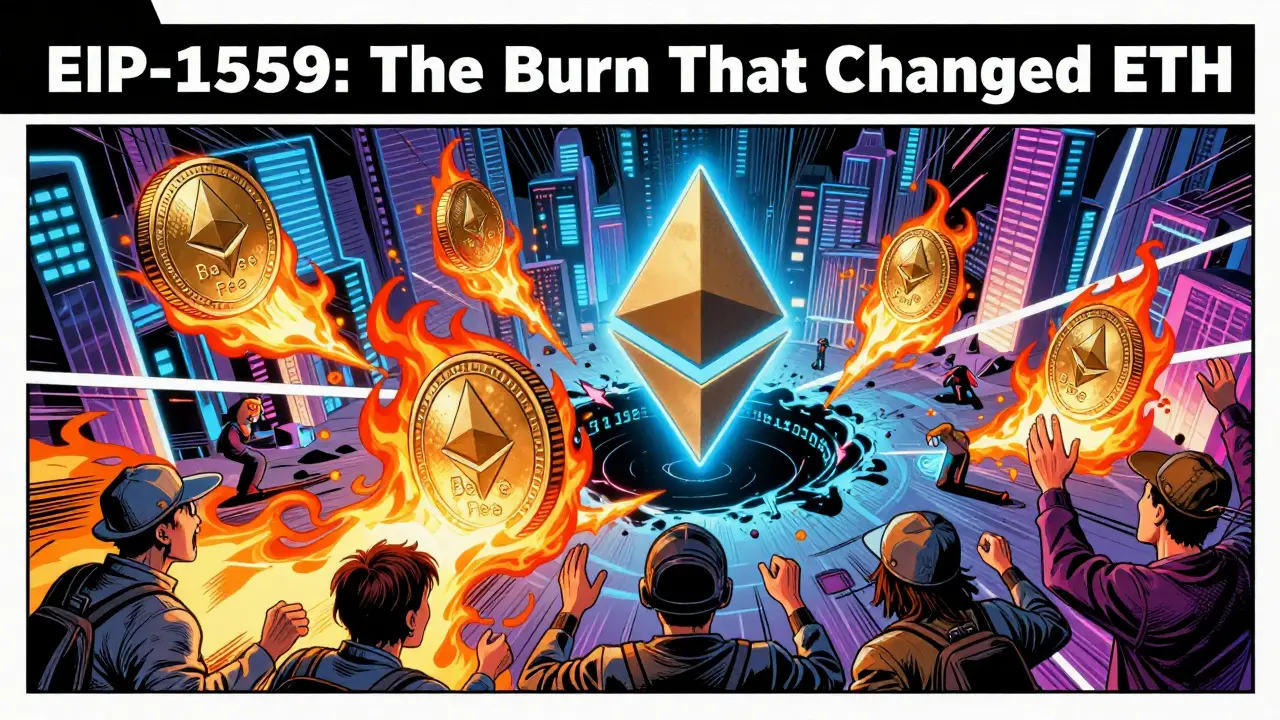
EIP-1559 revolutionized Ethereum's fee system by burning base fees, reducing supply pressure, and making transactions predictable. Over 2.5 million ETH have been burned since 2021, turning ETH into a deflationary asset during high usage.