
When you log into a website, you’re handing over your name, email, maybe even your phone number—all controlled by someone else. Blockchain identity, a system where you own and control your digital identity using cryptographic keys instead of centralized databases. Also known as decentralized identity, it’s not just a tech upgrade—it’s a reset of how trust works online. No more forgotten passwords, no more data leaks from companies getting hacked. Your identity lives on the blockchain, encrypted and under your control.
This isn’t theory. It’s already changing how people interact with crypto exchanges, DeFi apps, and even government services. Self-sovereign identity, a model where users hold their own verified credentials without relying on issuers like banks or social media platforms means you can prove you’re over 18 without showing your driver’s license. You can verify your identity for a loan without giving your entire financial history to a third party. And in places like Turkey or Vietnam, where governments restrict access to traditional banking, blockchain identity lets people participate in global finance without needing a passport or bank account.
But here’s the catch: most people still don’t use it. Why? Because it’s not seamless yet. Many crypto platforms still ask for KYC the old way. But the shift is happening. Projects are building wallets that act as your digital ID. Regulators in the EU are starting to recognize blockchain identity under MiCA rules. And in healthcare, systems are being tested to let patients control who sees their medical records—using the same tech that secures your crypto wallet.
What you’ll find below isn’t a list of buzzwords. It’s a real collection of posts that show how blockchain identity connects to everything: from tokenomics and airdrops to exchange restrictions and scams. You’ll see how fake exchanges like Hashfort and Btcwinex exploit weak identity systems. How countries like Namibia and Taiwan block crypto not because of tech, but because they can’t verify who’s using it. How projects like Ondo and Emirex use identity-linked tokens to unlock real utility. And why, if you’re trading crypto in 2025, understanding blockchain identity isn’t optional—it’s your first line of defense.
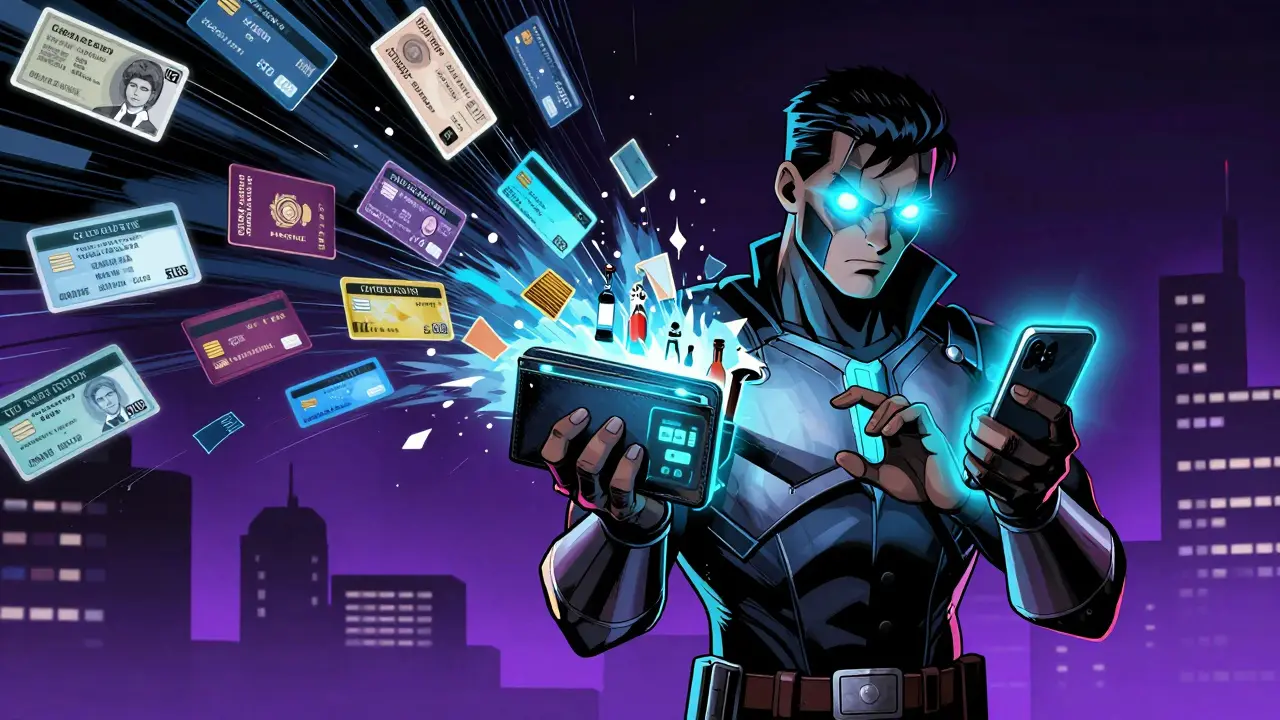
Blockchain identity authentication gives you control over your personal data, eliminates password hassles, and cuts verification times from days to seconds. It's secure, private, and already in use by governments and banks.