
When you log into a website, you're usually handing over your identity to a company that could leak it, sell it, or lose it. Blockchain authentication, a system that lets users prove who they are using cryptographic keys instead of passwords stored on central servers. Also known as decentralized identity, it removes middlemen and puts control back in your hands. This isn’t science fiction—it’s already protecting patient records in hospitals, verifying users on crypto exchanges, and helping governments comply with strict digital rules like MiCA and OFAC.
Traditional login systems rely on usernames and passwords—weak links that hackers exploit every day. Blockchain authentication flips that. Instead of trusting a company to keep your data safe, you hold your own digital keys. Your identity becomes a verifiable credential stored on a ledger, not a database. That means no more resetting passwords because a site got hacked. It also means you can prove you’re over 18, licensed to trade crypto, or eligible for healthcare services—all without handing over your full name, address, or SSN. This is why blockchain healthcare, using encrypted ledgers to secure medical records, is growing fast. Hospitals in the U.S. and EU are testing it to stop data breaches that cost billions. And it’s not just for doctors. Crypto exchanges like OraiDEX and Emirex use similar methods to verify users without storing personal info on their servers, cutting down fraud and compliance risks.
But blockchain authentication isn’t just about security—it’s about control. In countries like Turkey and Taiwan, where banks block crypto transactions, people still trade using decentralized tools because they don’t need to hand over documents to a bank. In Vietnam and Colombia, users access exchanges without KYC because their identity lives on-chain, not in a government database. Even when regulators like MAS in Singapore or OFAC in the U.S. crack down on crypto addresses, blockchain authentication helps legitimate users prove they’re not on sanctions lists without revealing private details. It’s the quiet backbone behind the most secure, privacy-first systems in crypto today.
What you’ll find below isn’t just a list of articles—it’s a real-world map of how blockchain authentication shows up in the wild. From scams pretending to be secure exchanges to healthcare projects actually using it, you’ll see where it works, where it’s ignored, and where it’s being abused. No theory. No fluff. Just what’s happening now.
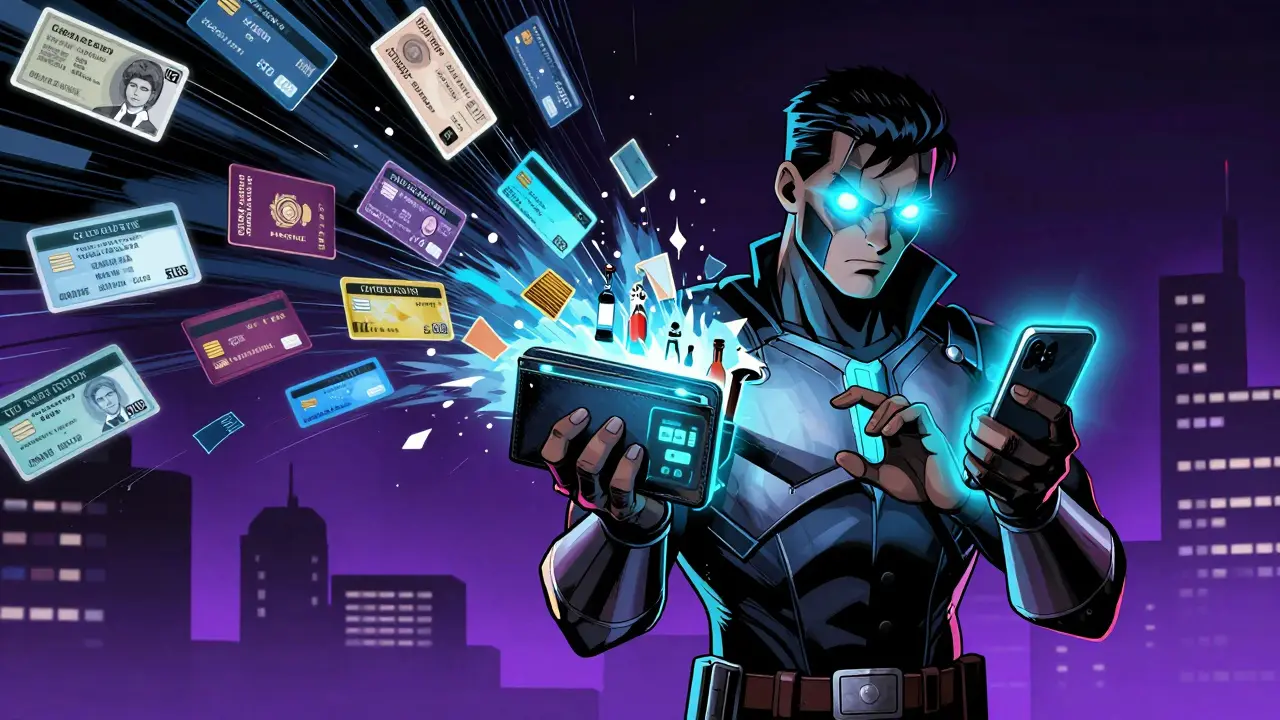
Blockchain identity authentication gives you control over your personal data, eliminates password hassles, and cuts verification times from days to seconds. It's secure, private, and already in use by governments and banks.