

Ever tried to copy a pro trader’s moves but got stuck figuring out which coin to buy or when to sell? That friction is exactly what Rai Finance aims to solve. It isn’t just another place to swap tokens; it’s a decentralized protocol that lets you mirror successful strategies automatically. But does it actually work better than the big names like Binance or Uniswap? Let’s break down how this South Korean-born project handles your money and whether the SOFI token has any real upside left.
What Is Rai Finance Exactly?
Most people search for "crypto exchange" expecting a centralized platform where they log in with an email. Rai Finance flips that script. Founded in 2020, it operates as a Decentralized Finance (DeFi) protocol rather than a traditional broker. The core idea here is social trading. In standard exchanges, you’re on your own. You pick the pair, you set the limit order, and you pray the market doesn’t dump while you sleep. Rai Finance introduces vaults that allow you to follow specific trading algorithms created by others. If a strategy says "buy ETH when the ratio drops below 0.025," the protocol executes it for you via smart contracts. This removes the emotional panic from trading and lowers the barrier for users who don’t have time to stare at charts all day.
The Tech Behind the Vaults
The magic happens through Automated Market Makers (AMMs), but with a twist. Standard AMMs like Uniswap use a constant product formula ($x \times y = k$). Rai Finance uses customizable AMMs designed to optimize profit based on asset relationships. For instance, if you deposit funds into a vault tracking an ETH/BTC strategy, the system swaps assets based on oracle-provided price ratios. When you withdraw, you get back the equivalent USD value of your initial stake plus any gains generated by the strategy. This self-balancing mechanism means you aren’t just holding volatile assets; you’re holding a position managed by code. The protocol leverages the Polkadot ecosystem for cross-chain compatibility, trying to fix the fragmentation issue that plagues many single-blockchain DeFi apps.
| Feature | Rai Finance | Binance/Coinbase | Uniswap |
|---|---|---|---|
| Trading Model | Social/Vault-based automation | Order book & manual control | Manual AMM swaps |
| User Effort | Low (set and forget) | High (active monitoring) | Medium (research required) |
| Custody | Non-custodial (Web3 wallet) | Custodial (exchange holds keys) | Non-custodial |
| Token Utility | Governance & fee discounts | Fee discounts (BNB) | Liquidity incentives |
The SOFI Token Economics
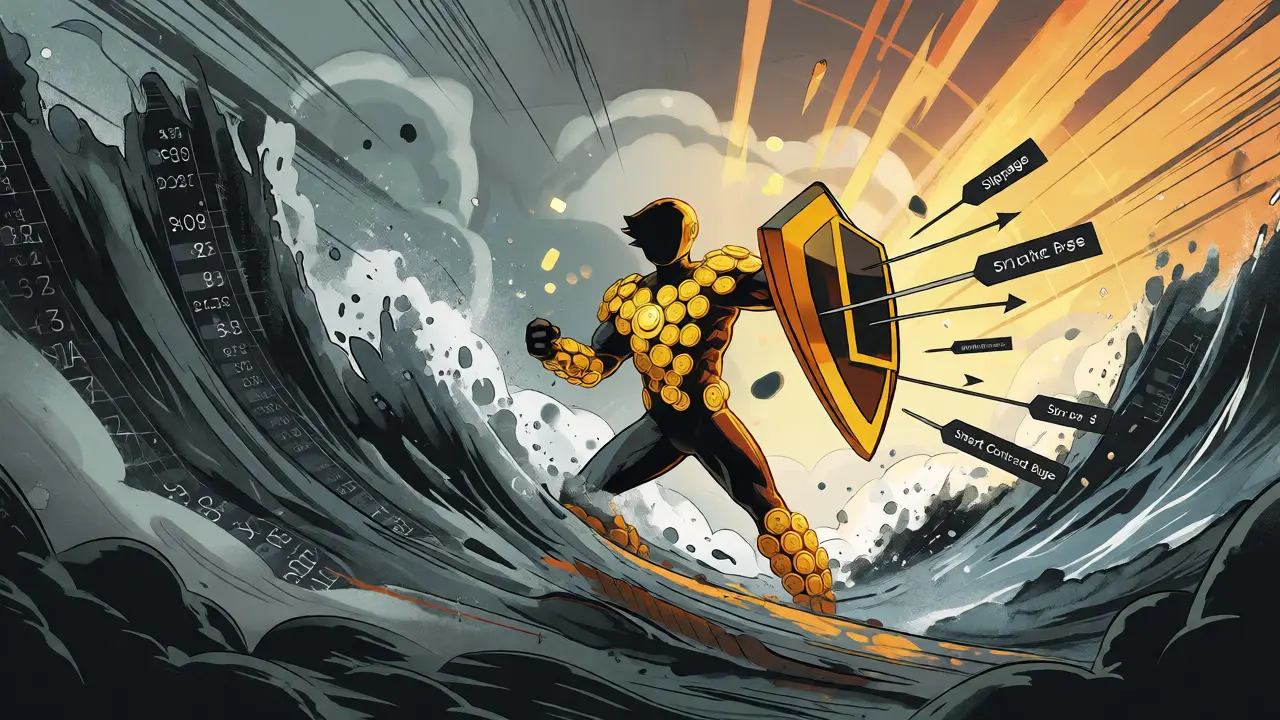
You can’t talk about the platform without discussing its native token, SOFI. As of late 2026, SOFI trades at roughly $0.000147. That sounds cheap, but don’t let the low price fool you into thinking it’s a bargain bin find. With a market cap hovering around $2 million, it’s a micro-cap asset. High risk, potentially high reward. The token serves two main purposes: governance and utility. Holders vote on critical parameters like transaction fees and liquidity mining programs. More importantly, using SOFI often reduces swap fees within the ecosystem. If you plan to interact with their vaults frequently, holding some SOFI makes financial sense. However, given the small market cap, liquidity can be thin. A large sell-off could crash the price faster than you’d see on major coins.
How to Get Started
Getting onto Rai Finance requires a bit more technical comfort than signing up for Coinbase. You won’t create a username and password. Instead, you connect a Web3 wallet like MetaMask or the Binance Web3 Wallet. Here’s the typical flow:
- Connect Wallet: Link your non-custodial wallet to the Rai Finance dApp interface.
- Fund Your Account: You’ll need stablecoins (USDT/USDC) or major assets like ETH to enter vaults. Note that gas fees vary depending on which chain you are interacting with.
- Select a Strategy: Browse the available vaults. Look for historical performance data, not just hype. Check the drawdown metrics-how much did the strategy lose during bad markets?
- Deposit Assets: Approve the transaction and wait for confirmation. Your assets are now locked in the vault, managed by the smart contract.
Community Sentiment and Risks
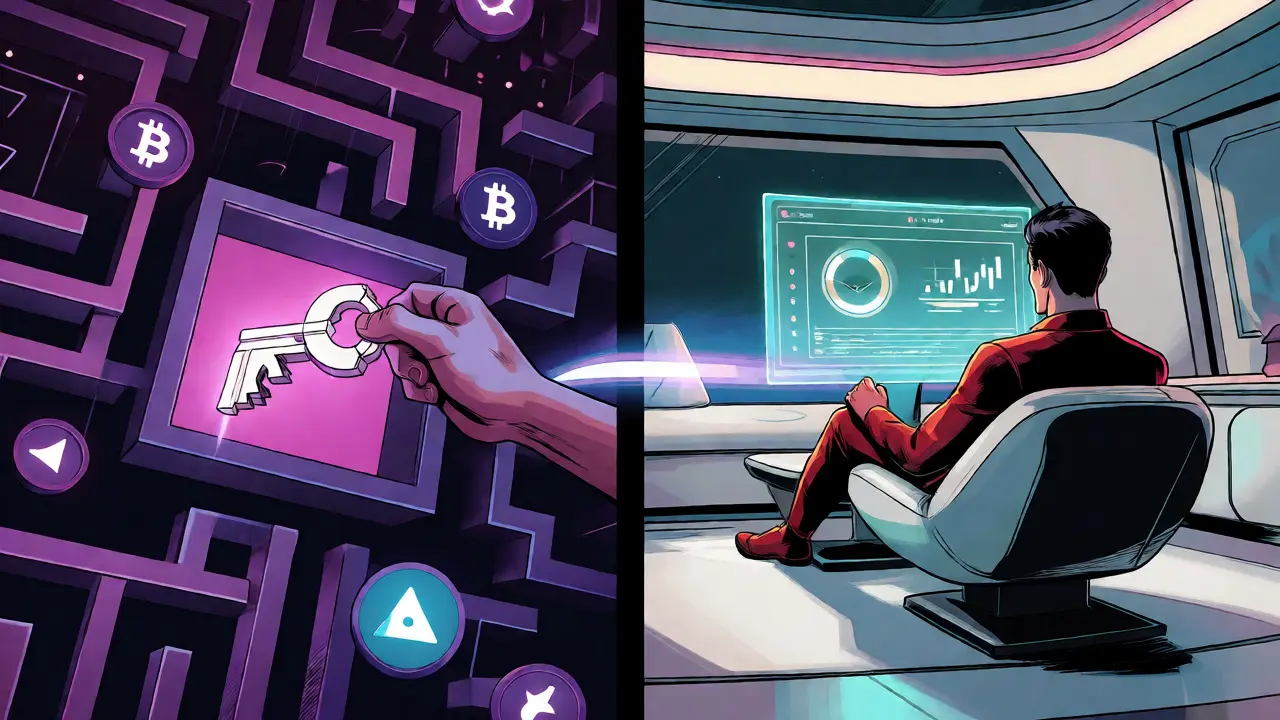
Is it safe? That’s the million-dollar question in DeFi. Community sentiment leans toward cautious optimism. Recent polls suggest about 71% of surveyed users hold bullish views, likely driven by the novelty of social trading features. Investors like NGC Ventures and GBIC backed the project early on, which adds a layer of credibility. They invested $1.5 million in 2020, signaling professional confidence in the tech stack. However, risks remain. The biggest complaint involves slippage. Because Rai Finance is smaller than giants like Uniswap, large trades can move the price against you. If you’re moving five figures, split your deposits. Another concern is complexity. Smart contracts can have bugs. While the code has been audited, the DeFi space changes fast. If a strategy fails due to a market anomaly, the automated selling might lock in losses before the price recovers. Unlike a human trader who might hold through a dip, the algorithm follows strict rules.
Final Verdict: Who Should Use It?
Rai Finance isn’t for everyone. If you want to buy Bitcoin and hold it for ten years, stick to a hardware wallet or a major exchange. If you enjoy active trading but hate staring at screens, this platform offers a compelling middle ground. It democratizes access to professional-grade strategies. The ability to automate ETH/BTC arbitrage or yield farming without coding knowledge is powerful. Just remember: past performance in a vault doesn’t guarantee future results. Treat it as a tool for diversification, not a savings account. Given its small market cap, keep expectations realistic. It’s a niche player in a crowded field, but for those interested in the intersection of social media dynamics and blockchain finance, it’s worth a look.
Is Rai Finance a centralized or decentralized exchange?
Rai Finance is a decentralized protocol. You retain custody of your private keys and interact directly with smart contracts via a Web3 wallet. There is no central authority holding your funds.
What is the SOFI token used for?
SOFI is the native governance token. It allows holders to vote on protocol upgrades, fee structures, and new feature implementations. It also provides utility benefits such as reduced transaction fees within the ecosystem.
Can I lose money in Rai Finance vaults?
Yes. While vaults aim to minimize risk through automated strategies, they are still exposed to market volatility. If the underlying assets drop significantly, the value of your deposit will decrease. Additionally, smart contract risks always exist in DeFi.
Which wallets are compatible with Rai Finance?
The platform supports standard Web3 wallets including MetaMask, Trust Wallet, and the Binance Web3 Wallet. Ensure you are connected to the correct network specified in the vault details before depositing.
Is Rai Finance good for beginners?
It depends. Beginners comfortable with connecting wallets and understanding basic DeFi concepts may find it easier than managing complex portfolios manually. However, those new to crypto entirely might find the terminology and mechanics overwhelming compared to a simple centralized exchange.