
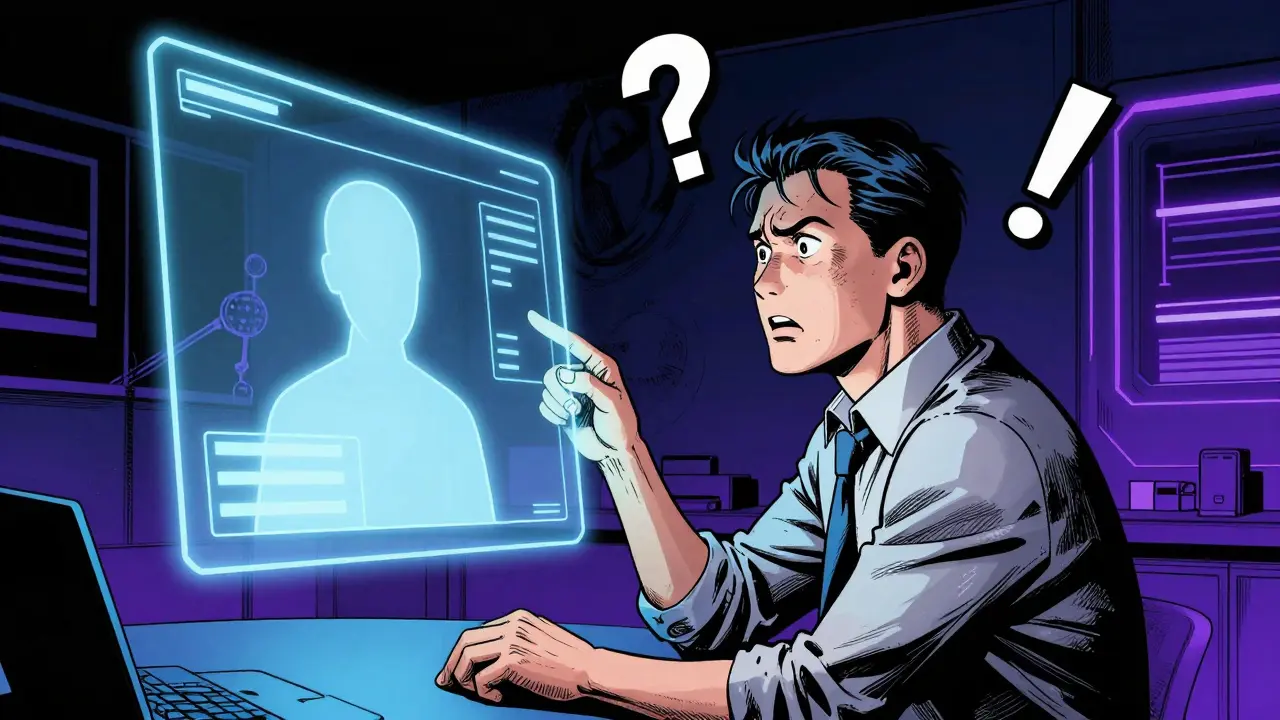
Before you move a single Satoshi into any platform, you need to know what you are dealing with. Most legitimate exchanges, whether they are global giants or local boutiques, leave a digital trail. They have LinkedIn profiles for their executives, public licenses from regulators, and a history of community engagement. DA.SG, however, operates like a ghost. If you can't find a company's physical address or a verified list of its founders, you aren't investing; you are gambling on the hope that the operators won't disappear overnight.
The Red Flags of an Invisible Exchange
When we evaluate a trading platform, we look for a few non-negotiable markers of legitimacy. Let's break down where DA.SG stands compared to industry standards. For starters, Regulatory Compliance is the bedrock of safety. In Singapore, any entity offering digital payment token services must be licensed by the Monetary Authority of Singapore (MAS). A quick check of the MAS Financial Services Directory reveals no entry for DA.SG. Without this, there is no legal oversight protecting your funds.
Then there is the issue of "Proof of Reserves." Since the collapse of several high-profile platforms in 2022, reputable exchanges now publish audited snapshots of their holdings to prove they aren't using customer funds for corporate gambling. DA.SG provides no such evidence. If a platform tells you to "trust them" without showing the math, that is usually the moment you should close the tab.
| Feature | Standard Exchange | DA.SG Status |
|---|---|---|
| MAS License | Required for SG operations | Not Found |
| Public Team Profiles | Transparent/Verified | Anonymous |
| Proof of Reserves | Regularly Audited | Absent |
| User Community | Active (Reddit/X/Discord) | Non-existent |
Comparing the Risks: Centralized vs. Decentralized
If DA.SG is presenting itself as a centralized exchange (CEX), you are essentially handing over your private keys to a third party. This is the "custodial" model. In a safe CEX, like Coinbase or Kraken, there are layers of security: multi-sig wallets, cold storage for the majority of assets, and insurance funds. With DA.SG, there is no documentation on how your assets are stored. If they keep everything in a hot wallet, a single hack wipes you out. If they are a scam, they simply stop processing withdrawals.
On the flip side, if you are tired of trusting strangers, you might look toward Uniswap. Unlike a centralized platform, a Decentralized Exchange (DEX) allows you to trade directly from your own wallet. There is no "company" to disappear because the trades are executed by Smart Contracts on the blockchain. Comparing the two is simple: with a DEX, you risk a bug in the code; with an anonymous CEX like DA.SG, you risk a total exit scam.
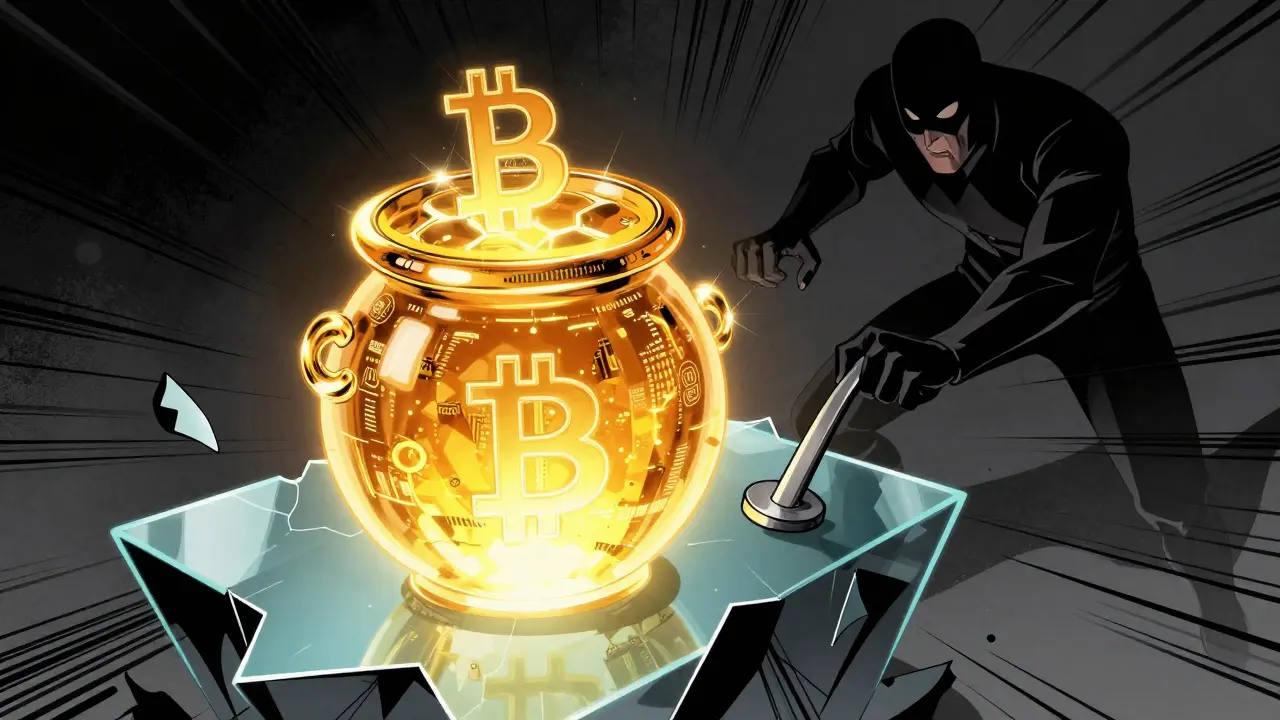
How to Spot a Crypto Honeypot
Many new, obscure exchanges use a tactic called the "Honeypot." They offer incredibly low fees, perhaps 0.01% or even 0% trading, and high bonuses for signing up. It looks like a great deal. But the goal isn't to make money on fees; the goal is to get you to deposit a large amount of capital. Once the pool of deposits reaches a certain threshold, the website goes offline, and the founders vanish.
Ask yourself: why would a company offer services for free or at a loss? Trading infrastructure is expensive. Servers, security audits, and liquidity providers cost millions. If DA.SG is offering a "premium" experience for nothing, they are likely paying for your attraction with your own future losses. Real exchanges, like Binance, have tiered fee structures because they actually have a business model to sustain.
Security Protocols You Should Demand
If you are still considering an obscure platform, check for these specific security features. If they aren't prominently listed and easy to set up, run away. First, 2FA (Two-Factor Authentication) should be mandatory, and it should be app-based (like Google Authenticator), not SMS-based, which is prone to SIM-swapping attacks. Second, look for "Whitelisting Addresses." This means the exchange will only send funds to addresses you have previously approved, preventing a hacker from draining your account even if they steal your password.
Third, check for a clear KYC (Know Your Customer) process. While many of us hate giving up our ID, a platform that asks for zero identification is often a sign that they aren't following any laws. A legitimate Singapore-based exchange will require verification to comply with Anti-Money Laundering (AML) laws. A "no-KYC" promise from a supposed corporate entity is a contradiction that should worry you.

Better Alternatives for Singaporean Traders
You don't need to risk your life savings on an unverified platform to trade crypto in Singapore. There are plenty of options that combine local accessibility with global security. For those who want a simple interface and strong regulatory backing, Coinbase is a solid choice for beginners. If you need a wider variety of altcoins and more advanced trading pairs, OKX or Bitget offer sophisticated tools without the "ghost town" feeling of DA.SG.
If you prefer to keep your assets in your own pocket, using a hardware wallet like a Ledger or Trezor in conjunction with a DEX is the gold standard. You get the benefit of the market without the risk of a centralized entity stealing your funds. In the crypto world, the phrase "Not your keys, not your coins" isn't just a meme-it's a survival guide.
Is DA.SG a legitimate crypto exchange?
Based on the current lack of regulatory registration with the Monetary Authority of Singapore (MAS), absence of a public team, and no verifiable user history, there are significant warnings against using DA.SG. It lacks the transparency and legal credentials required for a safe trading environment.
What should I do if I already deposited funds into DA.SG?
Attempt to withdraw all your funds immediately. Do not deposit more money to "unlock" a withdrawal, as this is a common scam tactic. If you cannot withdraw, document all your transactions and report the incident to the local police and the Singaporean authorities.
How can I verify if a crypto exchange is licensed in Singapore?
You should check the official Financial Services Directory on the Monetary Authority of Singapore (MAS) website. Any legitimate company operating as a digital payment token service provider in Singapore must be listed there.
What are the safest alternatives to an unknown exchange?
Stick to globally recognized platforms with high liquidity and proven security records such as Coinbase, Kraken, or Binance. For maximum security, use a decentralized exchange like Uniswap paired with a cold storage hardware wallet.
What is a 'Proof of Reserves' audit?
A Proof of Reserves (PoR) audit is a transparent report where an exchange proves it holds the actual assets of its users in reserve, rather than lending them out or spending them. It usually involves cryptographic proofs that the total amount of assets in the exchange's wallets equals or exceeds the total amount owed to customers.
Next Steps for Your Portfolio
If you are new to crypto, start by setting up a non-custodial wallet. This removes the middleman and puts you in control. If you prefer the convenience of an exchange, always check the MAS directory first. Never let a "limited time offer" or a high-yield promise cloud your judgment. If the platform feels like it's hiding something, it's because it is.
Greg Reynolds
April 21, 2026 AT 20:55The obsession with MAS licensing is cute, but people forget that most "regulated" entities are just fancy fronts for the same liquidity sinks. You're acting like a license is a magic shield when it's basically just a paid membership to a club that lets the government know who to raid first.
Robert Mosolygo
April 22, 2026 AT 23:01It is blatantly obvious that this is not just a simple scam but a coordinated effort by globalist entities to harvest metadata from retail traders. If you believe the "lack of public data" is the only red flag, you are remarkably naive. The timing of these ghost exchanges perfectly aligns with the shadow-banking cycles designed to flush out individual liquidity before the next planned market correction. They don't want your money; they want your behavioral patterns to refine their AI-driven liquidation bots. Every single one of these platforms is a node in a larger, unseen architecture of control. You aren't just gambling with your Satoshis; you are handing over your digital identity to an entity that doesn't legally exist because it is a puppet of a higher, more sinister regulatory body that laughs at the MAS.
Sarah Fisher
April 23, 2026 AT 17:57I think there's a deeper lesson here about the nature of trust in the digital age. We've moved from trusting people to trusting institutions, and now we're trying to move toward trusting mathematics via smart contracts. It's a fascinating evolution of how we perceive security.
Tony Gurley-Ward
April 25, 2026 AT 09:17Why is everyone so terrified of a little mystery? The sheer audacity of a ghost exchange is almost poetic in its nihilism. It's like a digital mirage designed to tempt the greedy and the gullible into a void of their own making. I find the whole thing absolutely scrumptious!
Jason M
April 27, 2026 AT 08:18This is such a vital warning! Please, everyone, take a moment to secure your assets. It's heart-wrenching to see people lose everything to these predators. If you're feeling overwhelmed, just remember that the first step to recovery is getting your funds out if possible!
Jennifer Taylor
April 27, 2026 AT 18:34It's a trap. They all are.
Doc Coyle
April 27, 2026 AT 23:54Common sense should tell you to avoid these. It is a moral failing to be this careless with money.
Larry Yang
April 29, 2026 AT 08:41Imagine actually needing a guide to tell you that a site with no team and no license is a scam lol. The bar for crypto investors is basically underground at this point. Absolute joke.
Lisa Camp
April 29, 2026 AT 23:48STOP BEING WEAK AND JUST MOVE YOUR STUFF TO A COLD WALLET ALREADY! GET IT DONE!
Ali Tate
April 30, 2026 AT 05:36Typical midwit analysis focusing on licenses while ignoring the raw power of liquidity flows... purely pathetic how the masses cling to these govt papers like they're holy relics
Liz Ariza
May 1, 2026 AT 13:33Stay safe everyone! 🛡️ It's so important to protect your peace and your pockets. Be gentle with yourselves if you've already made a mistake, just learn and grow! ✨💖
Benjamin Forg
May 1, 2026 AT 22:02who cares about a license when the whole system is rigged by the banks anyway its all a facade to keep us in line
Jagdish Sutar
May 2, 2026 AT 02:40Thank you for sharing this detailed breakdown. It helps a lot of people who might be newcomers to the space and don't know how to verify these platforms.
Hannah Rubia
May 3, 2026 AT 03:53I would suggest that anyone who has encountered such a platform should immediately cease all communications with the operators to avoid further social engineering tactics.
jill huyo-a
May 4, 2026 AT 18:16I've seen similar patterns with other platforms. Do you think the lack of a community is more of a red flag than the lack of a license?
Alex Wan
May 6, 2026 AT 11:33I am most definitly in agreement with the aprecause of caution heer! It is truly laementable that such predatory schemes exist to exploit the hopefull!
Yvette P
May 6, 2026 AT 14:51Oh look, another "revolutionary" exchange that conveniently forgot to implement the most basic tenets of operational transparency and regulatory adherence. How shocking. Maybe if we all just believed in the magic fairy of 0% fees we'd all be millionaires by Tuesday, right? In reality, these honeypots rely on the Dunning-Kruger effect where users think they've found a secret edge while they're actually just the exit liquidity for some guy in a basement with a VPN and a dream of stealing your life savings through a poorly coded API.
Candace Sherrard
May 7, 2026 AT 06:41It is interesting to consider how the anonymity of the blockchain, which was designed for liberation, has been weaponized to create these invisible entities that exist only as a set of URLs and a few promising slogans. We are essentially witnessing the birth of a new kind of corporate ghost, an entity that consumes value and then vanishes into the ether without leaving a single fingerprint for the authorities to find, which makes the whole concept of "security" feel almost quaint in the face of such absolute void.
Matthew Morse
May 7, 2026 AT 18:27this is just basic stuff honestly like why do people even need this explained to them
debashish sahu
May 8, 2026 AT 11:55The importance of using MAS verified platforms cannot be overstated for those of us operating in the Asian markets.
praveen subbiah
May 10, 2026 AT 09:47Our Indian traders are the most resilient and smartest in the world, we will never fall for such obvious tricks! Such a wonderful warning for the world!
Mary Tawfall
May 12, 2026 AT 02:02It's always better to be safe than sorry. I'm glad there's information out there to help people avoid these traps!
Mike Word
May 13, 2026 AT 02:05I wonder if these platforms are actually just tests by larger exchanges to see how people react to lack of data.