
Have you come across a platform called ICNCDE promising high returns on cryptocurrency trades? If so, stop and read this carefully. There is virtually no credible information about an exchange by this name in the global financial or technology sectors. In the world of digital assets, silence from reputable sources is often louder than marketing hype. It usually signals that a platform is either brand new, extremely obscure, or potentially fraudulent.
I’ve spent years analyzing how crypto markets work, from the bustling trading floors of major hubs to the quiet regulatory offices here in Wellington. When a user asks for a review of "ICNCDE," they are likely looking for one thing: safety. They want to know if their money is secure. The hard truth is that without verifiable data, regulatory licenses, or a track record, we cannot give this platform a passing grade. Instead of guessing, let’s look at why this lack of information is a red flag and what you should actually be using in 2026 to trade safely.
The Red Flags of Unknown Exchanges
In the cryptocurrency industry, transparency isn’t just a buzzword; it’s a survival mechanism. Legitimate exchanges operate under strict scrutiny. They publish regular proof-of-reserves audits, display their regulatory licenses prominently, and have thousands of independent reviews from real users. When you search for "ICNCDE crypto exchange review" and find nothing but empty pages or generic templates, several alarm bells should ring.
First, consider the domain age. Most scam platforms pop up overnight, register a cheap domain, and try to lure victims before disappearing. A quick check on WHOIS databases often reveals domains registered only weeks or months ago. Second, look at the team. Reputable firms like Coinbase or Kraken list their executives with verifiable LinkedIn profiles and industry histories. Obscure platforms often use stock photos or vague titles like "Chief Strategy Officer" without names.
Third, examine the customer support channels. Does the site offer a live chat with real humans, or just a bot? Can you reach them via phone? If the only contact method is a generic email address hosted on a free provider, that is a significant warning sign. Finally, check for community sentiment. Search social media platforms like X (formerly Twitter) or Reddit. Are people discussing positive experiences, or are there threads titled "ICNCDE withdrawal issues"? In my experience, negative feedback appears quickly if a platform is failing its users.
How to Verify Any Crypto Platform
You don’t need to be a cybersecurity expert to vet a crypto exchange. You just need a systematic approach. Before depositing a single cent into any platform-especially one with little online presence-run through this checklist.
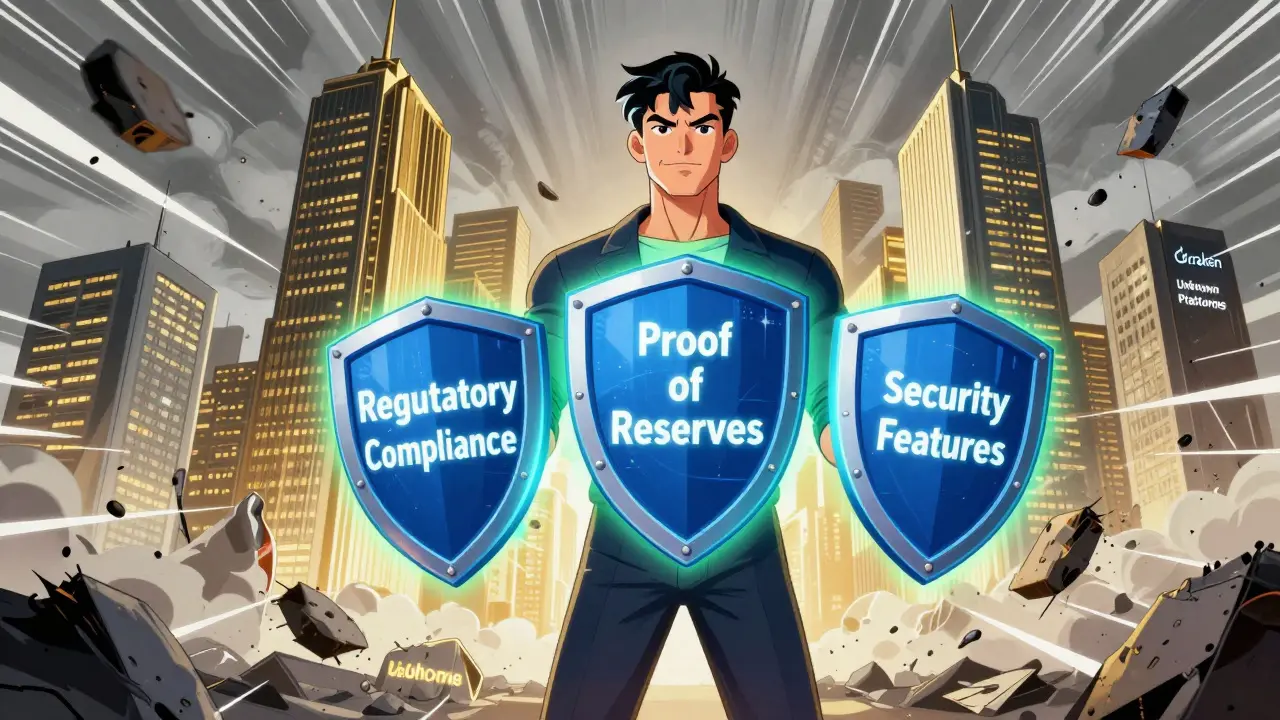
- Regulatory Status: Check if the exchange is registered with recognized bodies. In the US, look for FinCEN registration. In Europe, check MiCA compliance. In New Zealand, verify with the Financial Markets Authority (FMA). If they claim to be regulated but provide no license number, they are lying.
- Proof of Reserves: Since the collapse of FTX in 2022, proof of reserves has become non-negotiable. Legitimate exchanges publish cryptographic proofs showing they hold enough assets to cover user balances. If ICNCDE does not publish these reports, assume they do not have your money.
- Security Features: Does the platform offer two-factor authentication (2FA)? Is it hardware-key compatible (like YubiKey)? Do they store the majority of funds in cold storage (offline wallets)? If they keep most funds in hot wallets (online), they are vulnerable to hacks.
- Fees and Spreads: Hidden fees are common in shady platforms. Look for clear fee schedules. Beware of "zero fee" claims, as they often hide costs in wide bid-ask spreads.
- Liquidity: Try to place a small test order. If the price slips significantly when you buy or sell, the exchange lacks liquidity, meaning you might not be able to withdraw your funds easily.
If ICNCDE fails even two of these checks, walk away. Your capital is too valuable to risk on unverified entities.
Safe Alternatives for Trading in 2026
Instead of risking your savings on an unknown entity, consider established platforms that have survived market crashes, regulatory crackdowns, and security threats. These exchanges offer robust infrastructure, insured custody solutions, and transparent operations.
| Feature | Established Exchanges (e.g., Coinbase, Kraken) | Unknown/Obscure Platforms (e.g., ICNCDE) |
|---|---|---|
| Regulatory Compliance | Registered with global financial authorities | No visible licenses or anonymous ownership |
| Proof of Reserves | Regularly audited by third-party firms | No public audit trails |
| User Base | Millions of verified users worldwide | Little to no verifiable user activity |
| Security History | Transparent incident reporting and insurance | Unknown security protocols |
| Customer Support | 24/7 multi-channel support | Often non-existent or automated only |
Here are three top-tier alternatives that cater to different needs:
Coinbase: Ideal for beginners. As a publicly traded company on the NASDAQ, Coinbase is subject to strict financial reporting standards. They offer easy fiat on-ramps, educational resources, and insured custodial services. While fees can be higher than some competitors, the peace of mind is worth it for new investors.
Kraken: Best for security-conscious traders. Founded in 2011, Kraken has never been successfully hacked. They offer advanced trading tools, staking rewards, and excellent customer support. Their focus on privacy and security makes them a favorite among experienced crypto holders.
Binance: Suitable for high-volume traders. Despite facing regulatory challenges in various jurisdictions, Binance remains the largest exchange by volume. They offer a vast array of cryptocurrencies, low fees, and sophisticated trading features. However, always ensure you are using the compliant local version of the platform available in your region.
Understanding Common Crypto Scams
Why do platforms like ICNCDE exist? They prey on hope and fear. Here are three common schemes you need to recognize:
The Pump-and-Dump: Scammers promote a specific token or exchange on social media, driving up the price artificially. Once early investors buy in, the scammers sell their holdings, causing the price to crash. Victims are left with worthless assets. Always be skeptical of unsolicited advice from influencers or Telegram groups.
The Fake App: Fraudsters create counterfeit apps that mimic legitimate exchanges. These apps may show fake profits to encourage you to deposit more money. However, when you try to withdraw, the app will demand "taxes" or "fees" that never lead to a payout. Never download apps from unofficial sources; always use official app stores.
The Phishing Site: Hackers create websites that look identical to popular exchanges, differing only by a slight misspelling in the URL (e.g., coinbase.com vs. coinbaze.com). They trick users into entering their login credentials and private keys. Always bookmark the official URLs of your exchanges and check for HTTPS encryption.
Protecting Your Assets: Best Practices
Even if you use a reputable exchange, you must take personal responsibility for your security. The golden rule of crypto is: "Not your keys, not your coins." This means that if your assets are held on an exchange, you do not fully control them. For long-term storage, move your cryptocurrencies to a self-custody wallet.
Hardware Wallets: Devices like Ledger or Trezor store your private keys offline, making them immune to online hacks. Purchase these directly from the manufacturer to avoid tampered units. Use them to store Bitcoin, Ethereum, and other major assets you plan to hold for months or years.
Software Wallets: For smaller amounts or frequent trading, software wallets like MetaMask or Trust Wallet offer convenience. Ensure you back up your seed phrase (the 12-24 word recovery code) on paper and store it in a safe place. Never digitize your seed phrase; screenshots and cloud notes are vulnerable to hacking.
Enable All Security Features: On any exchange you use, enable two-factor authentication (2FA). Avoid SMS-based 2FA if possible, as SIM swapping attacks are common. Use an authenticator app like Google Authenticator or Authy instead. Additionally, set up withdrawal whitelists, which restrict where funds can be sent to known addresses only.
What to Do If You Suspect a Scam
If you have already deposited funds into ICNCDE or a similar unknown platform and suspect foul play, act immediately. Time is critical.
- Stop Further Deposits: Do not send more money, even if they promise to release your funds upon payment of a "fee." This is a secondary scam.
- Gather Evidence: Take screenshots of all communications, transaction hashes, website URLs, and account details. Preserve emails and chat logs.
- Contact Your Bank: If you funded the account via bank transfer or credit card, contact your financial institution immediately. Request a chargeback or recall of funds. Success rates vary, but it is worth trying.
- Report to Authorities: File a report with your local consumer protection agency. In the US, report to the FTC and FBI’s Internet Crime Complaint Center (IC3). In New Zealand, report to the Police and the Financial Markets Authority. In the EU, use the European Consumer Centre network.
- Warn Others: Share your experience on social media and review sites. This helps prevent others from falling victim to the same scheme.
Recovering lost crypto is difficult because transactions are irreversible on the blockchain. However, reporting scams helps law enforcement build cases against criminal organizations.
The Future of Crypto Regulation
As we move through 2026, the regulatory landscape continues to tighten. Governments worldwide are implementing stricter rules for crypto exchanges. The EU’s Markets in Crypto-Assets (MiCA) regulation is now fully enforced, requiring all service providers to obtain licenses. The US is seeing increased action from the SEC and CFTC against unregistered platforms. Asia is also moving towards clearer frameworks, with countries like Japan and Singapore leading the way.
This shift benefits honest operators but hurts illicit ones. Platforms that cannot comply with KYC (Know Your Customer) and AML (Anti-Money Laundering) laws will be shut down or blocked. This is another reason to avoid obscure exchanges like ICNCDE. They are likely operating in a legal gray area, which puts your funds at extreme risk of seizure or loss.
Choose platforms that embrace regulation rather than evade it. Your safety depends on it.
Is ICNCDE a legitimate crypto exchange?
There is no credible evidence that ICNCDE is a legitimate or regulated crypto exchange. The lack of online presence, regulatory licenses, and user reviews suggests it may be a scam or an unverified platform. Users should exercise extreme caution and avoid depositing funds.
How can I tell if a crypto exchange is a scam?
Look for red flags such as missing regulatory licenses, anonymous team members, poor customer support, unrealistic profit promises, and negative user reviews. Always verify proof of reserves and check domain age. If something feels off, it probably is.
What are the safest crypto exchanges to use in 2026?
Reputable exchanges include Coinbase, Kraken, and Binance. These platforms are regulated, have millions of users, publish proof of reserves, and offer strong security features like two-factor authentication and cold storage.
Should I use a hardware wallet for my crypto?
Yes, for long-term storage. Hardware wallets like Ledger or Trezor keep your private keys offline, protecting them from online hacks. This is the safest way to store significant amounts of cryptocurrency.
What should I do if I lose money to a crypto scam?
Stop sending money, gather all evidence, contact your bank to request a chargeback, and report the scam to local authorities and relevant financial regulators. Warn others online to prevent further victims.