
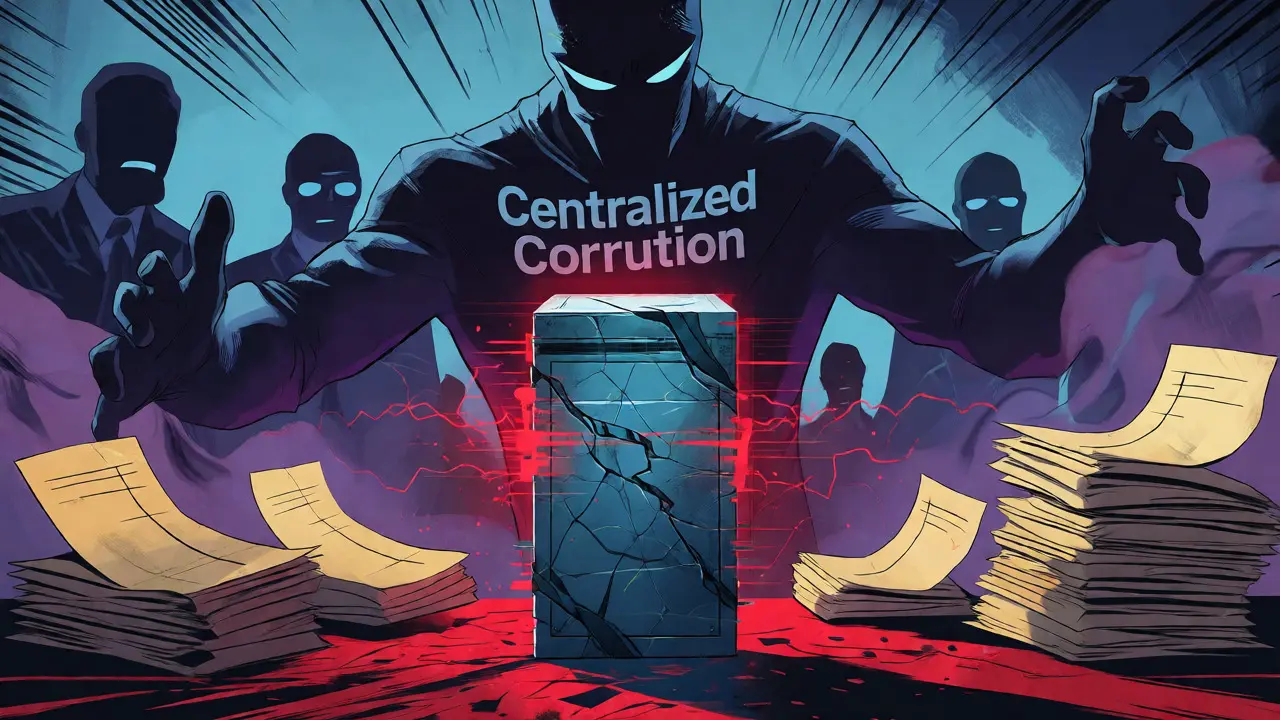
Imagine casting your vote and knowing with absolute certainty that no one-no politician, no hacker, no central authority-can change it after you hit submit. That’s the promise of blockchain technology in elections. For decades, we’ve trusted paper ballots or centralized electronic systems, but both have cracks. Paper can be lost or miscounted; central servers can be hacked or manipulated. Blockchain flips this model by creating a decentralized, tamper-proof ledger where every vote is a permanent, verifiable record.
This isn’t just theoretical hype. As we move deeper into 2026, pilot projects across the globe are testing how distributed ledgers can fix some of the oldest problems in democracy: trust, transparency, and security. But does blockchain actually work for voting? And if so, how does it stop fraud without turning our democratic process into a tech support nightmare? Let’s break down exactly how this technology safeguards election integrity, what makes it different from traditional methods, and why it matters for the future of voting.
The Core Problem with Traditional Voting Systems
To understand why blockchain matters, you first need to see where current systems fail. Most modern democracies rely on two main types of voting: physical paper ballots and centralized electronic voting machines (EVMs). Both have vulnerabilities.
Paper ballots are tangible, which builds trust, but they’re slow to count and prone to human error during tallying. Worse, once votes are collected, they often pass through multiple hands-from local polling stations to regional centers to national tabulators. At each step, there’s a risk of mishandling, loss, or intentional manipulation. If a single batch of ballots goes missing in a close race, proving whether it was an accident or sabotage becomes nearly impossible.
Centralized EVMs solve the speed issue but introduce new risks. These machines usually store votes on internal hard drives or send them to a central server. If that server is compromised-or if the software has a bug-millions of votes could be altered silently. There’s rarely a way for voters to independently verify that their specific vote was counted correctly. You essentially have to trust the system blindly.
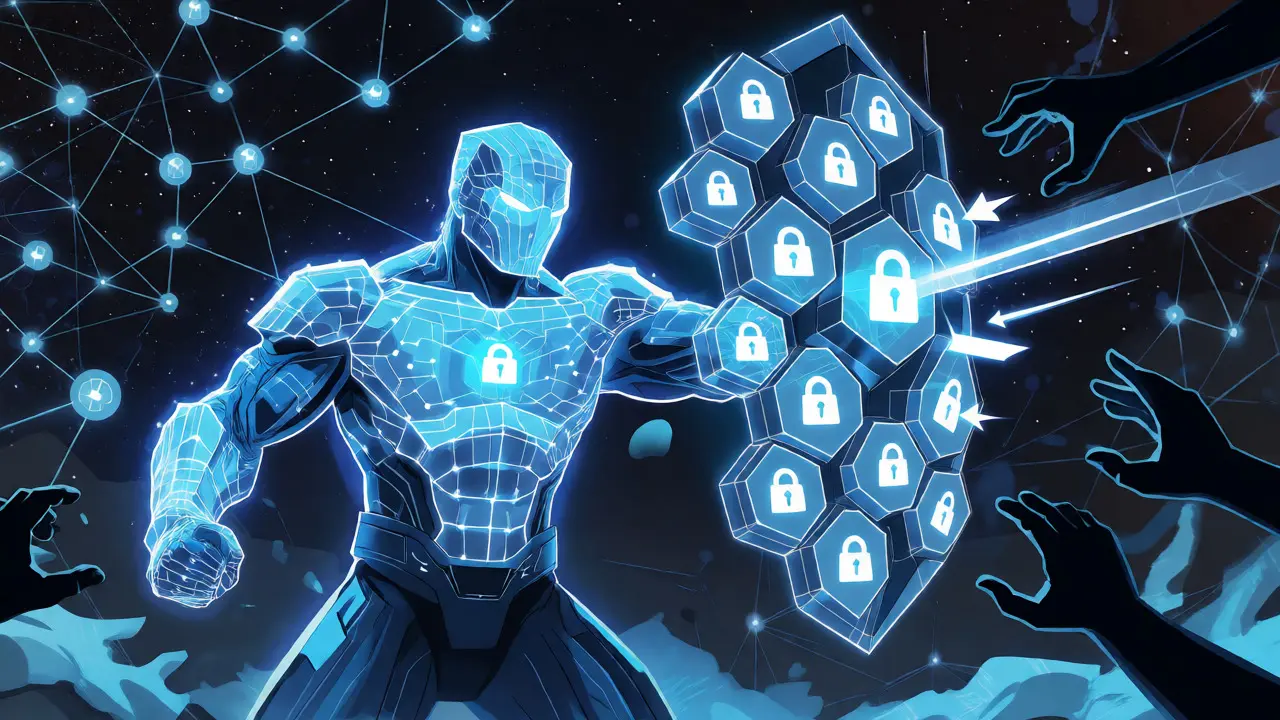
Blockchain voting addresses these flaws by removing the need to trust a single entity. Instead of one central database, the ledger is copied across thousands of computers worldwide. To change a vote, a hacker would need to compromise more than half of these nodes simultaneously-a feat that is computationally impractical for most networks.
How Blockchain Secures Every Vote
So, how does it actually work? When you cast a ballot on a blockchain-based system, several technical layers kick in to ensure integrity. It’s not magic; it’s cryptography and consensus mechanisms working together.
First, identity verification happens before you even vote. Most robust systems use biometric authentication or KYC-backed digital IDs linked to the blockchain. This ensures that one person equals one vote, preventing duplicate voting without exposing your personal data to the public ledger. Your biometric data stays private; only a cryptographic hash (a unique fingerprint) is recorded.
Next comes the vote itself. When you select your candidate, the transaction is encrypted using end-to-end encryption protocols. This means the vote is scrambled from the moment it leaves your device until the final tally is calculated. No intermediary-not even the system administrators-can peek at who you voted for while it’s in transit.
Once encrypted, the vote is packaged into a "block." This block contains a timestamp, the encrypted vote data, and a reference to the previous block. This chain structure is crucial. Because each block is mathematically linked to the one before it, altering a past vote would require recalculating every subsequent block in the chain. In a network with thousands of nodes, this requires immense computational power, making retroactive changes practically impossible.
Finally, the block is broadcast to the network. Nodes validate the transaction using consensus algorithms like Proof of Stake (PoS) or Practical Byzantine Fault Tolerance (PBFT). Once validated, the vote is added to the immutable ledger. "Immutable" means it cannot be deleted or edited. If a voter wants to change their mind, they typically have to cast a new vote, which overwrites the previous status in the tally, but the original record remains visible for audit purposes.
Smart Contracts: The Automated Referees
One of the most powerful features of blockchain voting is the use of smart contracts. Think of these as self-executing code stored on the blockchain. They automatically enforce the rules of the election without human intervention.
In a traditional election, humans manually check eligibility, count votes, and declare results. Smart contracts automate this. For example, a smart contract can be programmed to accept votes only from registered wallet addresses within a specific time window. If someone tries to vote twice, the contract rejects the second attempt instantly. If the election ends at 8:00 PM, the contract stops accepting inputs at 8:00:01 PM sharp.
This automation reduces human error and potential bias. There’s no official who might accidentally misread a handwritten ballot or get tired late in the night. The code runs consistently for every single voter. Furthermore, because the code is open-source and visible on the blockchain, independent auditors can review the logic before the election begins. If the code says "one vote per ID," then that’s exactly what happens.
Transparency vs. Privacy: Solving the Paradox
Critics often ask: "If everything is on a public ledger, won’t everyone know how I voted?" This is a valid concern. In Bitcoin, transactions are pseudonymous but traceable. For voting, we need total anonymity combined with total transparency.
Blockchain voting systems solve this paradox using advanced cryptographic techniques like zero-knowledge proofs (ZKPs) and homomorphic encryption. ZKPs allow the system to prove that a vote is valid (e.g., "this voter is eligible") without revealing who the voter is. Homomorphic encryption allows calculations to be performed on encrypted data. The system can add up all the encrypted votes to produce a final tally without ever decrypting individual ballots.
This means you can verify that your vote was included in the final count using a unique receipt or hash, but you cannot reveal it to others easily. This prevents vote buying, as you can’t prove to a briber how you voted, yet you retain confidence that your voice was heard.
Comparing Blockchain to Traditional Methods
Let’s look at how blockchain stacks up against paper and standard electronic voting. The differences are stark when viewed through the lens of security and auditability.
| Feature | Paper Ballots | Centralized Electronic Voting | Blockchain Voting |
|---|---|---|---|
| Immutability | Low (physical alteration possible) | Medium (database admin can edit) | High (cryptographically locked) |
| Transparency | Low (manual recount needed) | Low (black-box software) | High (public ledger verification) |
| Voter Verification | None (trust the counter) | Limited (receipts vary) | End-to-End Verifiability |
| Single Point of Failure | Yes (central counting hub) | Yes (central server) | No (distributed nodes) |
| Audit Speed | Slow (days/weeks) | Moderate (software logs) | Real-time |
The key takeaway here is decentralization. In paper and centralized systems, if the central authority fails or acts maliciously, the whole election is compromised. In blockchain, the authority is distributed among the network participants. Even if one node goes offline or is corrupted, the rest of the network maintains the correct state.
Real-World Challenges and Implementation Hurdles
If blockchain is so great, why aren’t we all voting on it today? Because implementation is hard. Technology alone doesn’t build trust; infrastructure and education do.
First, there’s the user experience. Not everyone is comfortable managing digital keys or understanding cryptographic hashes. If voting feels complicated, turnout drops. Early pilots showed that older demographics struggled with mobile apps requiring complex login procedures. Solutions now focus on simplified interfaces where the blockchain complexity is hidden behind familiar buttons, but the backend still handles the heavy lifting.
Second, scalability is a major concern. National elections involve millions of voters. If every vote is a transaction on the blockchain, the network needs to handle massive throughput without clogging. Ethereum, for instance, faces congestion issues unless Layer 2 scaling solutions are used. Election-grade blockchains are often custom-built or permissioned to optimize for speed rather than decentralization breadth.
Third, regulatory frameworks lag behind. Laws in many countries, including New Zealand, define "voting" in ways that assume physical presence or specific paper trails. Updating legislation to recognize smart contracts and digital signatures as legally binding takes time. Additionally, cybersecurity experts worry about endpoint vulnerabilities. While the blockchain itself is secure, the device you vote on (your phone or computer) could be infected with malware that alters your choice before it’s sent.

The Future of Digital Democracy
We are currently in a transition phase. Countries like Estonia have integrated blockchain components into their e-governance systems, though full national voting remains hybrid. Pilot programs in Sierra Leone and various US states have tested blockchain for specific referendums or party primaries.
The trend is moving toward hybrid models. Imagine a scenario where you can vote online via a blockchain-backed app for convenience, but also drop a paper ballot at a polling station. Both feed into the same secure ledger. This bridges the gap between tech-savvy users and those who prefer traditional methods.
For election integrity, the biggest win isn’t just anti-hacking-it’s auditability. Independent observers can monitor the blockchain in real-time. They don’t need to wait weeks for certified results. They can watch blocks being added, verify the math, and confirm that the number of valid transactions matches the number of registered voters. This level of oversight reduces conspiracy theories and increases public confidence.
As we look toward the next decade, expect to see more integration of AI-driven monitoring tools alongside blockchain. These tools will flag anomalies in voting patterns instantly. However, the core principle remains: trust should be earned through mathematics and transparency, not just institutional reputation.
Frequently Asked Questions
Can blockchain voting be hacked?
The blockchain ledger itself is extremely difficult to hack because altering a record requires changing every subsequent block across the majority of the network. However, the "endpoints"-the devices voters use to cast their votes-are vulnerable. Malware on a voter's smartphone could potentially alter a selection before it is encrypted and sent to the blockchain. Therefore, securing the user's device is just as critical as securing the ledger.
Is my vote anonymous on a blockchain?
Yes, if implemented correctly. While the transaction record is public, the link between the voter's identity and the vote is broken using cryptographic techniques like zero-knowledge proofs. The system proves that an eligible person voted, but it does not reveal *who* that person was on the public ledger. Your personal data remains off-chain or encrypted, ensuring privacy while maintaining transparency.
What happens if I lose my digital key or password?
In many government-grade implementations, you don't manage raw cryptographic keys yourself. Instead, you log in using a verified digital ID (like a government-issued e-ID or biometric scan). If you lose access to your device, you can re-authenticate using your official credentials. The system relies on identity verification protocols rather than complex private key management for the average voter.
Does blockchain voting increase voter turnout?
Potentially, yes. By allowing remote voting via smartphones or computers, blockchain removes logistical barriers such as travel time, long queues, or lack of accessibility for people with disabilities. Studies from early pilots suggest that convenience factors significantly boost participation rates, particularly among younger demographics and expatriates living abroad.
Why isn't every country using blockchain voting yet?
Several hurdles remain: high infrastructure costs, the need for reliable internet access in rural areas, legal frameworks that haven't caught up with digital signatures, and public skepticism. Governments are cautious about switching critical infrastructure without extensive testing. Most nations are currently running small-scale pilots to assess stability and public acceptance before committing to nationwide rollout.
Key Takeaways
- Immutability: Votes recorded on a blockchain cannot be altered or deleted once confirmed, preventing retroactive manipulation.
- Decentralization: Removing the single point of failure makes it exponentially harder for any single entity to control or corrupt the outcome.
- Verifiability: Voters can independently verify their vote was counted, and observers can audit the entire process in real-time.
- Privacy: Advanced cryptography ensures that while the count is transparent, individual voter choices remain confidential.
- Challenges: Successful adoption depends on user-friendly interfaces, robust cybersecurity at the device level, and updated legal regulations.