
You’ve probably seen the buzz around DeFiHorse, a decentralized finance project promising rewards through its DFH token airdrop campaign. The idea is simple: you perform specific tasks, and in return, you get free cryptocurrency tokens. It sounds like an easy win, but the reality of crypto airdrops is much messier. Many projects promise the world and deliver nothing, or worse, they are scams designed to steal your wallet data.
If you are looking for the exact snapshot date, the specific claim link, or the guaranteed amount of DFH tokens you will receive, I have bad news. As of May 2026, there is no verified, official public documentation confirming the final terms of this specific campaign. This lack of transparency is a major red flag that every participant needs to understand before clicking any links.
What Is the DeFiHorse (DFH) Project?
To understand the risk, you first need to understand the asset. DeFiHorse operates within the decentralized finance (DeFi) sector, likely built on a blockchain network such as Ethereum, BNB Chain, or Solana. These networks handle billions of dollars in transactions daily. The project aims to distribute its native utility token, DFH, to early adopters to build community engagement and liquidity.
In theory, this works well. Projects like Uniswap and Arbitrum gave away millions of dollars in tokens to users who interacted with their platforms early on. However, these were established protocols with clear smart contracts and audited code. Newer or less transparent projects often use "campaigns" to gather social media followers rather than genuine protocol usage. You need to distinguish between a legitimate ecosystem reward and a marketing gimmick.
The Problem with Missing Official Details
The most critical issue with the current DeFiHorse narrative is the absence of verifiable data. Legitimate airdrops provide:
- Snapshots: A specific block height or timestamp where eligibility is calculated.
- Smart Contract Addresses: The exact wallet address where tokens are held or distributed.
- Audit Reports: Verification by firms like CertiK or OpenZeppelin proving the code is safe.
- Official Announcements: Posts from verified handles on platforms like X (formerly Twitter) or Telegram.
Without these elements, you are operating in the dark. If you cannot find a direct link from the project’s official website to a whitepaper or a live dashboard showing your potential allocation, proceed with extreme caution. Relying on third-party blogs or unverified Telegram groups is how most people lose funds.
How Typical Crypto Airdrop Campaigns Work
Even without specific DeFiHorse details, most modern airdrop campaigns follow a predictable pattern. Understanding this workflow helps you identify if a request is normal or suspicious.
- Wallet Connection: You connect a Web3 wallet like MetaMask, Phantom, or Trust Wallet. This allows the site to read your public address. Never share your private key or seed phrase.
- Task Completion: You might be asked to follow social accounts, join a Discord server, or bridge assets across chains using tools like LayerZero or Wormhole.
- Snapshot Period: The project records who completed tasks during a set window. For example, Midnight Network’s NIGHT token had a strict claim period from August to October 2025. Missing this window meant missing out entirely.
- Claim Phase: Eligible users visit a specific portal to sign a transaction claiming their tokens. This costs gas fees.
If the DeFiHorse campaign asks you to send money upfront to "verify" your eligibility, it is a scam. Legitimate airdrops never require you to pay to receive them.
Red Flags to Watch For in the DeFiHorse Campaign
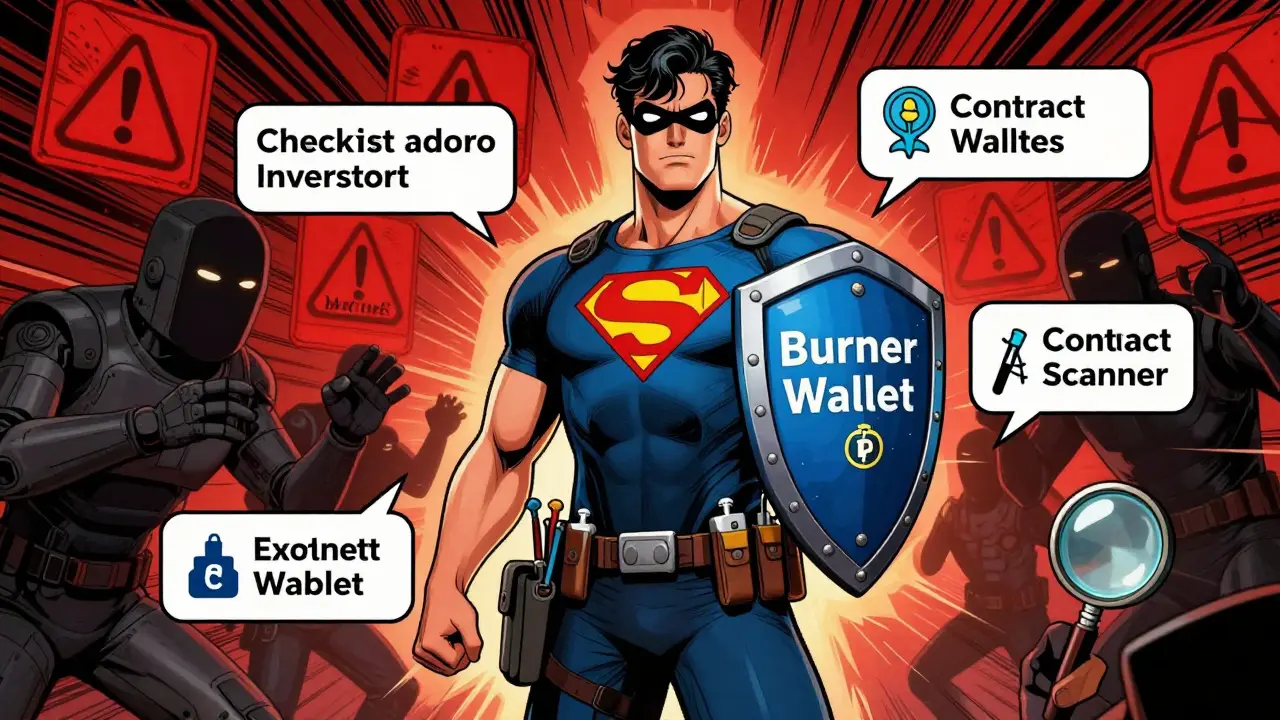
Before you spend time connecting your wallet, run this checklist against whatever information you currently have about DeFiHorse.
| Check Item | Safe Indicator | Danger Signal |
|---|---|---|
| Website Domain | Matches official social media links exactly | Misspelled URLs (e.g., defihorse-airdrop.com vs defihorse.io) |
| Token Contract | Verified on Etherscan/Solscan/BscScan | No contract address provided or it looks randomly generated |
| Community Size | Active Discord/Telegram with real discussions | Bots posting generic comments; no admin responses |
| Team Identity | Doxed founders or reputable investors | Anonymous team with no track record |
| Gas Fees | Standard network fees | Requests for unusually high ETH/SOL payments |
One of the biggest risks in 2026 is the rise of "honeypot" tokens. These are tokens you can buy but cannot sell because the smart contract restricts transfers to only the developer's wallet. If you claim DFH tokens and see them in your wallet but cannot swap them on Uniswap or Raydium, check the contract source code immediately.
How to Verify Authenticity Yourself
Don’t trust influencers. Trust the code. Here is how you can independently verify if the DeFiHorse campaign is real.
First, go to the official social media channels. Look for pinned posts. If the main Twitter account has fewer than 10,000 followers and the engagement looks fake (bots liking posts), move on. Second, search for the DFH token symbol on aggregators like CoinMarketCap or CoinGecko. If the token is not listed there, it has no market value yet, which means any "airdrop" you receive might be worthless paper numbers.
Third, use a tool like GoPlus Security or TokenSniffer. Paste the DFH contract address into these scanners. They will analyze the code for vulnerabilities, hidden taxes, or ownership privileges that allow developers to drain liquidity. If the scanner gives a low safety score, do not connect your wallet.
Best Practices for Safe Participation
If you decide to take the risk and participate in the DeFiHorse campaign, follow these security protocols to protect your main assets.
- Use a Burner Wallet: Create a separate MetaMask or Phantom wallet specifically for airdrops. Do not store your long-term holdings or large amounts of stablecoins in this wallet. If the DeFiHorse contract is malicious, it can only drain what is in this burner wallet.
- Revoke Permissions: After interacting with any dApp, use a tool like Revoke.cash to remove the contract’s ability to access your other tokens. This prevents future unauthorized transactions.
- Check Gas Limits: When signing transactions, ensure the gas limit isn't set to infinity unless necessary. Malicious sites sometimes try to approve unlimited spending of your USDT or ETH.
- Ignore DMs: Official support teams will never message you first on Telegram or Discord asking for your seed phrase. Any DM offering help is a scammer.
The crypto landscape in 2026 is more regulated than before, but scammers adapt quickly. They clone legitimate sites and create fake "claim portals" that look identical to the real thing. Always double-check the URL character by character.
Alternatives to High-Risk Airdrops
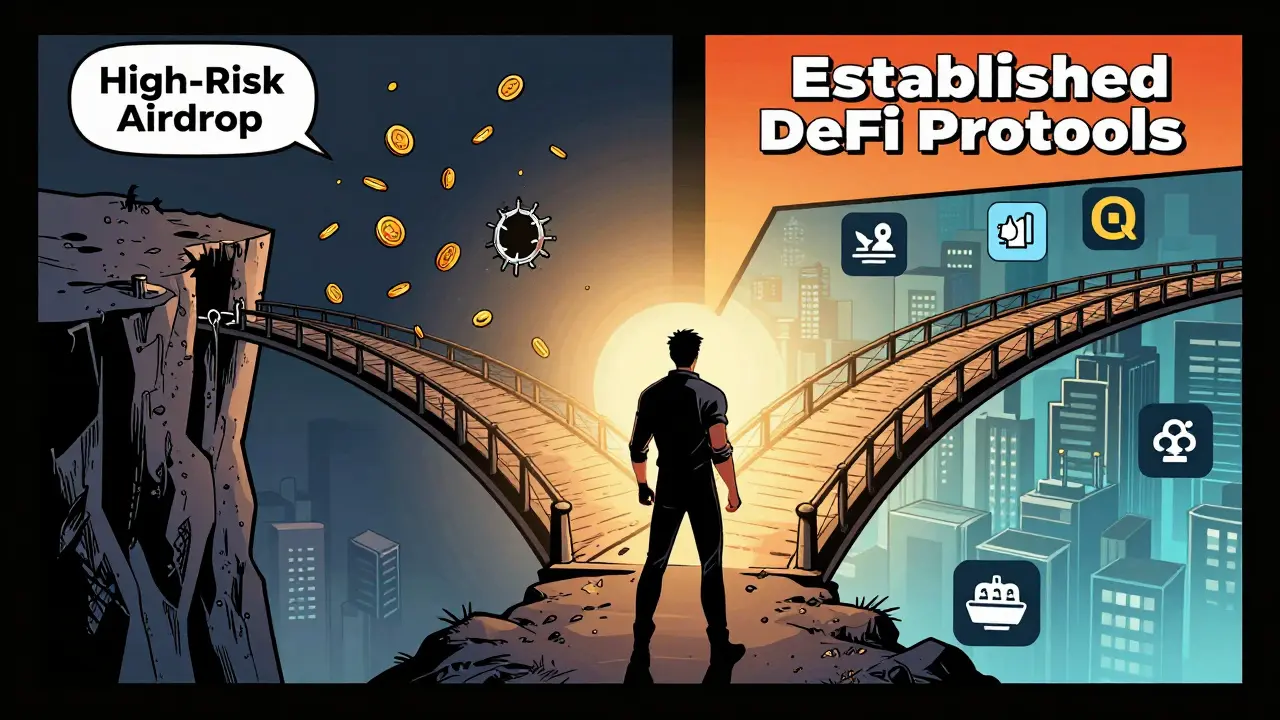
If the DeFiHorse details remain too vague or risky, consider safer ways to earn crypto. Established protocols often offer lower-risk opportunities.
For example, providing liquidity on major decentralized exchanges like Curve Finance or earning yield through staking on Lido provides transparent returns based on trading fees or network validation. While these don't offer the "lottery ticket" feel of a massive airdrop, they are backed by audited code and significant total value locked (TVL). Another option is participating in testnets for upcoming Layer 2 solutions. These networks often reward users who help find bugs or stress-test the system, and since it uses testnet coins, there is zero financial risk to your capital.
Is the DeFiHorse (DFH) airdrop officially confirmed?
As of May 2026, there is no widely recognized, verified official announcement from a reputable exchange or audit firm confirming the specific terms, snapshot dates, or claim process for the DeFiHorse DFH token airdrop. Users should treat all current claims with skepticism until official documentation is published on the project's primary channels.
How can I check if the DFH token contract is safe?
You can verify the safety of the DFH token by pasting its contract address into security analysis tools like GoPlus Security, TokenSniffer, or Honeypot.is. These tools scan the smart contract code for malicious functions, such as the ability to block selling, hidden taxes, or owner privileges that could drain liquidity. Additionally, check if the contract has been verified on block explorers like Etherscan or BscScan.
Should I connect my main wallet to the DeFiHorse campaign site?
No, you should never connect your primary wallet containing significant assets to unverified airdrop sites. Instead, create a separate "burner" wallet with minimal funds. This ensures that if the DeFiHorse website or smart contract is malicious, your main holdings remain secure. Always revoke permissions after interacting with any new dApp.
What are common signs of a fake crypto airdrop?
Common signs include misspelled domain names, requests for your private key or seed phrase, promises of unrealistically high returns, lack of official social media verification, and pressure to act quickly due to fake "limited slots." Legitimate airdrops do not ask you to send cryptocurrency to receive tokens; they only require you to sign a claim transaction.
Where can I find reliable information about upcoming airdrops?
Reliable information comes from official project announcements on X (Twitter) and Telegram, listings on CoinMarketCap or CoinGecko, and coverage by established crypto news outlets like CoinDesk or The Block. Avoid relying solely on influencer recommendations or unmoderated Telegram groups, as these are common vectors for scam propagation.