
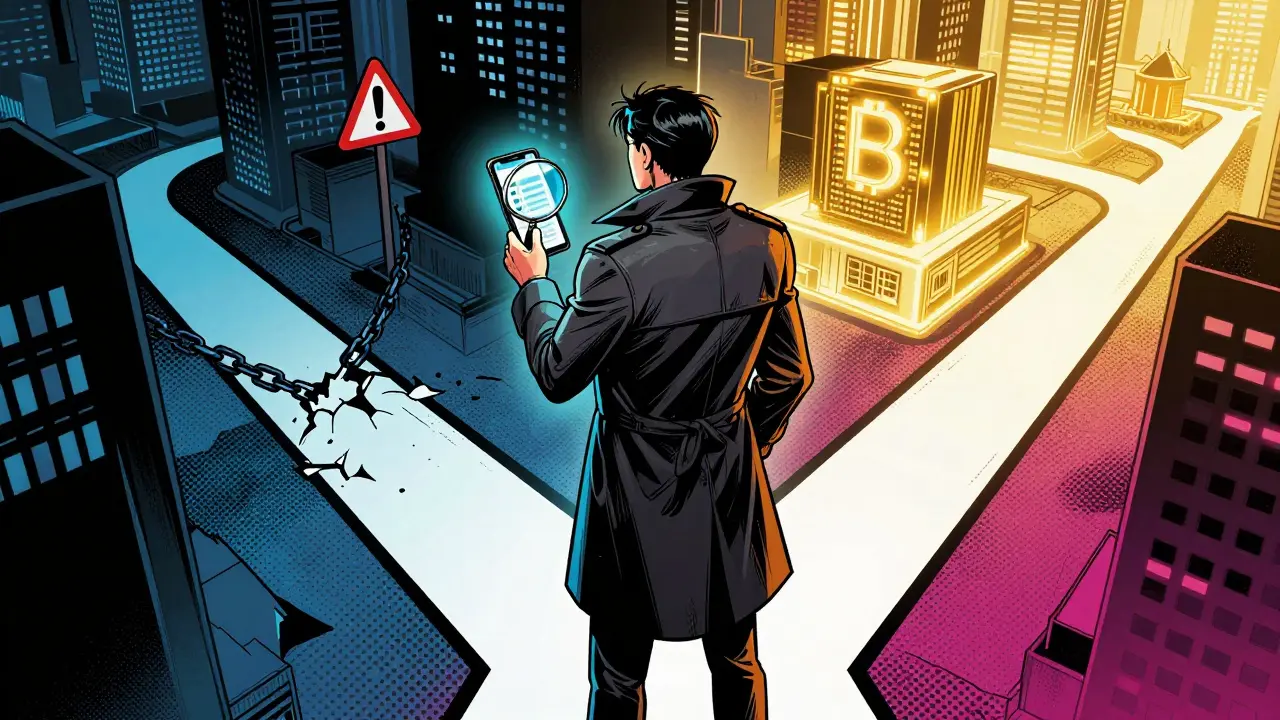
It is June 2026, and the search for the next big crypto reward is hotter than ever. If you are hunting for the CryptoTycoon airdrop details, you might have hit a wall of silence or confusing rumors. There is no official, widely recognized project called "CryptoTycoon" issuing a "CTT" token on major blockchain explorers or reputable tracking platforms like CoinGecko or CoinMarketCap as of today. This absence is a massive red flag that requires immediate attention before you risk your time or funds.
However, this doesn't mean the opportunity is dead-it likely means the name is slightly off, or you are looking at a very new, low-cap project that hasn't gained traction yet. In the world of decentralized finance, precision matters. One wrong letter can lead you from a legitimate multimillion-dollar distribution straight into a phishing trap. Let's break down what is actually happening with similar projects, how to verify if this specific airdrop is real, and exactly how you can position yourself to catch the next wave of legitimate rewards in 2026.
Is the CryptoTycoon (CTT) Airdrop Real?
The first job-to-be-done here is verification. When a title like "(CTT) CryptoTycoon airdrop" appears in search results or social media feeds, it often refers to one of three scenarios:
- A Misnamed Project: You might be thinking of "Tycoon," a trading platform that issued TYC tokens, or perhaps a game-fi project with "Tycoon" in its name.
- A Scam or Rug Pull: Fake airdrops use popular keywords to trick users into connecting wallets to malicious contracts. They promise free tokens but steal your assets instead.
- An Unlaunched Micro-Project: A brand-new team has created a website and Twitter account but has not yet deployed a smart contract or listed their token on any exchange.
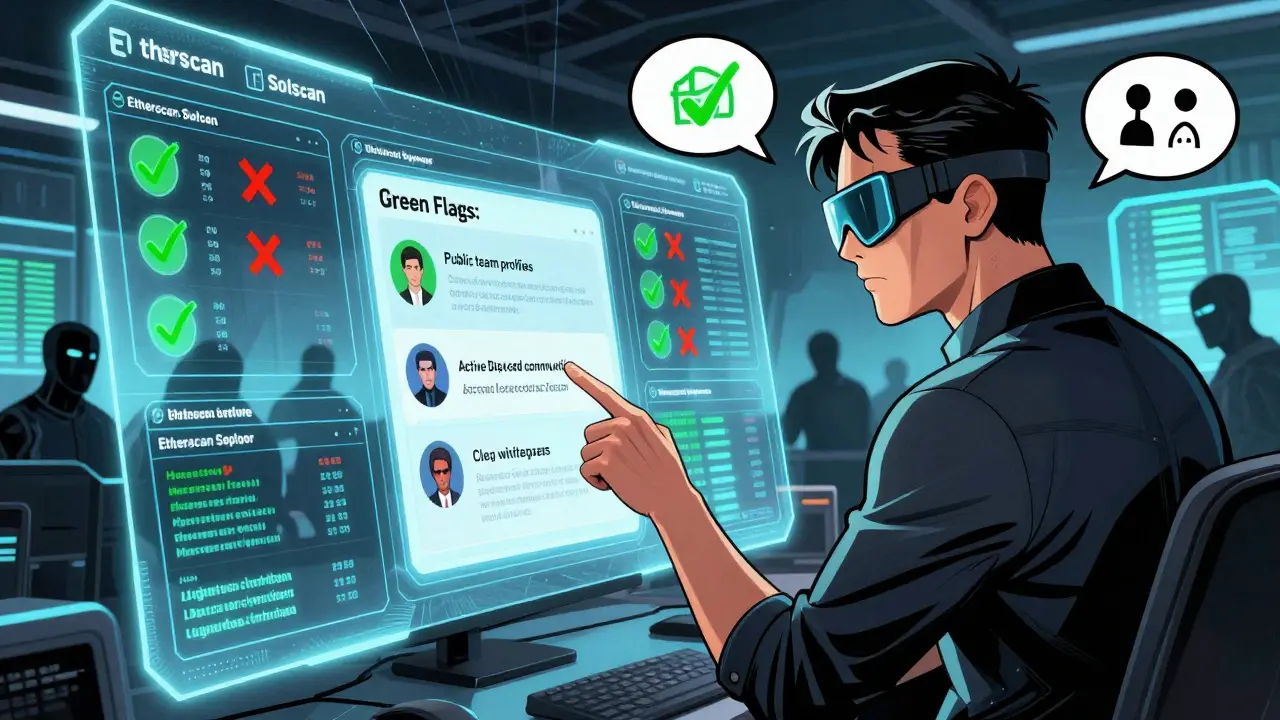
To determine which scenario applies, you need to look at the evidence. Legitimate airdrops in 2026 are transparent. They publish their whitepapers, list their team members on LinkedIn, and have active, verified communities on Discord or Telegram. If the only information you find is a generic landing page asking for your email or wallet address without clear terms, proceed with extreme caution.
| Feature | Legitimate Airdrop (Green Flag) | Potential Scam (Red Flag) |
|---|---|---|
| Token Contract | Publicly verifiable on Etherscan/Solscan | No contract address provided or hidden |
| Team Identity | Doxed founders with public profiles | Anonymous team with stock photos |
| Requirements | Simple tasks (follow, join, bridge) | Asks for private keys or seed phrases |
| Community | Active, organic discussion on Discord | Bots spamming "GM" and links |
| Website | Professional design, clear roadmap | Broken links, poor grammar, urgency tactics |
Understanding the 2026 Airdrop Landscape
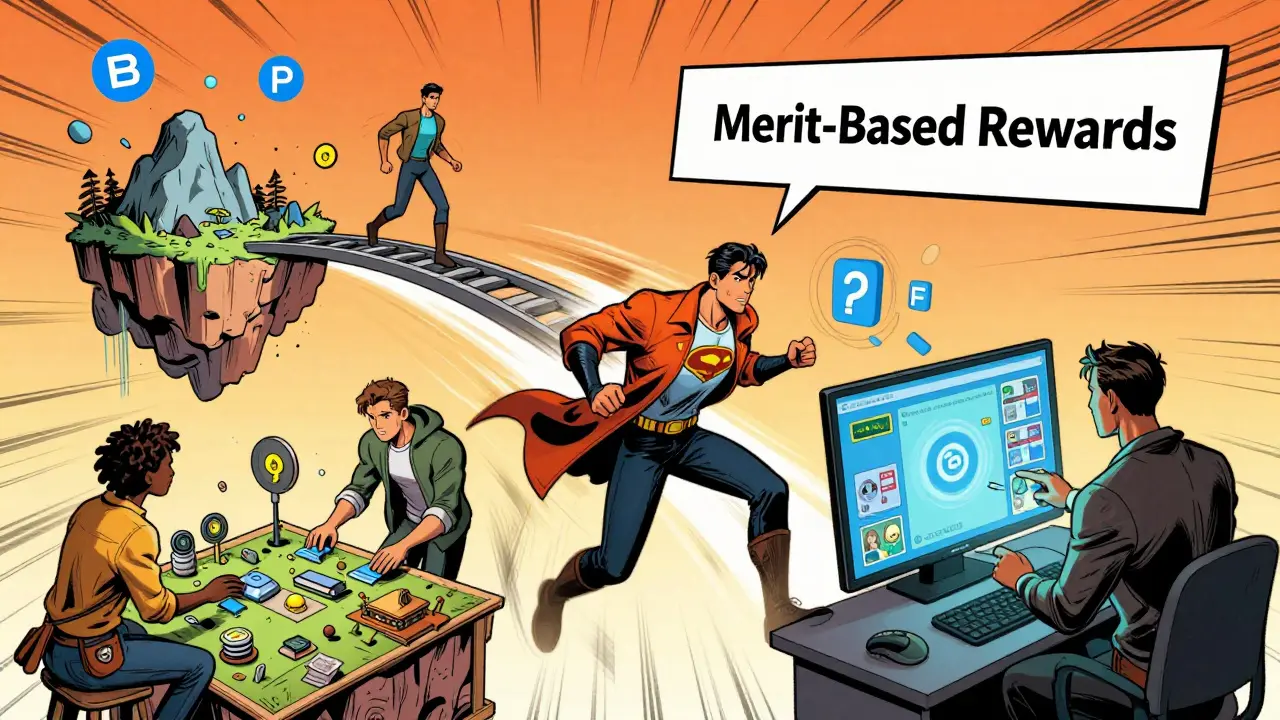
The landscape of crypto rewards has shifted significantly since the boom years of 2021. In 2026, projects are more selective. The era of giving away tokens to anyone who signed up for an email list is largely over. Instead, we see a trend toward "merit-based" distributions. Projects want active users, not just speculators.
Major players like MetaMask, zkSync, and LayerZero set the standard. For instance, qualifying for the MetaMask token required holding ETH and using the wallet actively. This signals a broader industry shift: utility drives value. If you are interested in the CryptoTycoon concept, ask yourself: What problem does it solve? Is it a trading bot? A gaming platform? A DeFi yield aggregator? Without a clear product, there is no reason for the project to distribute value to you.
Additionally, many projects now use point systems. Instead of a one-time drop, they reward ongoing engagement. You earn points for providing liquidity, trading volume, or inviting friends. These points later convert to tokens. This model protects the project from bots and ensures that the people receiving tokens are genuinely interested in the ecosystem.
How to Verify and Qualify for Legitimate Airdrops
If you suspect "CryptoTycoon" is a real but obscure project, or if you want to pivot to other high-potential opportunities, follow this step-by-step process to stay safe and eligible.
- Check the Blockchain Explorer: Search for "CTT" on Etherscan (for Ethereum-based chains), Solscan (for Solana), or BscScan (for Binance Smart Chain). If no token contract exists, the airdrop is not live yet. If multiple "CTT" tokens appear, check the creation date and holder count. A token created yesterday with one holder is likely a scam.
- Verify Social Channels: Go to Twitter (X) and search for the official handle. Look for the blue checkmark or a long history of posts. Join their Discord. Ask questions. If moderators delete negative comments or ignore queries, leave immediately.
- Use a Burner Wallet: Never connect your main wallet-the one holding your life savings-to unverified dApps. Use a separate wallet with minimal funds. Tools like Rabby Wallet or MetaMask allow you to create multiple accounts easily.
- Review the Terms: Legitimate airdrops have clear eligibility criteria. Do they require you to hold a specific NFT? Have you used a testnet? Did you provide liquidity during a specific period? Read the FAQ section on their website carefully.
- Monitor Aggregators: Websites like Airdrop.io, CoinMarketCap’s airdrop section, and Koinly track upcoming distributions. If CryptoTycoon isn’t listed there, it’s either too new or not credible.
Alternative Opportunities: Similar Projects to Watch
Since specific data on "CryptoTycoon" is scarce, it is wise to diversify your attention. Several projects in 2026 offer similar "tycoon"-style gameplay or trading automation features that may result in future airdrops. Here are some alternatives worth researching:
- Tycoon (TYC): As mentioned earlier, this platform connects traders with followers. While their initial airdrop may be closed, keeping an eye on their governance proposals could reveal future reward mechanisms for active participants.
- Off the Grid (GUN): A play-to-airdrop game built on Avalanche. Games often distribute tokens to early testers and active players. Engaging with the community and participating in beta tests can qualify you.
- Meteora and Hyperliquid: These DeFi protocols have hinted at future token launches. Providing liquidity or trading on these platforms now could position you well for later distributions.
- Abstract and Monad: New Layer 2 networks often reward early developers and users who build or interact with their ecosystems before mainnet launch.
Each of these projects has a different risk profile. DeFi protocols like Meteora carry smart contract risk, while games like Off the Grid depend on user adoption. Assess your comfort level and allocate your time accordingly.
Safety First: Avoiding Common Traps
The desire for free tokens makes users vulnerable. Scammers know this. They create fake websites that look identical to legitimate projects, changing only the URL slightly (e.g., cryptotycoon-official.com vs. cryptotycoon.com). Always bookmark the official site from a trusted source like CoinGecko or the project’s verified Twitter link.
Never share your private key or seed phrase. No legitimate airdrop will ever ask for this information. If a pop-up asks you to "verify your wallet" by entering your 12-word phrase, close the tab immediately. Additionally, be wary of "gas fee" scams. Some fake airdrops claim you need to pay a small transaction fee to receive your tokens. This is always a lie. Real airdrops are free; the cost is borne by the project.
Another common tactic is the "honeypot." You receive tokens in your wallet, but you cannot sell them. The contract code prevents outgoing transactions. To avoid this, check the token’s contract on tools like TokenSniffer or Honeypot.is before interacting with it. These tools analyze the code for malicious functions that restrict selling or inflate taxes excessively.
Building a Sustainable Airdrop Strategy
Relying on luck is not a strategy. Successful airdrop hunters treat it like a part-time job. They maintain a portfolio of diverse activities across multiple blockchains. Here is a checklist to keep you ahead:
- Bridge Assets Regularly: Move small amounts of ETH, SOL, or MATIC between mainnets and Layer 2s like Arbitrum, Optimism, and Base. Many L2s reward early bridgers.
- Provide Liquidity: Add small pairs to decentralized exchanges like Uniswap, Raydium, or Jupiter. Even $10-$20 can qualify you for future governance tokens.
- Interact with Testnets: Many new projects launch testnets where you can practice using their app without risking real money. Complete quests on platforms like Galxe or Layer3 to prove your participation.
- Stay Active on Socials: Follow project announcements. Retweet and engage with content. Some projects randomly select active community members for exclusive rewards.
- Document Everything: Keep screenshots of your transactions, wallet addresses, and dates of interaction. If a snapshot is taken, you’ll need proof of eligibility.
This approach minimizes risk while maximizing exposure. You don’t need to invest thousands of dollars. Consistency and breadth are key. By spreading your efforts across 5-10 promising projects, you increase the likelihood that at least one will deliver significant returns.
Conclusion: Patience Pays Off
The search for the CryptoTycoon (CTT) airdrop highlights a critical lesson in crypto: due diligence is non-negotiable. With no concrete evidence of a legitimate CTT token or project under that exact name, it is safer to assume it is either nonexistent or fraudulent until proven otherwise. Instead of chasing ghosts, focus on building a robust presence in verified ecosystems. The next big airdrop might not be called CryptoTycoon, but it will reward those who are already active, engaged, and cautious. Stay curious, stay safe, and let the rewards come to you through genuine participation.
What is the CryptoTycoon (CTT) airdrop?
As of June 2026, there is no widely recognized or verified cryptocurrency project named "CryptoTycoon" issuing a "CTT" token. It is likely a misnamed project, a very new micro-project, or potentially a scam. Always verify the project's existence on reputable trackers like CoinGecko or CoinMarketCap before participating.
How can I tell if an airdrop is a scam?
Look for red flags such as anonymous teams, requests for private keys or seed phrases, broken websites, and lack of a verifiable smart contract on blockchain explorers. Legitimate airdrops never ask for your private information and always have transparent, publicly accessible contracts.
Are there any similar projects to CryptoTycoon?
Yes, projects like Tycoon (TYC), which focuses on copy-trading, or gaming projects like Off the Grid (GUN) offer similar concepts. Additionally, DeFi protocols like Meteora and Hyperliquid are active in the space and may offer future rewards for early users.
Do I need to pay to participate in a crypto airdrop?
No. Legitimate airdrops are free. You may need to pay small gas fees for network transactions (like bridging or swapping), but you should never send tokens directly to a project to "claim" an airdrop. Any request for payment is a scam.
How do I qualify for future airdrops in 2026?
Qualify by being an early adopter. Bridge assets to new Layer 2 networks, provide liquidity on decentralized exchanges, interact with testnets, and engage with project communities on Discord and Twitter. Consistency and diversity in your interactions increase your chances.
Is it safe to connect my wallet to unknown airdrop sites?
It is risky. Always use a burner wallet with minimal funds when interacting with unverified dApps. Never connect your main wallet containing significant assets to new or suspicious websites to prevent potential theft via malicious smart contracts.
Where can I find reliable lists of upcoming airdrops?
Reputable sources include CoinGecko, CoinMarketCap, Koinly, and specialized aggregators like Airdrop.io. These platforms vet projects and provide updates on eligibility criteria and timelines, helping you avoid scams.