
If you're hunting for the latest opportunity in the crypto space, you've likely seen the buzz around the Chihua airdrop. Honestly, finding clear details feels like trying to catch smoke. There is genuine confusion in the market right now, and separating fact from noise is critical before you commit any time or capital. We live in an era where token launches happen daily, but legitimacy varies wildly.
This isn't just about grabbing free coins; it's about understanding the underlying technology and spotting the traps. As of March 2026, the landscape has matured, yet old tricks still work on new investors. Here is exactly what is known, what is uncertain, and how you can protect yourself while exploring this project.
The CHIHUA Token Reality Check
Before looking for distribution dates, we need to understand the asset itself. The Chihua Token is described as a community answer to established players like Dogecoin or Shiba Inu on the blockchain ecosystem. However, the data tells a confusing story. Market tracking platforms currently show listings for a token with the ticker CHIHUA, but the metrics are suspicious.
Specifically, reports indicate a maximum supply of 490 trillion tokens, yet both total supply and circulating supply often read as zero. This discrepancy is a massive red flag in the world of Cryptocurrency. Typically, a zero-circulating supply suggests the token hasn't been fully deployed to public markets, or the data reporting is broken. Sometimes it means the liquidity has been removed entirely.
The project claims to have operated as a "fair launch," where founders bought tokens directly on Uniswap alongside regular users. They state that 51% of the total supply was burned immediately to prevent inflation. Another 48% went into Uniswap liquidity and was subsequently locked or burned. That leaves only 1% for marketing and development. On paper, this looks secure because the team can't easily dump tokens on the market to crash the price.
However, numbers on a website mean nothing until you verify them on-chain. You cannot trust a whitepaper alone when the supply numbers on major aggregators say otherwise. If you cannot find the token balance in active trading volumes, the claim of an upcoming airdrop might be premature or potentially misleading.
Clarifying the Name Confusion
A major source of misinformation is the similarity between different projects. You might be searching for CHIHUA, but your search results pop up with information about HUAHUA. This distinction is vital. The HUAHUA token belongs to the Chihuahua chain, which is a completely separate blockchain network launched earlier.
Back in January 2022, MEXC exchange ran a promotional campaign involving HUAHUA. During that window, users could stake MX tokens to receive rewards. They distributed 7,200,000 tokens at a reference price of $0.005 per unit. This was a legitimate exchange incentive program tied to a functioning blockchain layer.
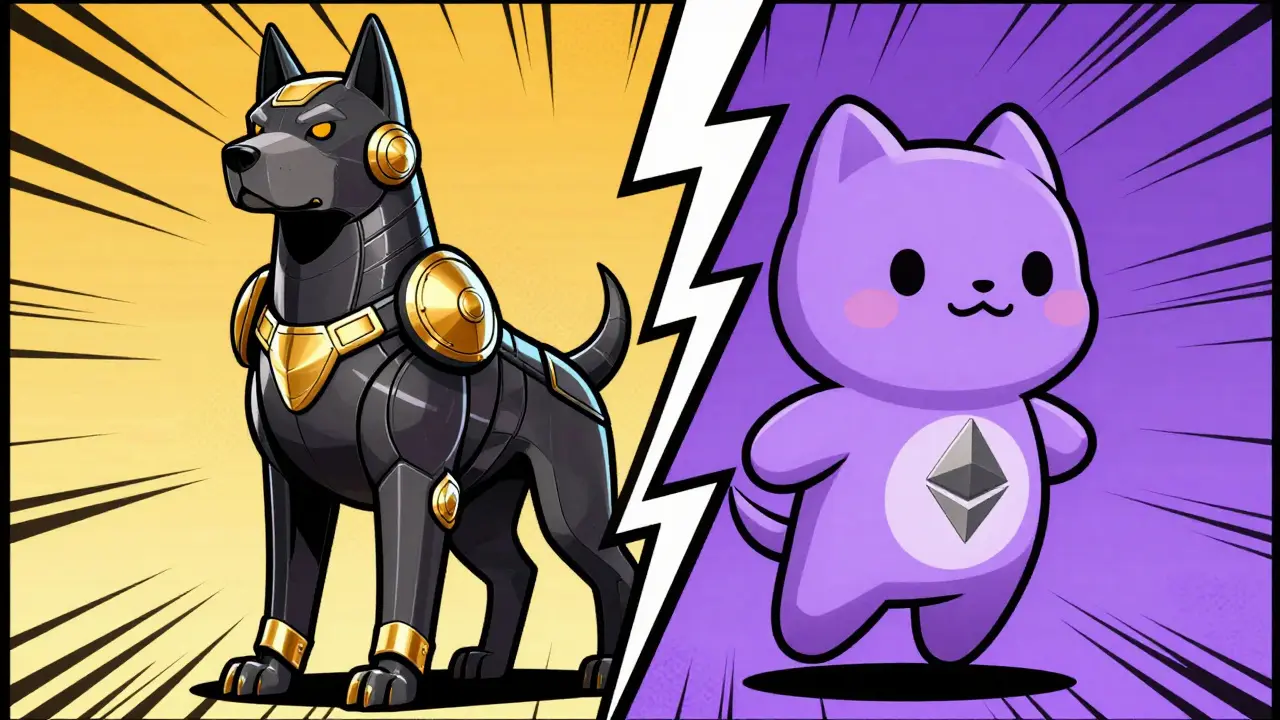
HUAHUA Token is a governance token for its own chain, whereas CHIHUA Token positions itself strictly as a meme coin on Ethereum. Mixing these two up leads to frustration. If you are following a link thinking it's for CHIHUA but landing on instructions for HUAHUA, you won't receive anything. Always check the contract address, not just the logo or name.
| Attribute | Chihuahua Chain (HUAHUA) | Chihua Token (CHIHUA) |
|---|---|---|
| Block Chain Network | Native Layer 1 | Ethereum (ERC-20) |
| Primary Utility | Gas/Governance | Meme/Social |
| Airdrop History | January 2022 via MEXC | Unverified/None confirmed |
How Tokenomics Influence Value
To determine if an offer is worth your attention, you must analyze the economics behind it. The Smart Contract is the code that holds the money. When a project claims to be "rug pull proof," they usually mean they have renounced ownership of the contract or locked the liquidity. This prevents the developers from taking all the money and running away overnight.
In the case of the claimed CHIHUA structure, burning liquidity provides some security. However, a "fair launch" doesn't guarantee success. Many tokens with locked liquidity still fail to gain traction because there is no demand. For a Chihua airdrop to hold actual value, there needs to be an active market buying and selling the token after distribution.
You need to ask yourself: who is holding the supply? If 1% is reserved for marketing, who controls that wallet? Is it a multisig account managed by the community, or does one private key control it? Transparency here is non-negotiable. Without access to the wallet addresses on a blockchain explorer, you are essentially flying blind.
Risk Assessment and Safety Protocols
The cryptocurrency sector has seen billions in losses due to sophisticated social engineering. Because there is no official verified announcement found for an active CHIHUA airdrop as of early 2026, you must assume the risk level is extremely high. Scammers love to hijack popular names.
A common tactic involves fake Telegram channels or Twitter accounts claiming to run the giveaway. They send a direct message asking you to connect your wallet to a site. If you do this, the site drains your funds immediately. Real airdrops never ask you to pay a gas fee upfront to "claim" winnings, nor do they ask for your seed phrase.
Always cross-reference the project. Look for the contract address on Etherscan. Does it show transaction activity? Are people actually holding the token? If the supply shows zero, that data point is more reliable than a blog post promising riches. Use tools like BscScan or Etherscan to view the transaction history independently.
- Never share your 12-word recovery phrase.
- Check contract verification status on the explorer.
- Verify the official social media handle via their bio links.
- Be skeptical of URLs with slight misspellings.
Verification Steps for Investors
Before interacting with any potential distribution mechanism, follow this logical flow. First, identify the official communication channel. This is usually linked from a verified GitHub repository or a recognized audit firm report. If the project has no GitHub or audit report, treat it with extreme caution.
Second, examine the liquidity pool. Even if tokens were distributed, can you sell them? If the liquidity pool is empty, the tokens are worthless. You can check this by plugging the pair address into Uniswap's interface or a market data tool.
Third, look for community sentiment. Reddit threads and specialized crypto forums often discuss scam warnings faster than news sites. If multiple users report issues, stop immediately. Do not let FOMO (fear of missing out) override your logic. There will always be another opportunity, but lost funds are gone forever.
The reality is that many small projects launch every month, and most fade quickly. Participating requires patience and due diligence. Don't chase rumors. Wait for official, verifiable documentation from the project team before engaging your wallet.
Frequently Asked Questions
Is the Chihua airdrop legit?
There is insufficient verified data to confirm an active airdrop. Be cautious of scams using this name and verify all contract details on-chain.
What is the difference between CHIHUA and HUAHUA?
HUAHUA is a governance token for a native chain with a 2022 exchange promo. CHIHUA is an ERC-20 meme token on Ethereum. They are unrelated projects.
How do I claim CHIHUA tokens safely?
Only claim through verified project channels. Never enter private keys. If asked to pay fees first, it is likely a scam.
Can I buy CHIHUA on exchanges?
Current data shows minimal trading volume. Buy at your own risk as liquidity may be low and slippage high on DEXs like Uniswap.
Is my wallet safe connecting to the site?
Ensure the URL is correct. Use a burner wallet for testing interactions. Check permissions requested before confirming any signature.
Sean Carr
March 28, 2026 AT 08:59Check the contract verification status on Etherscan before interacting with any wallet connection request. Unverified contracts pose significant risks regardless of the project name attached to the listing. Always confirm the liquidity pool has sufficient depth to allow an exit strategy if market conditions turn unfavorable. Security protocols require manual auditing of transaction history independent of third party dashboards.
Alex Lo
March 30, 2026 AT 04:11People always think they find the next big thing before they actually understand the risk involved. There are so many projects popping up every single day and most of them disappear fast. You see someone claiming a fair launch but the liquidity pool looks empty on chain. It feels like they want you to believe numbers on a website that anyone can edit. I tried buying some similar stuff last month and lost half my portfolio instantly. Now i am much more cautious about connecting wallets to unknown smart contracts. Even if the whitepaper says fifty one percent was burned you cannot trust that claim blindly. Blockchain data is the only truth we have left in this digital mess. Checking the contract verification on etherscan is step number one before clicking anything. Scammers love to clone popular names just to catch newbies who dont read documentation. Remember that huaha token was different from chihaa but people confused them anyway. You need to verify the exact address because copy paste errors cost money. Liquidity locks help but they do not guarantee a project will stay alive forever. Market sentiment changes quickly and a dead coin stays dead even with locked funds. Always check if there is actual volume behind the scenes before getting excited. Keep your private keys offline no matter what the telegram group tells you.
Shaira Vargas
March 30, 2026 AT 10:20That is really scary honestly i feel like everyone gets fooled by these things now. The fear of losing everything keeps me awake sometimes when i see new launches everywhere. We have to be so careful online or they take our life savings away forever. It is such a drama to lose money on something you thought was safe.
Wade Berlin
March 31, 2026 AT 02:08Another dog coin enters the chat and everyone loses their minds over a logo. Seriously why does anyone care about the breed classification of a worthless token. The community hype dies faster than the pet itself in the street. Just watch how quickly the price drops after the initial pump phase ends.
Matt Bridger
April 1, 2026 AT 14:57The majority ignores on-chain data entirely which causes significant losses across the market today. The distinction between governance tokens and meme coins remains blurred for retail investors seeking quick financial gains. True security involves verifying burn status rather than reading marketing material on social media platforms. Trusting a roadmap document is insufficient when liquidity parameters remain hidden from public view analysis.
Lisa Miller
April 2, 2026 AT 06:39Please remember to stay safe out there and double check every link you click on. We can all learn together and avoid making those mistakes early in the journey. Being cautious protects us from the bad actors trying to exploit new features. Keep supporting each other with verified information so no one gets hurt unnecessarily.
Joy Crawford
April 2, 2026 AT 10:20i feel so scared about the whole situation right now :( but i agree we must protect ourselves first. it is so hard to tell what is real and what is fake out here
always check twice friends :)
Beverly Menezes
April 4, 2026 AT 00:12I think the best way to handle this is just waiting until official news comes out. We do not know enough yet to make a good decision on this token. It might be safer to skip it if we cannot find clear proof of success.
Ronald Siggy
April 5, 2026 AT 02:02Waiting is good but you also need to learn how to investigate yourself actively. You must do your own research instead of relying on strangers for answers about safety. Knowledge gives you power over your own financial choices in this environment. Take control of your security habits now before issues arise.
Samson Abraham
April 5, 2026 AT 07:49The protection of private keys remains paramount during all interactions with blockchain networks. Compromised credentials lead to irreversible loss of assets regardless of project legitimacy. Verification processes require strict adherence to known safe channels only.
Jay Starr
April 6, 2026 AT 00:04The silence of the market speaks louder than any promise made in a tweet. Losses happen quietly while people sleep and wake up to empty wallets forever. The pain of seeing money vanish is something you never truly recover from easily.
Liam Robertson
April 6, 2026 AT 23:16I still believe that legitimate projects exist among the noise if you look hard enough. Finding value requires patience and sticking with the teams that prove their work over time. Hope stays strong when you focus on long term utility instead of quick wins.
Colin Finch
April 7, 2026 AT 05:48Risk is simply the price of discovery in a chaotic ecosystem filled with innovation. We navigate uncertainty by building resilience through education and diversified approaches to entry. The journey matters more than the destination when understanding complex market structures.
Elizabeth Akers
April 7, 2026 AT 19:02Just make sure to never share your seed phrase with anyone asking for it online.