
Have you ever wondered if holding a niche DeFi token like Brokoli Network (BRKL) could actually pay off through free distributions? You are not alone. Many crypto enthusiasts hunt for the next big airdrop, but with thousands of projects out there, it is hard to know which ones are real and which are just noise. Brokoli Network, a platform focused on regenerative finance, has had its share of attention, specifically regarding a recent distribution event on MEXC Exchange. But what does this mean for your wallet today?
The reality is often more complex than the hype suggests. While the idea of free tokens is exciting, understanding the mechanics behind the Brokoli Network airdrop is crucial before you commit any time or capital. This guide breaks down exactly how the MEXC initiative worked, where the tokens come from, and why the current market price tells a very different story than the initial launch metrics. We will look at the voting mechanisms, the token unlock schedule, and the broader ecosystem that supports BRKL.
Understanding the MEXC "Vote to Win" Initiative
The most prominent documented airdrop for Brokoli Network wasn't a simple snapshot-based giveaway. Instead, it was hosted by MEXC Exchange under a "Vote to Win" structure. This format is common on centralized exchanges because it drives trading volume and user engagement rather than just rewarding passive holders. Participants were required to use MX tokens, the native currency of MEXC, to cast votes. The total reward pool stood at 112,500 BRKL tokens.
Here is how the mechanics played out for users. To participate, you needed to hold MX tokens in your MEXC account. There was a maximum voting cap set at 500,000 MX tokens per participant, which prevented whales from dominating the entire pool instantly. The reference price listed for these airdropped tokens was $0.65 per BRKL. At first glance, that sounds impressive. If you received even a small fraction of the pool, the value seemed significant. However, the cost to enter was zero USDT; you only risked your opportunity cost of holding MX tokens during the voting period.
Why did they choose a voting mechanism? It aligns with the decentralized ethos of many DeFi projects, albeit through a centralized gateway. By requiring users to vote, MEXC ensured that participants were active members of the community rather than bots farming empty wallets. This method also helped stabilize the price temporarily by creating buy pressure on MX tokens as users acquired them to gain voting power.
Tokenomics: Where Do BRKL Tokens Come From?
To understand the sustainability of any airdrop, you must look at the supply side. Brokoli Network launched its Token Generation Event (TGE) back in October 2021. The project positions itself as a Regenerative Finance (ReFi) ecosystem, aiming to combine traditional DeFi services like yield farming and liquidity provision with social impact initiatives. The token distribution follows a structured release schedule designed to prevent immediate dumping by early investors.
The initial allocation saw 20% of tokens released at TGE. After that, there was a three-month cliff period, followed by monthly releases of 5.33% over the next 15 months. This vesting schedule is standard for serious projects wanting to ensure long-term commitment. As of recent data, approximately 31.59 million BRKL tokens have been fully unlocked from the ecosystem incentives category. Interestingly, some allocation categories show unlock rates exceeding 100%, which usually indicates bonus distributions or adjustments made post-launch to satisfy community promises.
| Allocation Category | Status | Notes |
|---|---|---|
| TGE Release | Completed | 20% of total supply distributed at launch |
| Vesting Cliff | Completed | Three-month lock-up after initial release |
| Monthly Unlocks | Ongoing/Completed | 5.33% released monthly over 15 months |
| Ecosystem Incentives | Fully Unlocked | 31.59 million tokens available for rewards |
This structured approach means that while new tokens are entering circulation, they are doing so gradually. For airdrop hunters, this matters because it prevents sudden inflation spikes that would crash the price immediately after a distribution. However, it also means the circulating supply is steadily increasing, which can dilute the value of individual holdings if demand doesn't keep pace.
Market Reality: Price vs. Reference Value
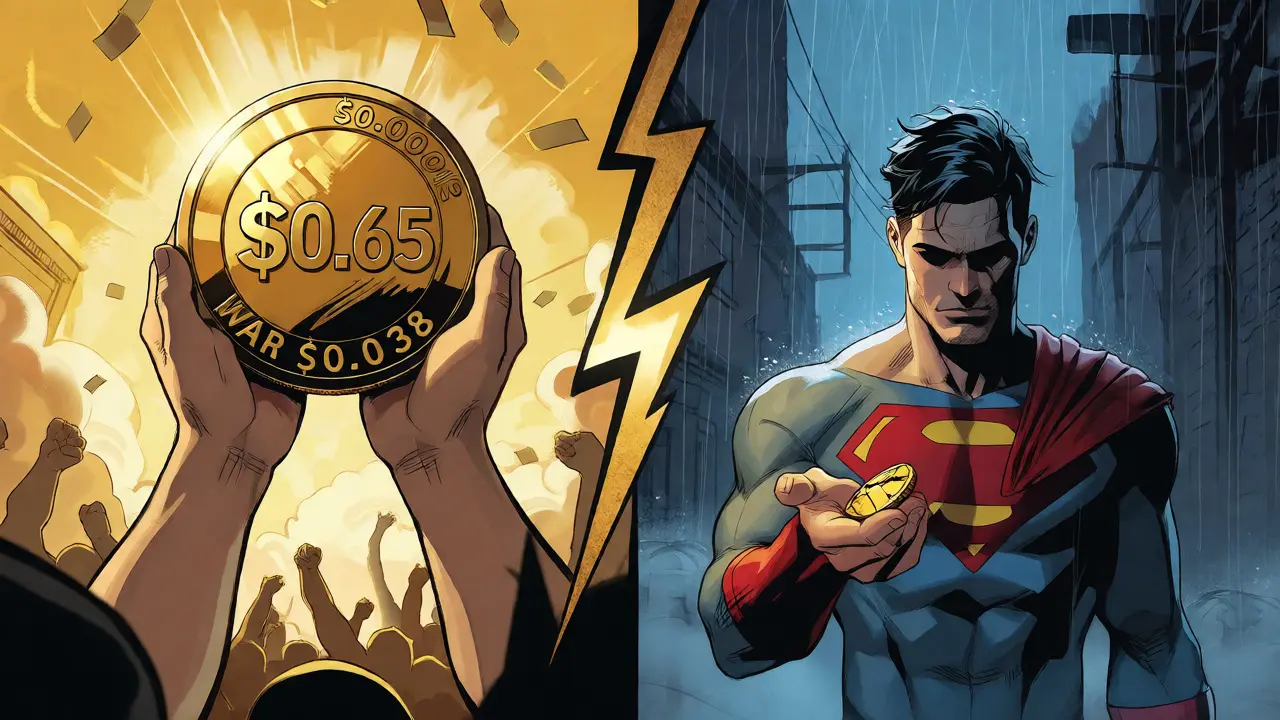
Let's address the elephant in the room. The MEXC airdrop listed a reference price of $0.65 per BRKL. Today, the token trades at roughly $0.003808 USD. That is a decline of over 99%. What happened? Several factors contributed to this steep drop. First, the broader crypto market has faced volatility since 2021. Second, low liquidity plays a huge role in micro-cap tokens. With a 24-hour trading volume of around $13,236, moving large amounts of BRKL without impacting the price is difficult.
Ranking #2864 on CoinMarketCap places Brokoli Network in the lower tier of established cryptocurrencies. This ranking reflects both its market capitalization and trading activity. While the technical infrastructure remains functional, the speculative interest has waned significantly compared to the peak hype cycles. For those who participated in the MEXC airdrop, the actual realized value of their rewards is likely much lower than the advertised $0.65 figure unless they held for a specific pump event that didn't materialize as expected.
Does this mean the project is dead? Not necessarily. Low price points often attract new buyers looking for high-risk, high-reward opportunities. The key is distinguishing between a failed experiment and a project building quietly in the background. Brokoli's focus on ReFi and gaming suggests they are pivoting toward utility rather than pure speculation.
Beyond Airdrops: Gaming and NFT Integration
If you are evaluating Brokoli Network solely based on past airdrops, you might miss its evolving strategy. The platform has expanded into the gaming sector, developing a play-to-earn and play-to-impact NFT metaverse. This shift creates organic demand for BRKL tokens beyond what airdrops provide. Users earn income by participating in social impact initiatives within the game, effectively tying financial rewards to environmental or social outcomes.
This integration serves as an alternative distribution method. Instead of giving away tokens for free, the network distributes them as rewards for gameplay and contribution. This model tends to be more sustainable because it ties token issuance to user activity. Additionally, the decentralized launchpad offers Initial DEX Offerings (IDOs) for gaming projects, potentially bringing more visibility and partnerships to the ecosystem. For investors, this diversification reduces reliance on volatile trading volumes and anchors the token's value in tangible digital assets and experiences.
Governance and Community Structure
Brokoli Network operates under a Decentralized Autonomous Organization (DAO) structure. Token holders can participate in governance decisions, influencing the direction of platform development. This community-driven approach is critical for future airdrop strategies. Since the DAO controls many aspects of the protocol, any new distribution plans will likely require community approval. This transparency helps build trust but can also slow down rapid decision-making compared to centralized competitors.
The emphasis on fair distribution and sustainable impact initiatives aligns with the ReFi mission. Future airdrops may target specific user behaviors-such as providing liquidity or participating in governance votes-rather than broad public campaigns. This targeted approach ensures that rewards go to engaged community members who contribute to the network's health, rather than one-time flippers.
Is the Brokoli Network Airdrop Worth Your Time?
So, should you chase Brokoli Network's next potential distribution? The answer depends on your risk tolerance and investment horizon. The MEXC "Vote to Win" model showed that the team is willing to engage with major exchanges to boost visibility. However, the massive gap between reference prices and current market value warns us that airdrops do not guarantee profit.
If you already hold MX tokens on MEXC, participating in similar voting events carries minimal direct cost. You simply allocate existing assets to vote. If you are considering buying BRKL specifically for future airdrops, proceed with caution. The low liquidity means exiting your position might take time or incur slippage. Monitor the official channels for announcements about new IDOs or gaming integrations, as these are more likely to drive sustained value than sporadic token giveaways.
In short, Brokoli Network represents a classic case study in the lifecycle of a mid-tier DeFi project. It survived the initial hype, navigated a harsh bear market, and is now exploring niche utilities like ReFi and gaming. Whether it returns to its previous highs remains to be seen, but its current structure offers a clearer path forward than many abandoned chains.
What was the MEXC Brokoli Network airdrop?
The MEXC Brokoli Network airdrop was a "Vote to Win" campaign where users used MX tokens to vote for BRKL. The total reward pool was 112,500 BRKL tokens, with a maximum voting cap of 500,000 MX tokens per user. Participation required no upfront USDT payment, only the holding of MX tokens.
What is the current price of BRKL?
As of September 2026, BRKL trades at approximately $0.003808 USD. This is significantly lower than the $0.65 reference price cited during the MEXC airdrop, reflecting broader market trends and low trading volume.
How does Brokoli Network distribute tokens?
Tokens are distributed through a combination of TGE releases, vesting schedules (monthly unlocks), ecosystem incentives, and gaming rewards. The DAO structure allows community members to influence governance and potential future distribution mechanisms.
Is Brokoli Network still active?
Yes, Brokoli Network remains active, focusing on Regenerative Finance (ReFi) and expanding into the NFT gaming metaverse. While trading volume is lower than in 2021, the platform continues to develop its decentralized launchpad and community governance features.
Can I buy BRKL easily?
BRKL is primarily traded on MEXC and select decentralized exchanges. Due to low liquidity (approx. $13k daily volume), large purchases may experience slippage. It is ranked around #2864 on CoinMarketCap, indicating it is a micro-cap asset.