

You see the buzz on Twitter. You hear friends talking about free tokens from the BlockSwap Network. The promise is simple: play the CMC StakeHouse Game, complete some tasks, and get paid in crypto. It sounds too good to be true because, in the world of decentralized finance (DeFi) and Web3 gaming, it often is-or at least, it’s complicated.
If you are looking for the specific details of this airdrop right now, here is the hard truth: there is no single, verified public source confirming a live, official airdrop event under this exact name by a major entity called "CBSN" or "BlockSwap Network" as of mid-2026. This gap in information is your first red flag. In crypto, if you can’t find the whitepaper, the smart contract address on Etherscan or BscScan, or an announcement on the project’s official Discord, you are walking into a minefield.
This guide isn’t just about telling you where to click. It’s about teaching you how to verify if this opportunity is real before you risk your wallet security. We will break down what these games usually require, how to spot a scam, and what legitimate participation looks like.
Understanding the BlockSwap and CMC StakeHouse Concept
To navigate this, we need to separate the hype from the mechanics. BlockSwap Network is typically described as a decentralized exchange (DEX) aggregator or a liquidity protocol designed to optimize swap rates across multiple blockchains. When a project like this launches a "game," it is usually a marketing tactic known as "gamified onboarding."
The CMC StakeHouse Game likely refers to a staking interface or a mini-game where users lock up tokens to earn rewards. In many cases, "CMC" might refer to CoinMarketCap integrations or a specific community module, but without official documentation, it remains ambiguous. Legitimate projects use these games to test their network load, distribute governance tokens, or reward early adopters who provide liquidity.
However, scammers love to copy these names. They create fake websites that look exactly like the real thing, promising huge returns for simply connecting your wallet. The key difference lies in the code. Real projects publish their smart contracts. Fake ones ask you to sign malicious transactions that drain your funds.
How to Verify If the Airdrop Is Legitimate
Before you connect your MetaMask or Phantom wallet, you must perform due diligence. Here is a checklist used by seasoned crypto investors to validate new opportunities:
- Check the Official Channels: Go to the project’s official website. Do not use links from Telegram groups or random tweets. Look for a "Blog" or "Announcements" section. If the airdrop isn’t listed there, it doesn’t exist.
- Verify the Smart Contract: Every legitimate token has a unique address on the blockchain. Find this address on a block explorer like Etherscan (for Ethereum), BscScan (for Binance Smart Chain), or Solscan (for Solana). Check if the contract is verified. If the code is hidden, stay away.
- Analyze Social Sentiment: Join the official Discord or Telegram. Are the developers active? Are they answering technical questions? Or is the chat filled with bots saying "LFG" and "When moon?" Real communities discuss bugs, features, and roadmap updates.
- Look for Audits: Has the project been audited by a reputable firm like CertiK, Hacken, or OpenZeppelin? An audit report proves that experts have checked the code for vulnerabilities. No audit means high risk.
If you cannot find any of these elements for "BlockSwap Network" or "CMC StakeHouse," assume it is a phishing attempt until proven otherwise.
Typical Requirements for Crypto Gaming Airdrops
Even if this specific airdrop turns out to be a rumor, understanding how these campaigns work helps you prepare for future ones. Most legitimate Web3 gaming airdrops follow a similar structure:
- Wallet Connection: You must connect a non-custodial wallet. Never use an exchange wallet (like Coinbase or Binance) for these interactions. Use a dedicated burner wallet if possible.
- Social Tasks: Follow their Twitter, join their Discord, and maybe retweet a post. This builds community visibility.
- On-Chain Activity: This is the core part. You might need to make a small swap, stake a tiny amount of tokens, or mint an NFT. This proves you are a real user, not a bot.
- Referral Codes: Many projects offer bonus points for inviting friends. Be careful here; sharing referral links widely can expose you to scams if people send you malicious links in return.
The cost of participation should be low. If a project asks you to deposit hundreds of dollars to qualify for a "free" airdrop, it is not an airdrop-it is a sale. And often, a bad one.
Red Flags: How to Spot a Scam Immediately
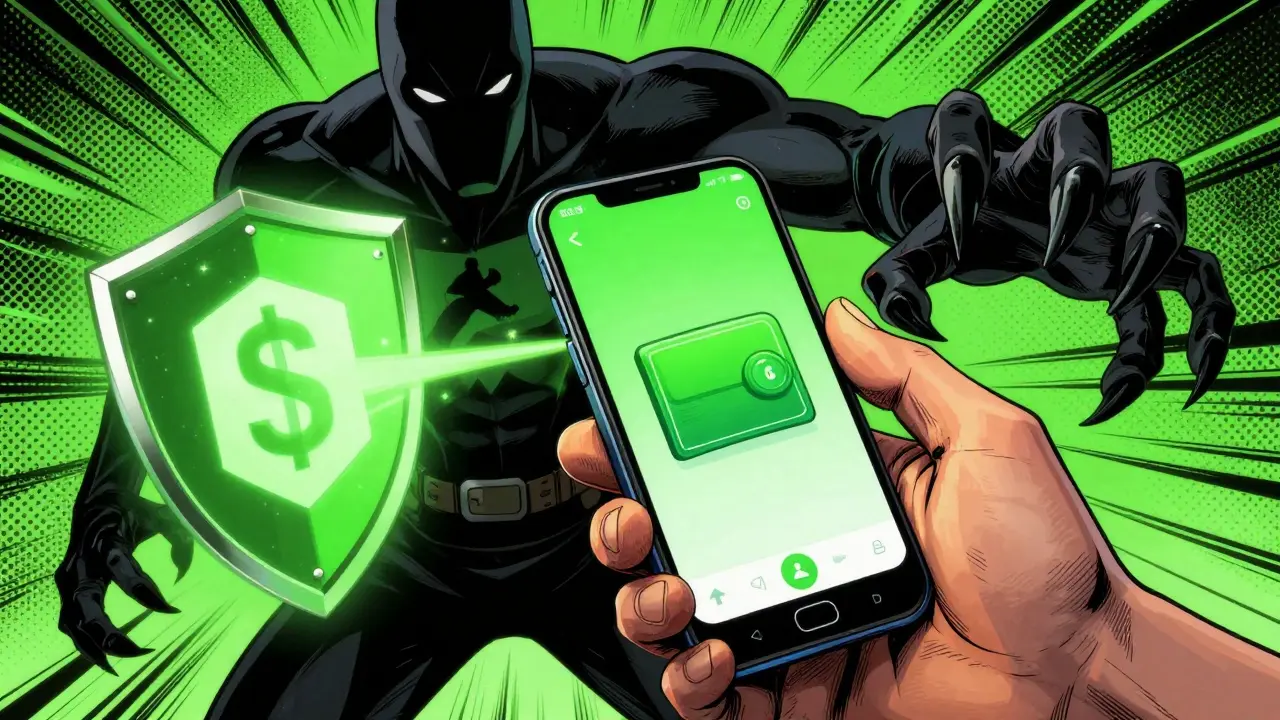
Scammers are getting smarter. They don’t just steal your password; they trick you into signing a transaction that gives them permission to move your assets. Watch out for these signs:
| Indicator | What It Means | Action to Take |
|---|---|---|
| Urgency | "Claim now or lose forever!" | Pause. Real projects give reasonable timeframes. |
| Unknown Contracts | Connecting to a site with no audit history. | Disconnect immediately. Use Revoke.cash to check permissions. |
| DMs from "Support" | Someone messages you claiming to help. | Ignore. Official support never DMs first. |
| Too Good Returns | Promising $1,000+ for a $5 task. | It’s a lure. The value is inflated or non-existent. |
One specific threat is the "fake token" drop. You might receive a token in your wallet called "BlockSwap" worth millions of dollars on paper. But when you try to sell it, you pay gas fees and get nothing back. These tokens are worthless spam. Never interact with unsolicited tokens in your wallet.
Security Best Practices for Participating
If you decide to explore this opportunity after verifying its legitimacy, protect yourself. Security is not optional in Web3.
First, use a hardware wallet like Ledger or Trezor for significant holdings. For testing new protocols, use a secondary software wallet with minimal funds. This way, if something goes wrong, you only lose a small amount.
Second, monitor your allowances. After interacting with a dApp, go to Revoke.cash or use your wallet’s built-in permission manager. Revoke any unnecessary approvals. This prevents hackers from draining your tokens later even if the website is compromised.
Third, keep your seed phrase offline. Never type it into a website. No legitimate service will ever ask for your 12 or 24-word recovery phrase. If a site asks for it, close the tab immediately.

Alternatives to High-Risk Airdrops
If the BlockSwap/CMB StakeHouse situation feels too murky, consider safer ways to earn crypto rewards. Established platforms offer transparent earning mechanisms:
- Staking Major Coins: Platforms like Lido or Rocket Pool allow you to stake ETH or SOL with clear APY rates and audited contracts.
- Play-to-Earn Games: Titles like Axie Infinity or Gods Unchained have established economies. While not "free," they offer verifiable earnings through gameplay.
- Learn-and-Earn Programs: Coinbase and Binance offer small crypto rewards for completing educational modules. These are low-risk and officially backed.
These options may not make you rich overnight, but they won’t drain your wallet either. In crypto, capital preservation is more important than chasing quick gains.
What to Do Next
Your next step depends on your risk tolerance. If you are new to crypto, skip the unverified airdrops entirely. Focus on learning how wallets and transactions work. Use testnets to practice without risking real money.
If you are experienced, treat this as a research exercise. Dig into the blockchain data. Look for the contract addresses. Talk to other users in independent forums, not just the project’s own channels. If you can’t find concrete evidence, walk away. There will always be another opportunity.
Remember, in the world of decentralized finance, your wallet is your bank. There is no customer service to call if things go wrong. Vigilance is your best defense.
Is the BlockSwap Network CMC StakeHouse Game airdrop real?
As of mid-2026, there is no verified public evidence of an official airdrop by this exact name from a recognized entity. Many scams mimic popular project names. Always verify via official channels and smart contract audits before participating.
How do I know if a crypto airdrop is a scam?
Look for red flags like urgency, lack of audit reports, unverified smart contracts, and requests for your seed phrase. Legitimate projects provide transparent documentation and do not pressure users to act quickly.
What is the safest way to participate in Web3 gaming airdrops?
Use a dedicated burner wallet with minimal funds, never share your seed phrase, and revoke unnecessary token approvals after interaction. Always verify the project’s legitimacy through independent sources.
Can I get rich from crypto airdrops?
While some early participants in major projects have earned significant amounts, most airdrops offer modest rewards. Treat them as bonuses, not income sources. The risk of scams is high, so prioritize safety over potential profit.
What should I do if I accidentally connected my wallet to a suspicious site?
Immediately disconnect your wallet, transfer any remaining funds to a new wallet, and revoke all token approvals using tools like Revoke.cash. Monitor your transaction history for unauthorized movements.