
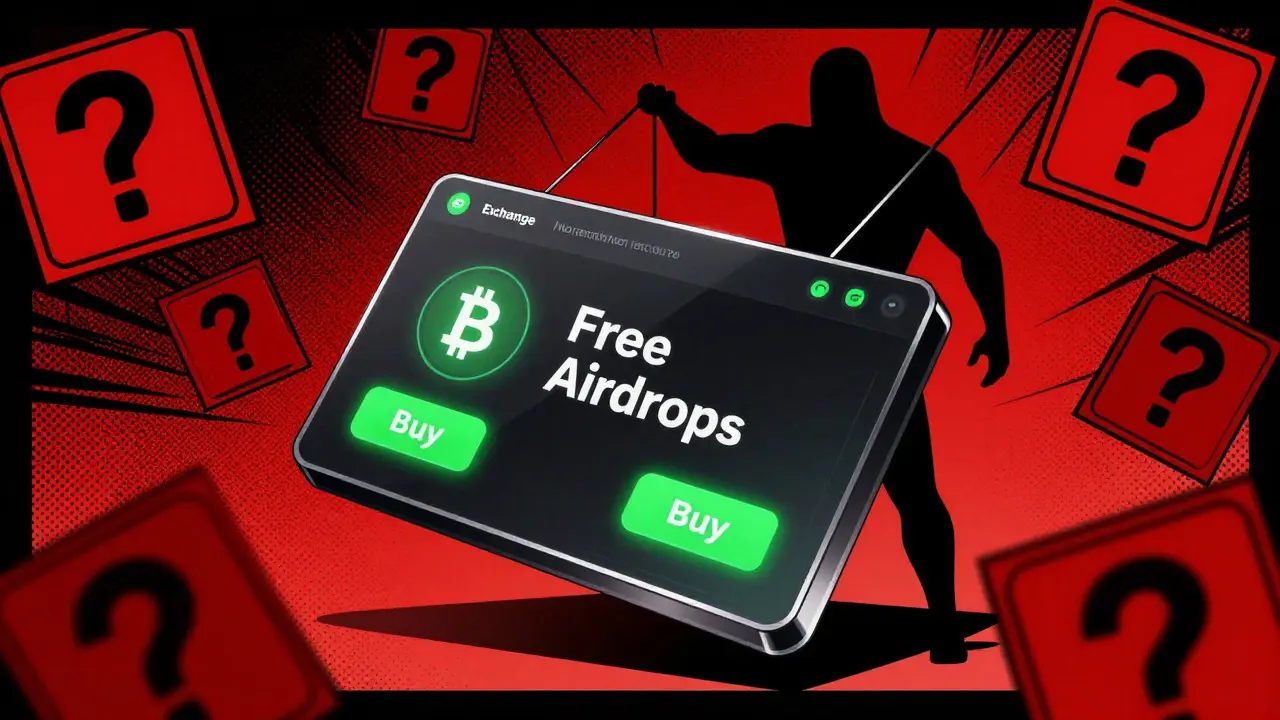
Imagine you’ve just heard about a new cryptocurrency exchange called Bitrota is a cryptocurrency exchange platform that offers spot trading, P2P services, and investment options for Bitcoin and Ethereum. The site looks sleek. The promises are big: easy registration, 24/7 trading, and even free airdrops. But here’s the uncomfortable truth: if you can’t find independent reviews, security audits, or clear regulatory information, should you really trust it with your hard-earned money?
In the world of digital assets, trust isn’t given; it’s earned through transparency. Established players like Coinbase is a publicly traded US-based cryptocurrency exchange known for strict regulatory compliance and insured custodial services have spent years building reputations. Newer platforms often struggle to catch up. This review cuts through the marketing fluff to help you decide if Bitrota deserves a spot in your portfolio-or if you should keep scrolling.
The Red Flags: Why Transparency Matters More Than Features
When evaluating any financial service, especially one holding your assets, the first thing you check is who runs it. For Bitrota, this information is conspicuously absent. There is no public record of the founding date, the leadership team, or the company’s registration details. Compare this to Independent Reserve is an Australian licensed cryptocurrency exchange operating since 2013 with ISO 27001 certification and segregated client funds, which proudly displays its regulatory status and security certifications on every page.
Without knowing who is behind the curtain, you have no recourse if things go wrong. If the website goes down, where do you complain? If your funds disappear, who do you sue? This lack of corporate identity is the single biggest risk factor when considering Bitrota. In an industry plagued by rug pulls and exit scams, anonymity is rarely a feature-it’s usually a liability.
Platform Features: What They Promise vs. What You Get
Bitrota markets itself as an "advanced trading platform" with a dual-system architecture. Let’s break down what they offer and how it stacks up against industry standards.
- Spot Trading: Basic buying and selling of cryptocurrencies. Most exchanges offer this. The question is liquidity-can you actually sell large amounts without crashing the price? Bitrota doesn’t publish real-time volume data that third parties can verify.
- P2P Trading: Peer-to-peer transactions allow you to trade directly with other users using bank transfers or other methods. This is useful but risky if the escrow system (the middleman holding funds until both sides confirm) isn’t robust.
- Investment Products: They mention "flexible and locking features." In crypto, locked investments often mean higher yields but also higher risk. Are these yields sustainable, or are they paying early investors with new users’ money (a Ponzi-like structure)? Without audited proof of reserves, it’s hard to say.
- Launchpad & Airdrops: These are marketing tools to attract users. Free tokens sound great, but they often require you to deposit significant capital first to qualify.
While the feature list sounds comprehensive, the execution is unproven. A platform can claim to have everything, but if the order book is thin or withdrawals are delayed, those features become useless.
Security Analysis: Where Is Your Money Really?
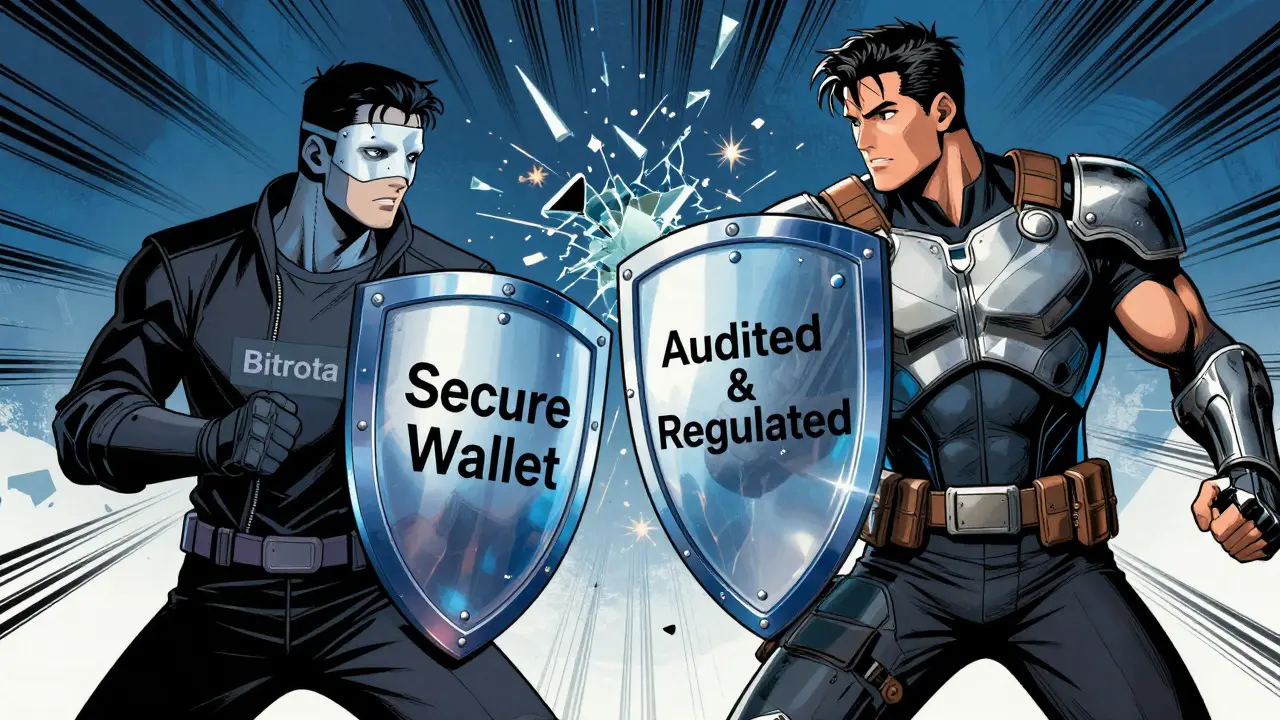
Security is non-negotiable in crypto. Bitrota mentions "secure wallet technology," but that’s vague. What does that actually mean?
Let’s compare Bitrota’s stated security measures with those of established competitors:
| Security Feature | Bitrota Claimed Status | Industry Standard (e.g., Coinbase, Kraken) |
|---|---|---|
| Cold Storage | Mentioned vaguely | 95%+ of assets in offline cold storage |
| Third-Party Audits | None found | Regular smart contract and infrastructure audits |
| Regulatory Compliance | Unclear/Unlisted | Licensed in multiple jurisdictions (FinCEN, FCA, etc.) |
| Proof of Reserves | Not published | Monthly cryptographic proofs of solvency |
| Insurance Coverage | Not mentioned | Custodial insurance for digital assets |
The absence of third-party security audits is critical. When you use CEX.IO is a global cryptocurrency exchange registered as a Money Services Business with FinCEN, offering multi-signature wallets and DDoS protection, you know their infrastructure has been tested by external experts. With Bitrota, you’re trusting their word alone. In cybersecurity, self-certification is worth very little.
User Experience and Support: The Silent Killer
A slick interface means nothing if customer support is ghost town. Many new exchanges invest heavily in design but neglect support infrastructure. Users report that getting answers from Bitrota can be difficult, with limited channels for communication.
Consider this scenario: You try to withdraw your Bitcoin, and the transaction fails. On a major exchange, you’d open a ticket, get a tracking number, and receive updates within hours. On lesser-known platforms, you might wait days with no response. Check forums like Reddit or Trustpilot. If there are no recent, detailed user experiences, that’s a warning sign. High churn rates or silent departures often indicate underlying issues.
Fees and Hidden Costs
Transparency in pricing is another area where Bitrota falls short. While many exchanges clearly display their maker/taker fees, withdrawal costs, and deposit minimums, Bitrota’s fee structure is not easily accessible or clearly defined in independent sources.
Hidden fees can eat into your profits faster than market volatility. Look out for:
- Spread Markups: The difference between the buy and sell price. Wide spreads mean you lose money instantly upon purchase.
- Withdrawal Fees: Some exchanges charge exorbitant fees to move your coins off-platform.
- Inactivity Fees: Penalties for not trading regularly.
Before depositing, calculate the total cost of entry and exit. If the numbers aren’t clear, assume they are high.
Who Should Use Bitrota? (And Who Should Avoid It)
Not every trader needs the same platform. Here’s a quick guide to help you decide:
Bitrota might be suitable for:
- High-Risk Tolerators: Traders willing to risk small amounts for potential high-yield investment products or exclusive airdrops.
- Geographic Restrictions: Users in regions where major exchanges are banned, provided Bitrota accepts them (verify this first).
You should probably avoid Bitrota if:
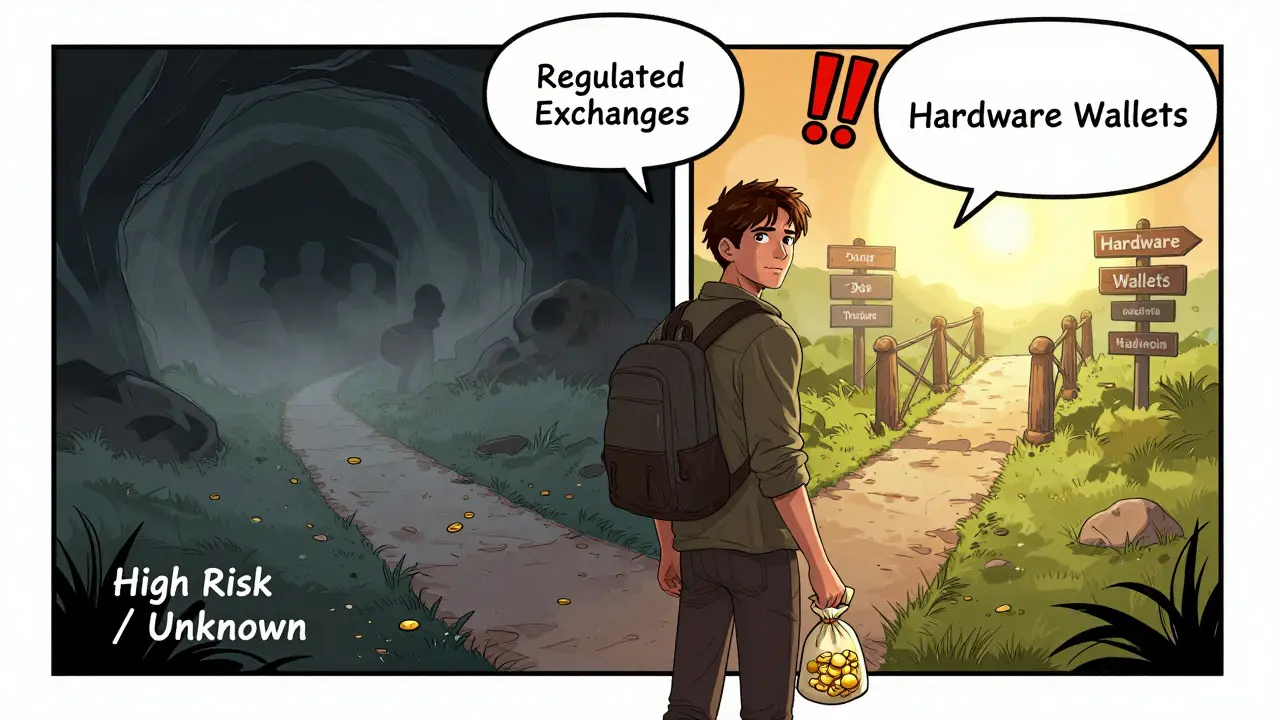
- Safety is Priority #1: You’re storing long-term holdings (HODLing). Stick to regulated exchanges or hardware wallets.
- You Need Liquidity: Day traders need deep order books to enter and exit positions quickly. Unverified volumes suggest thin liquidity.
- You Value Accountability: If you want legal recourse in case of fraud, choose a licensed entity.
Better Alternatives for Secure Trading
If Bitrota feels too uncertain, consider these established alternatives that offer similar features with proven track records:
- Kraken: Known for excellent security, low fees, and strong regulatory compliance in Europe and the US.
- Binance: Offers the widest range of altcoins, P2P trading, and earning products, though regulatory scrutiny varies by region.
- Coinbase Advanced Trade: Ideal for beginners who prioritize ease of use and insured custody.
- LocalCoinSwap: A great option for non-custodial P2P trading if you want to avoid exchange risks entirely.
Final Verdict: Proceed with Extreme Caution
Bitrota presents a classic case of "trust me, bro" economics. It offers modern features and a clean interface but lacks the foundational pillars of trust: transparency, regulation, and independent verification. In 2026, with so many secure, regulated options available, taking unnecessary risks on an obscure platform is rarely justified.
If you must try Bitrota, treat it like a test account. Deposit only what you can afford to lose. Never store long-term savings there. Enable two-factor authentication immediately. And always keep detailed records of all transactions. Your peace of mind is worth more than any promised yield.
Is Bitrota a legitimate exchange or a scam?
There is no definitive proof that Bitrota is a scam, but it lacks the transparency and regulatory oversight of legitimate exchanges. The absence of public company details, security audits, and independent user reviews makes it high-risk. It operates in a gray area where legitimacy is unverified.
Does Bitrota require KYC (Know Your Customer) verification?
Most exchanges require some level of KYC to comply with anti-money laundering laws. Bitrota’s specific requirements are not clearly documented. Typically, you will need to provide ID and proof of address to unlock higher withdrawal limits. Always check their latest terms of service before signing up.
Can I withdraw my funds from Bitrota anytime?
Theoretically, yes. However, many newer exchanges impose hidden delays or maintenance periods during which withdrawals are suspended. Without published uptime statistics or user testimonials confirming smooth withdrawals, assume there could be delays. Test with a small amount first.
What cryptocurrencies does Bitrota support?
Bitrota primarily lists Bitcoin (BTC) and Ethereum (ETH), along with "various other cryptocurrencies." The exact list of supported coins is not comprehensively documented. Major exchanges typically list hundreds of tokens; a limited selection may indicate lower liquidity or fewer partnerships.
How do Bitrota’s fees compare to Binance or Coinbase?
Specific fee structures for Bitrota are not publicly transparent. Established exchanges like Binance and Coinbase clearly display tiered trading fees (often 0.1% or less for makers) and fixed network withdrawal fees. Lack of clarity suggests Bitrota’s fees may be higher or variable.
Is Bitrota available in the United States or Europe?
Regulatory availability is unclear. Many unregulated exchanges restrict access from the US, EU, and UK due to strict local laws. If Bitrota accepts users from these regions without licensing, it poses additional legal risk to the user. Check their prohibited countries list carefully.
What is the safest way to use Bitrota if I decide to sign up?
Use a dedicated email address, enable two-factor authentication (2FA) via an app (not SMS), start with a small deposit, and withdraw profits regularly to a private hardware wallet. Do not leave large sums on the exchange. Treat it as a hot wallet for active trading only.