
When it comes to crypto regulation, government rules that control how digital assets are traded, taxed, or banned. Also known as digital asset oversight, it’s no longer about if governments will step in — it’s about how hard they’ll hit. In 2025, places like Singapore, the Philippines, and Turkey didn’t just tweak rules — they slammed doors shut. Meanwhile, countries like Vietnam and Colombia kept trading alive through loopholes, local platforms, and peer-to-peer networks. The message is clear: owning crypto is one thing. Using it freely? That’s getting harder.
Across the board, crypto scams, fake exchanges, phantom airdrops, and zombie tokens designed to steal your funds. Also known as crypto fraud, these schemes grew more convincing — and more dangerous. Platforms like Hashfort, Btcwinex, and Winstex vanished overnight, leaving users with empty wallets. Even names like BeeEx and YOOBTC turned out to be misdirections for shady platforms like WEEX and YoBit. And the airdrops? Most were lies. THN, HeroesTD, WSPP — all claimed to be free money, but none delivered real value. These aren’t edge cases. They’re the new normal.
But not everything was broken. Behind the noise, real innovation kept going. blockchain healthcare, using decentralized ledgers to give patients control over their medical records. Also known as decentralized EHR, it’s quietly solving privacy problems that hospitals couldn’t fix for decades. Tokenized stocks like AXPon let people earn dividends without brokers. NFTs stopped being JPEGs and started paying creators real royalties. And in places like Namibia and Taiwan, where banks blocked crypto, people found workarounds — not by breaking rules, but by using them smarter.
What you’ll find below isn’t a list of random posts. It’s a map of 2025’s crypto reality: where regulation crushed hope, where scams preyed on greed, and where a few real projects still held ground. No fluff. No hype. Just what happened, who got burned, and who still has a shot.
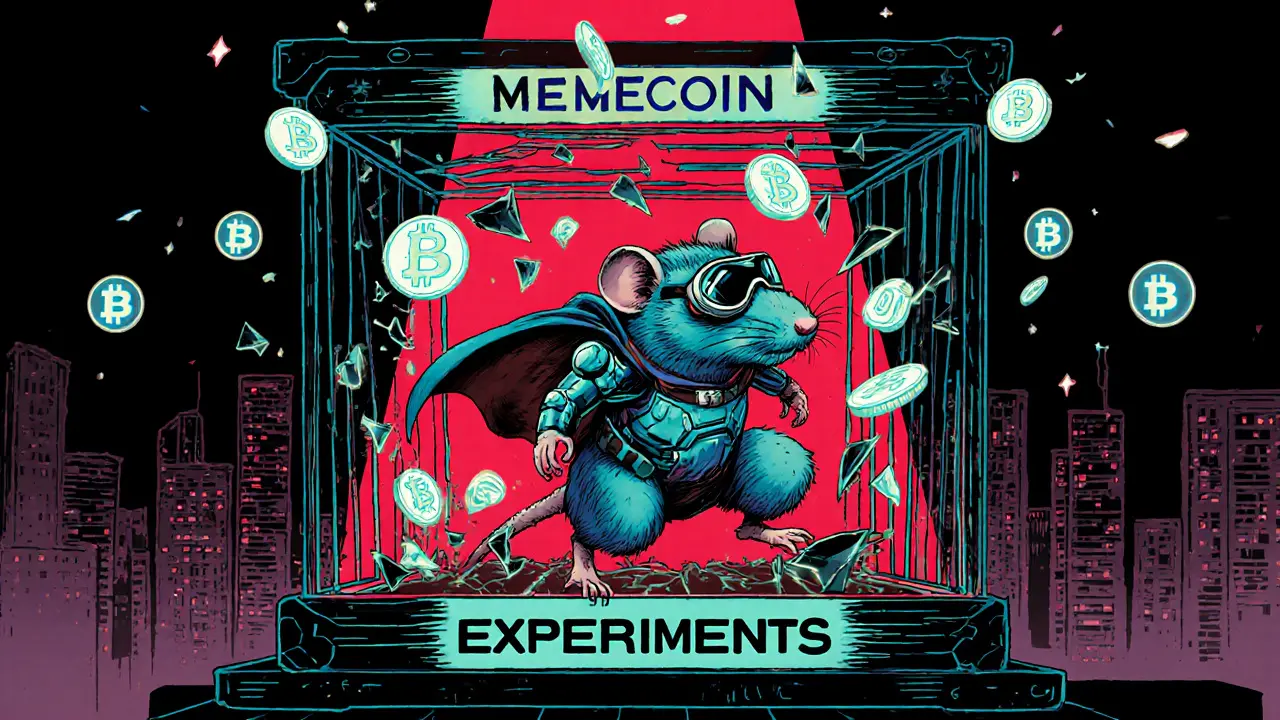
Brat (BRAT) is a rebellious memecoin on the BASE blockchain with a unique story, no trading taxes, and a community-run DAO. Learn how it works, where to trade it, and whether it has real potential beyond the hype.
Emirex Token (EMRX) is a utility token built for the Emirex ecosystem, used to pay fees, vote on platform changes, and access tokenized assets. It has low liquidity, limited exchange listings, and no real-world use outside its platform.
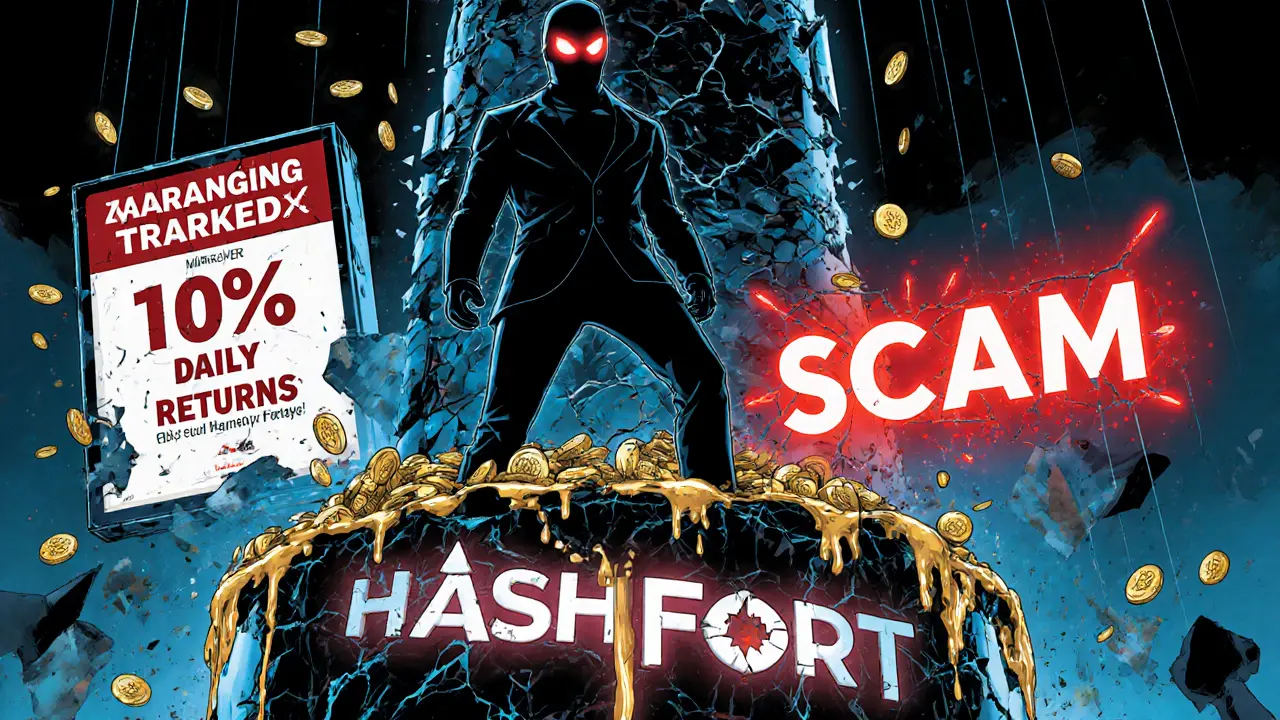
Hashfort crypto exchange is not real. It's a scam platform designed to steal crypto deposits. Learn how to spot fake exchanges and which legit platforms to use instead in 2025.
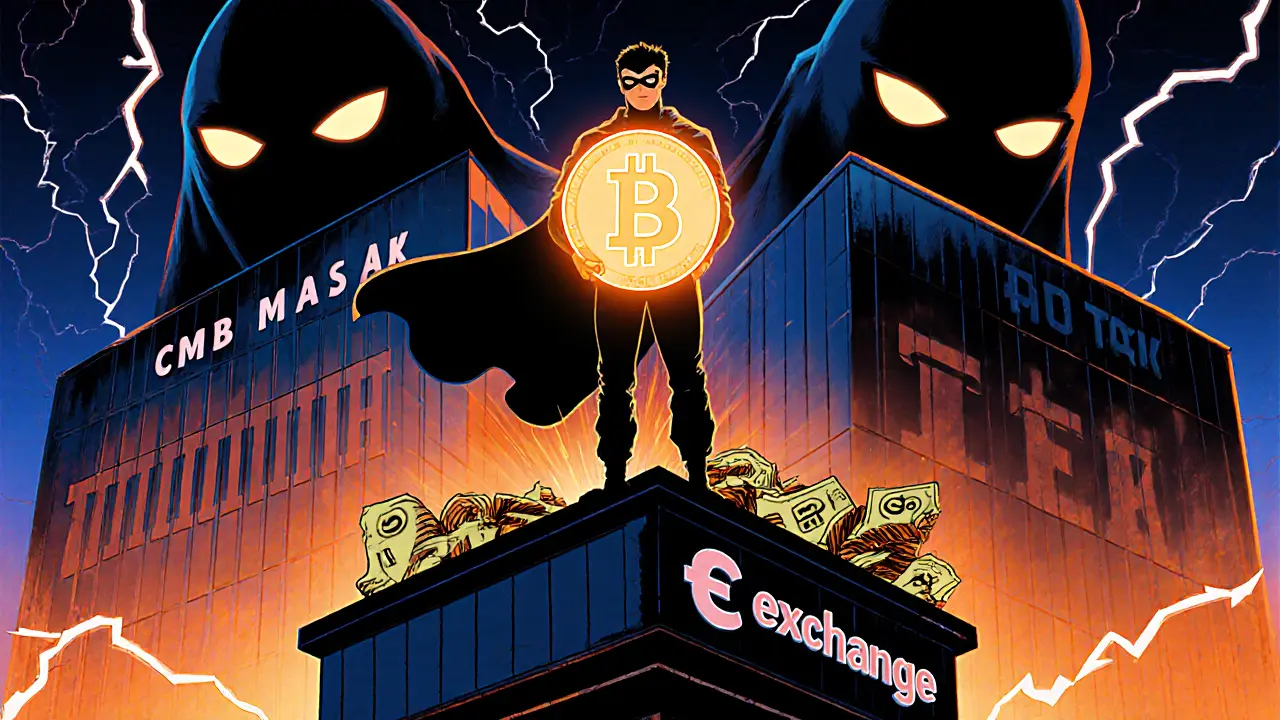
Turkey has built one of the world's strictest crypto frameworks: legal to trade, illegal to spend. Learn how the 2024 law, MASAK crackdowns, and licensing rules are reshaping digital asset use for millions of Turkish citizens.
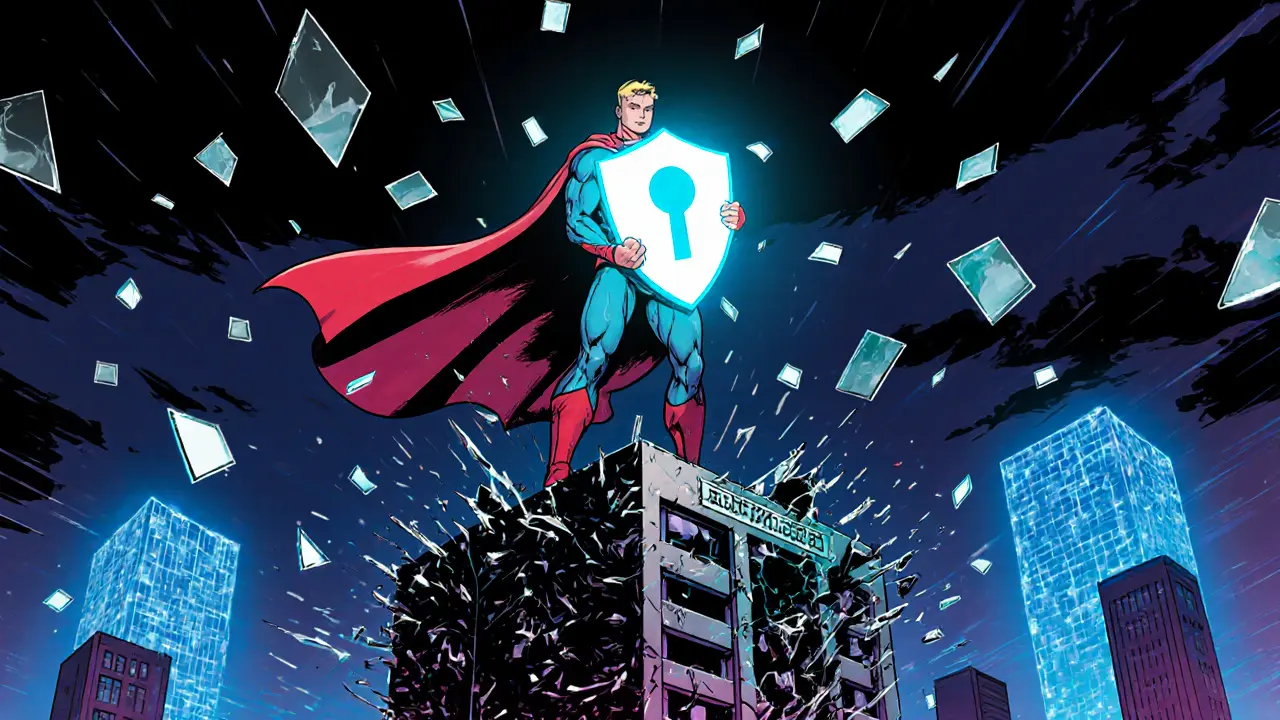
Blockchain healthcare data security gives patients control over their medical records using encrypted, decentralized ledgers. It prevents breaches, cuts fraud, and ensures data integrity - without relying on centralized databases.
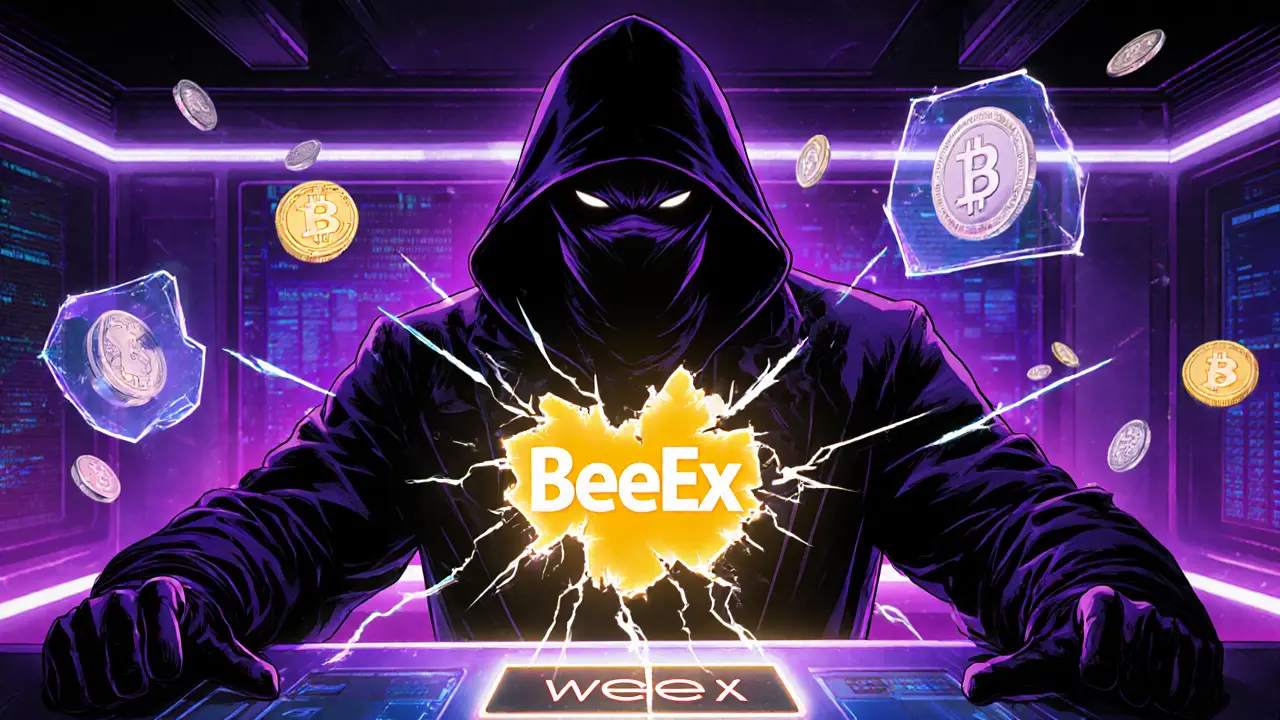
BeeEx crypto exchange doesn't appear to exist as a standalone platform - what you're seeing is likely WEEX, a high-leverage, non-KYC exchange for experienced traders. Learn the real features, risks, and who should use it in 2025.
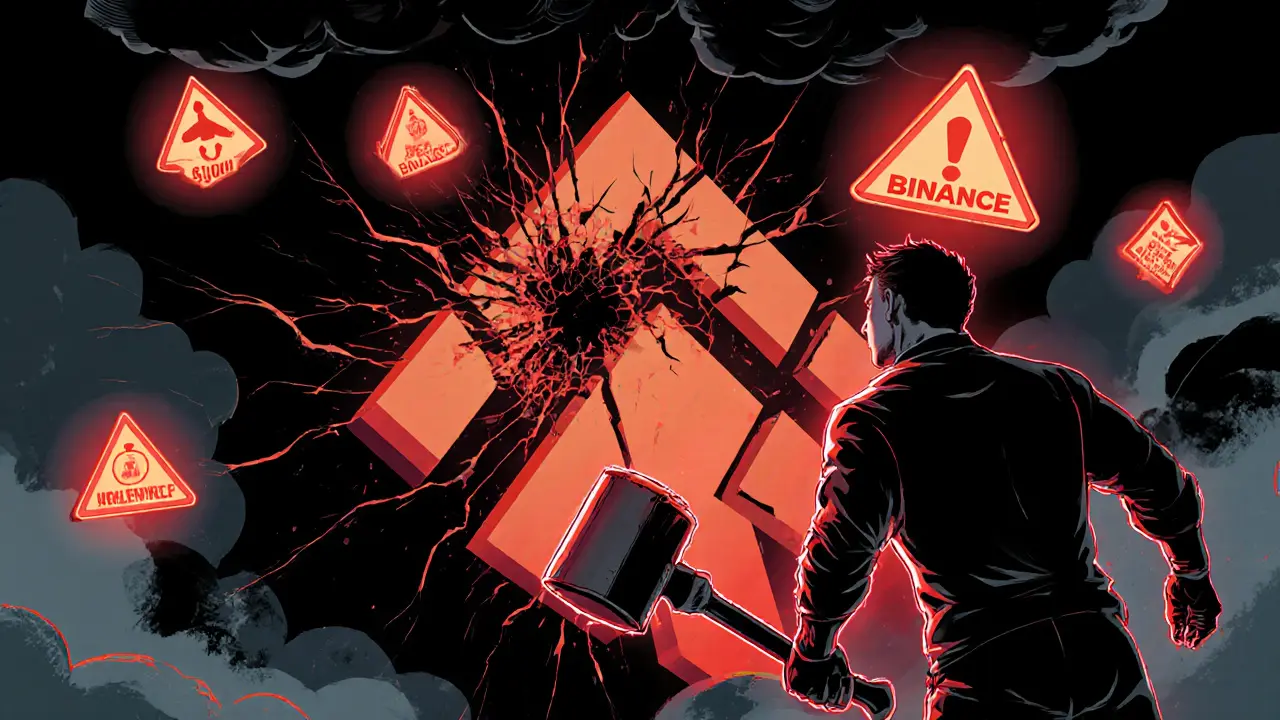
Binance is banned in the Philippines since 2024, and Bitget faces similar risks under new crypto regulations. Learn what the SEC requires, how enforcement works, and what alternatives are safe for Filipino users in 2025.
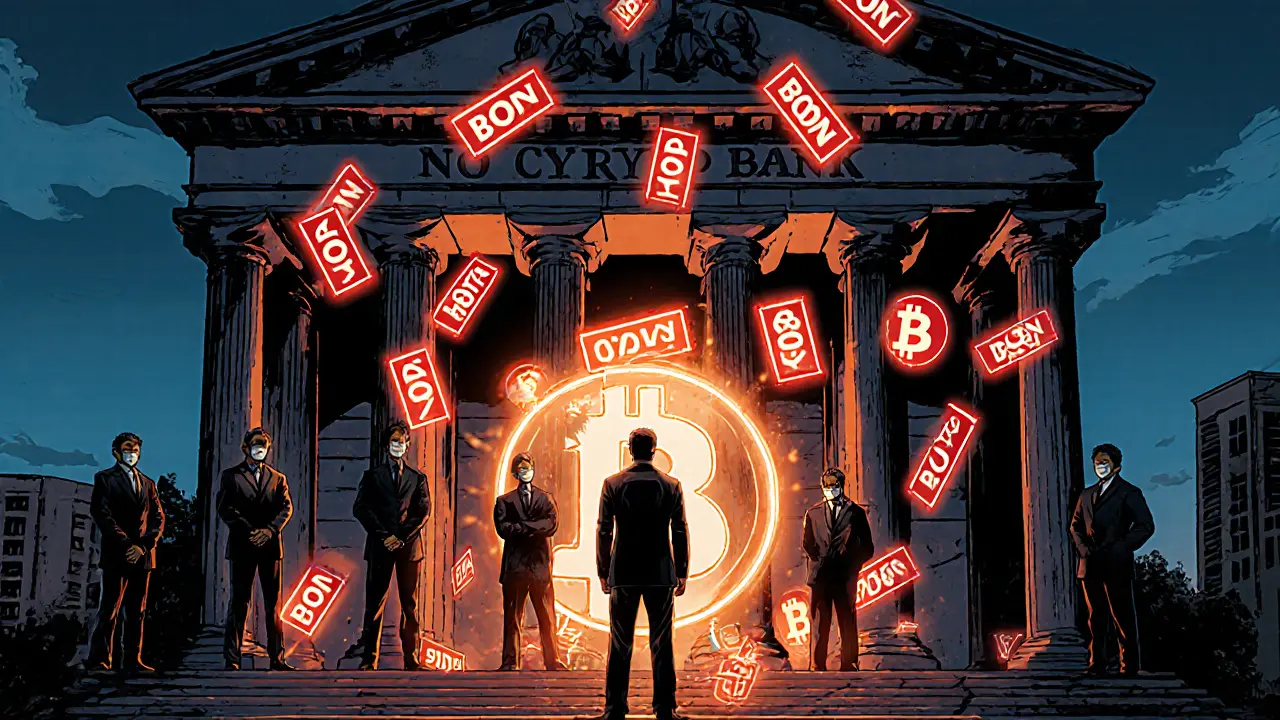
Namibia's banking system restricts crypto transactions despite a 2023 law licensing crypto businesses. As of 2025, individuals face account freezes, and no exchange is fully operational. The central bank maintains crypto isn't legal tender, creating a confusing regulatory limbo.
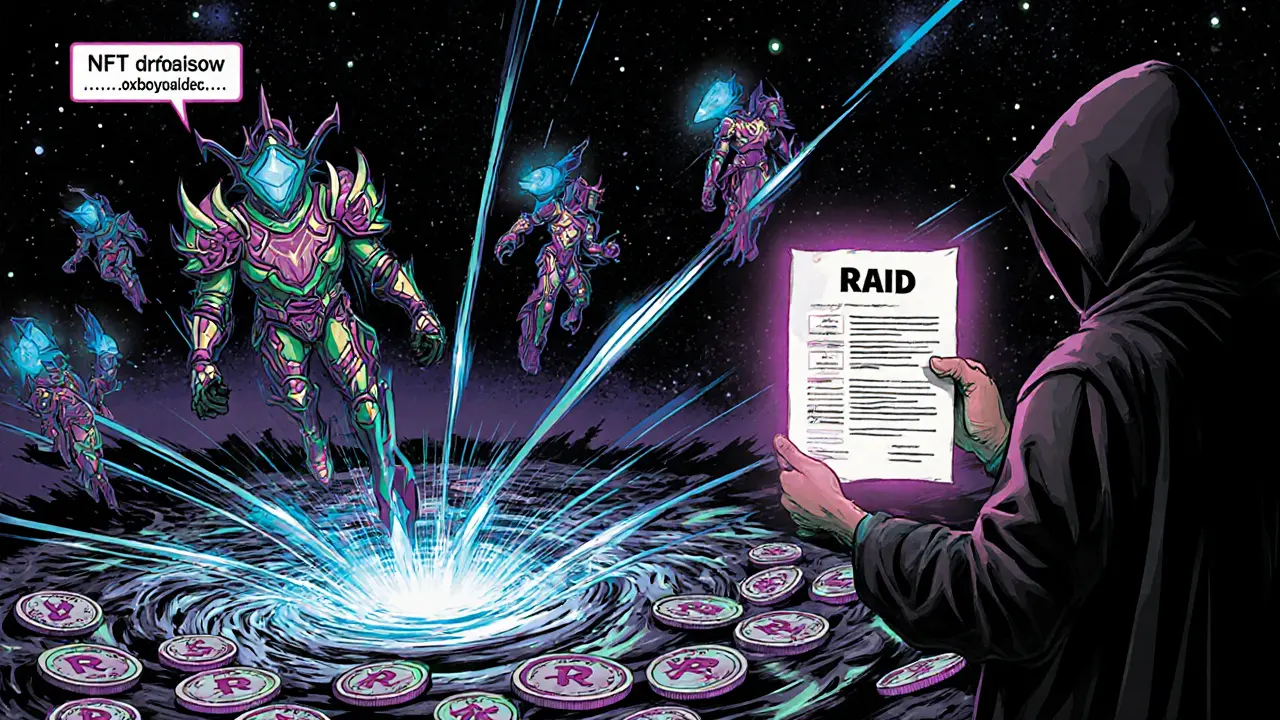
Learn how to join the Ancient Raid (RAID) NFT Mega Airdrop, what you’ll actually receive, and why this project is high-risk with little proof of a working game. Avoid scams and set realistic expectations.
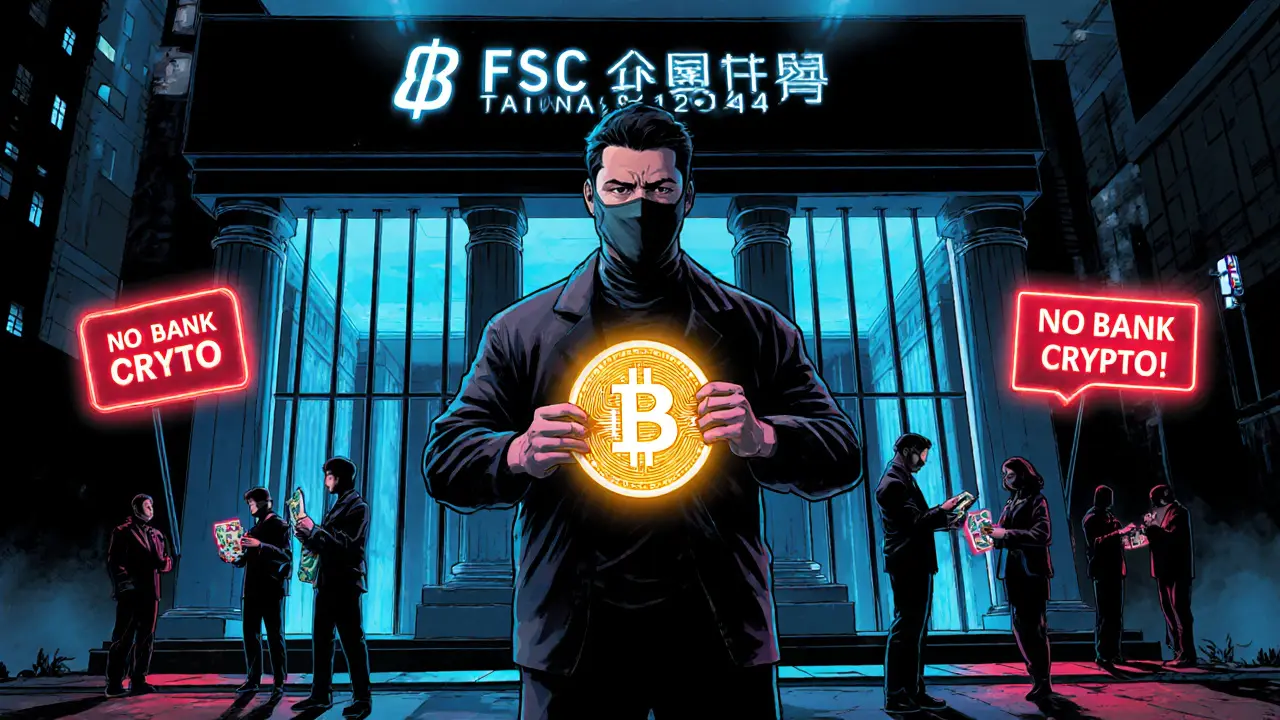
Taiwan allows crypto ownership but blocks banks from handling it. Learn how VASPs, stablecoins, and peer-to-peer trading keep the market alive under strict 2025 regulations.
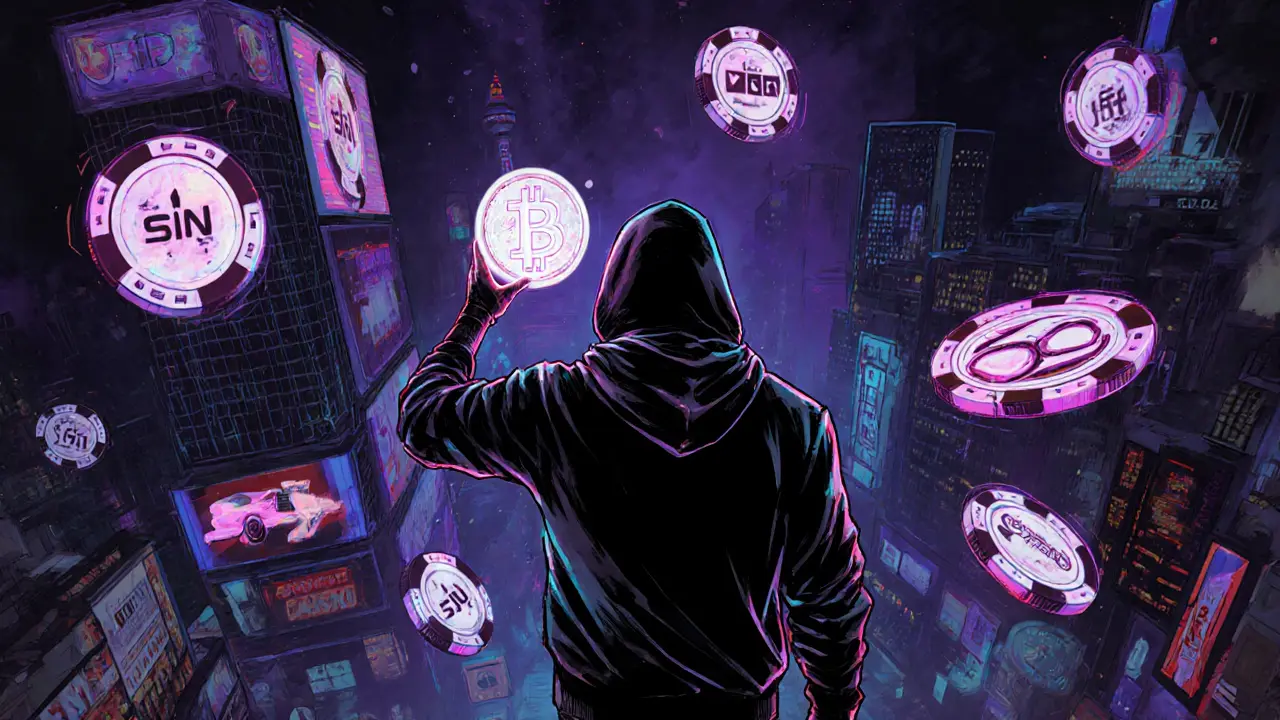
Sinverse (SIN) is a crypto token tied to Sin City, a metaverse game where players build underground empires. It's low-cap, high-risk, with no playable game yet. Learn what it really does - and whether it's worth your money.
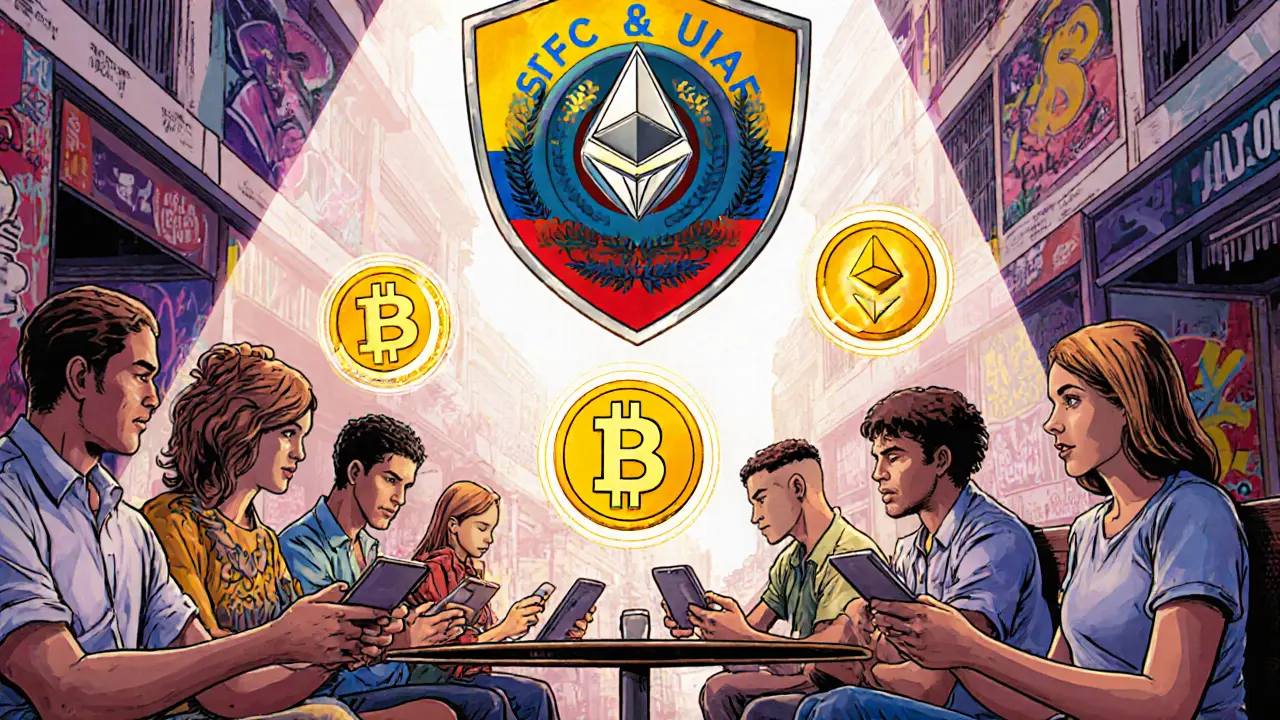
Colombians access crypto exchanges legally through regulated local platforms like LuloX and Wenia, not by bypassing restrictions. With over 5 million users and institutional backing, Colombia’s crypto market is growing under clear tax and compliance rules.