
When we talk about VASP, a Virtual Asset Service Provider, which is any company that offers crypto exchange, custody, or transfer services. Also known as crypto service provider, it is now a legally defined term under Taiwan’s financial regulations. VASP Taiwan isn’t just a buzzword—it’s a requirement. If you’re running a crypto exchange, wallet service, or even a token listing platform in Taiwan, you must register as a VASP with the Financial Supervisory Commission (FSC). This isn’t optional. It’s the law.
Taiwan’s approach to VASPs is strict but clear. Unlike some countries that ban crypto outright, Taiwan lets businesses operate—but only if they follow strict AML (anti-money laundering) and KYC (know your customer) rules. That means verifying user identities, monitoring transactions for suspicious activity, and reporting anything unusual to authorities. It’s not about stopping crypto; it’s about making sure it doesn’t get used for fraud, scams, or funding illegal activity. This directly connects to the OFAC sanctions, a U.S. list of blocked crypto addresses tied to criminals and state actors. Even though Taiwan isn’t the U.S., many local VASPs still screen wallets against OFAC to avoid legal risks and keep their international banking relationships intact. You’ll see this in posts about exchanges like Btcwinex or Winstex—many of them vanished because they ignored these basic compliance steps.
Taiwan’s VASP rules also impact how users access crypto. People there can’t just sign up on any offshore exchange. Platforms without local licensing are effectively blocked from targeting Taiwanese customers. That’s why services like Quidax or LuloX—regulated in their own countries—still struggle to gain traction in Taiwan unless they go through the full VASP process. The result? A smaller but more trustworthy market. Users still trade, but they’re more likely to use platforms that prove they’re legitimate. This is why posts about crypto exchanges banned in Nigeria, a similar story of licensing vs. outright bans. show a pattern: countries aren’t rejecting crypto—they’re demanding accountability. In Taiwan, that means VASP registration isn’t a hurdle—it’s the entry ticket.
What you’ll find in the posts below are real cases of what happens when crypto platforms ignore compliance. From fake airdrops pretending to be tied to regulated services, to exchanges that disappeared overnight because they never had a license, these aren’t just stories—they’re warnings. If you’re using crypto in Taiwan, or working with anyone who does, you need to understand what VASP means in practice. It’s not about bureaucracy. It’s about safety. And the difference between a working platform and a scam often comes down to one thing: did they register?
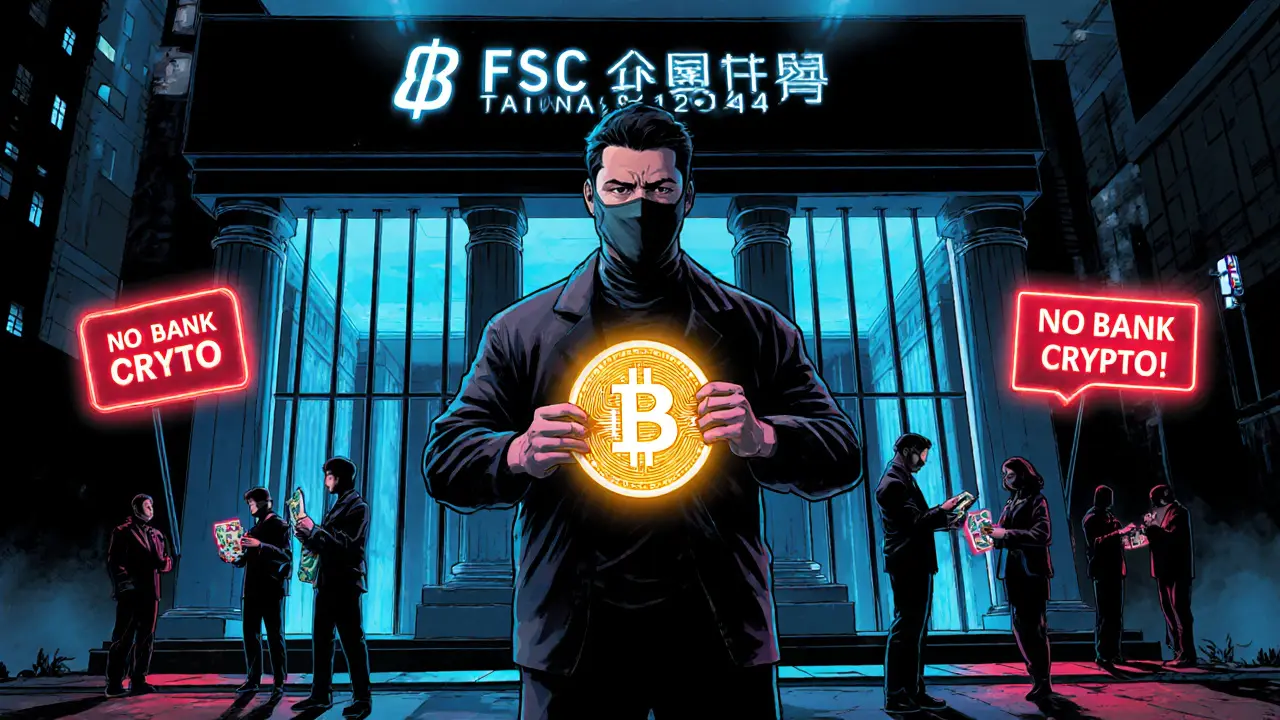
Taiwan allows crypto ownership but blocks banks from handling it. Learn how VASPs, stablecoins, and peer-to-peer trading keep the market alive under strict 2025 regulations.