
When it comes to Taiwan crypto restrictions, the regulatory framework that governs how digital assets are traded, taxed, and monitored in Taiwan. Also known as Taiwan cryptocurrency regulations, it doesn’t stop people from using crypto—it just forces platforms to play by strict rules. Unlike countries that outright ban crypto, Taiwan lets you buy, sell, and hold Bitcoin and altcoins—but only through licensed exchanges. If a platform isn’t approved by the Financial Supervisory Commission (FSC), it’s effectively dead in the water.
This system pushes users toward platforms like Taiwan crypto exchanges, regulated digital asset platforms operating under FSC oversight. Also known as licensed crypto platforms Taiwan, they must follow KYC, AML, and capital reserve rules. That means no anonymous trading, no offshore servers hiding behind fake addresses, and no shady airdrops disguised as investment opportunities. The FSC also requires exchanges to report all transactions over NT$500,000 (about $16,000 USD), and all crypto gains are taxed as income—no exceptions. This isn’t about stopping innovation; it’s about keeping scams out and money flowing legally.
What happens if you use an unlicensed exchange? Nothing criminal—but you lose all protection. If the platform vanishes, like Btcwinex, a fake crypto exchange that disappeared after luring users with fake airdrops. Also known as crypto exchange scam, it had no oversight and no accountability., you’re on your own. Taiwan’s government won’t refund your losses. That’s why most locals stick to approved names like Korbit Taiwan, BitFlyer, or Binance’s local partner, which cleared FSC review. Even then, you can’t trade derivatives or use leverage without jumping through hoops.
And don’t expect free crypto giveaways to fly. Airdrops like HeroesTD airdrop, a claimed event that turned out to be a scam with no official ties to CoinMarketCap. Also known as Coinmarketcap airdrop, it preyed on people who didn’t know the rules. are treated as unregulated financial promotions. If you see a token promising big returns with no whitepaper or team, it’s likely illegal—and you could be fined for participating. The FSC has warned the public multiple times: if it sounds too good to be true, it’s not just risky—it’s against the law.
Taiwan’s approach is simple: control the gatekeepers, not the users. You can still buy Bitcoin. You can still hold NFTs. You can even use crypto for remittances, just like in Vietnam or Colombia. But you can’t do it through a sketchy app with no license. The result? A crypto market that’s smaller than Thailand’s or Singapore’s—but far more secure. No major exchange collapses. No mass investor losses. No headlines about stolen funds.
Below, you’ll find real reviews of platforms that tried to operate in Taiwan, scams that fooled locals, and the exact rules that keep things running legally. No theory. No fluff. Just what’s working, what’s banned, and what you need to avoid.
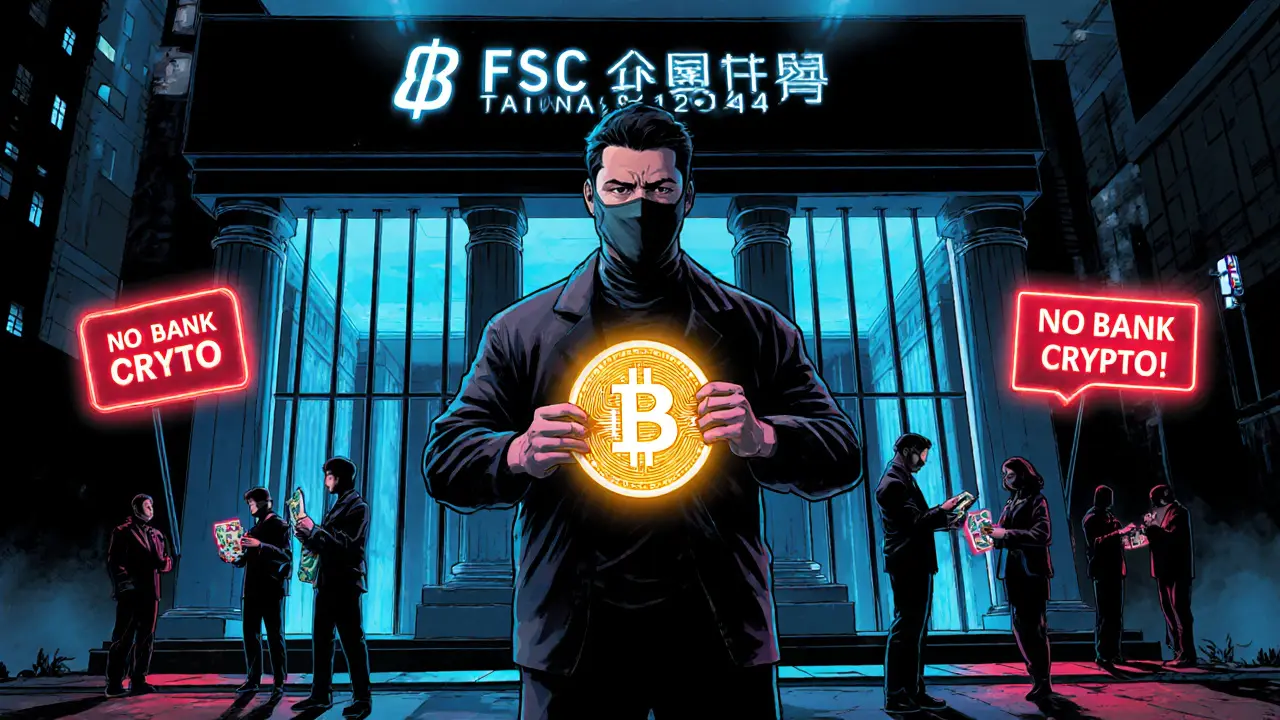
Taiwan allows crypto ownership but blocks banks from handling it. Learn how VASPs, stablecoins, and peer-to-peer trading keep the market alive under strict 2025 regulations.