
When people talk about stablecoin Taiwan 2025, a digital currency pegged to a stable asset like the US dollar, used in Taiwan’s evolving crypto landscape. Also known as Taiwanese stablecoin usage, it’s not about speculation—it’s about real money moving through a system that officially doesn’t recognize crypto as legal tender. Even though Taiwan’s Financial Supervisory Commission hasn’t approved crypto exchanges as banks, stablecoins like USDT and USDC are everywhere—in remittances, gaming, and peer-to-peer trades.
How? Because people don’t need a license to hold a stablecoin. They just need a wallet. Over 1.2 million Taiwanese adults use crypto regularly, and stablecoins make up nearly 70% of those transactions. Unlike Bitcoin, which swings wildly, stablecoins let people send money to family overseas without waiting days or paying 10% in fees. They’re used in local P2P markets, on gaming platforms like those on BNB Chain, and even by small businesses accepting payments from overseas clients. The government doesn’t ban them—it just doesn’t regulate them, which creates a gray zone where users are responsible for their own safety.
This is where crypto compliance Asia, the set of rules and risks that apply to digital asset users in regions like Taiwan, Singapore, and Vietnam. Also known as regulatory gray zones, it’s not about breaking laws—it’s about navigating them without protection. Taiwan follows global anti-money laundering standards, so any exchange operating there must verify users if they handle fiat. But stablecoin-to-stablecoin trades? Those happen off-exchange, through Telegram groups or decentralized wallets. That’s why OFAC-sanctioned addresses and scam tokens show up in local wallets—users don’t always know who they’re trading with.
And then there’s digital currency Taiwan, the unofficial ecosystem of crypto tools, wallets, and services that Taiwanese users rely on daily. Also known as Taiwan’s crypto underground economy, it’s not hidden—it’s just not on the radar of the central bank. You won’t find it in news headlines, but you’ll see it in the data: Taiwan ranks in the top 5 globally for crypto transaction volume per capita. People use it because it works. They use it to buy from overseas sellers, pay for freelance work, or move savings out of a volatile local currency. The same people who avoid banks for remittances are the ones holding USDT in Trust Wallet.
By 2025, Taiwan’s stance hasn’t changed—but the behavior has. More users are learning to spot fake airdrops, avoid unregulated exchanges like Winstex or Burency Global, and check if a token has real trading volume. They’re not waiting for permission. They’re using what’s available. That’s why posts here cover things like OFAC sanctions, scam exchanges, and how to tell if a stablecoin project is real. It’s not about whether stablecoins are legal in Taiwan. It’s about how people are using them anyway—and what they need to know to stay safe while doing it.
Below, you’ll find real breakdowns of crypto platforms, scams, and trends that matter to Taiwanese users in 2025—no fluff, no theory, just what’s happening on the ground.
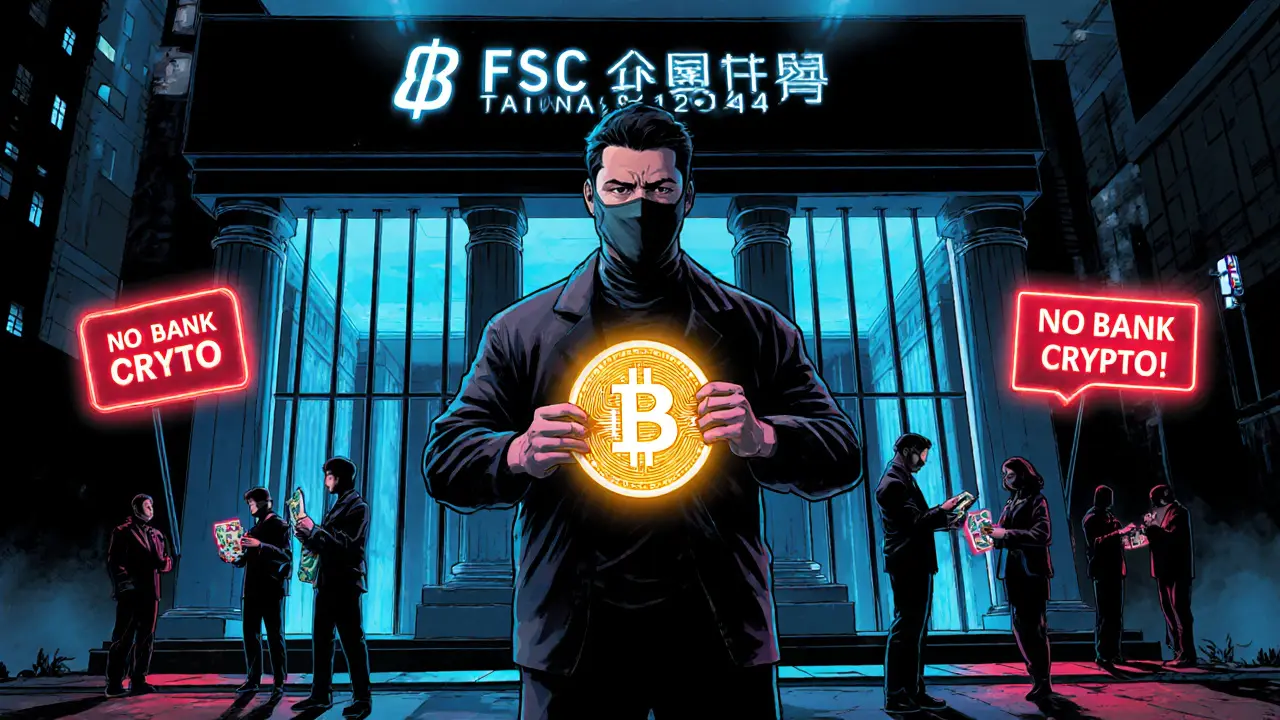
Taiwan allows crypto ownership but blocks banks from handling it. Learn how VASPs, stablecoins, and peer-to-peer trading keep the market alive under strict 2025 regulations.