
When you hear about a RAID token airdrop, a free distribution of a crypto token called RAID, often promoted as a way to earn passive income. Also known as RAID crypto, it’s being pushed on social media and Telegram groups as a chance to get rich quick—but there’s no verified project behind it. Most airdrops that sound this easy are scams, and RAID is no exception. It doesn’t appear on any major exchange, has no whitepaper, no team, and no blockchain activity. If you see a link asking you to connect your wallet or pay a gas fee to claim RAID, you’re being targeted.
Scammers love to ride the hype of real projects. They take names like RAID, copy logos, and create fake websites that look professional. They use fake testimonials, bot-driven social media accounts, and even fake CoinMarketCap listings to trick you. This isn’t new—look at WSPP airdrop, a fake crypto project claiming to help the poor, or Btcwinex, a crypto exchange that vanished after luring users with fake airdrops. These scams follow the same playbook: promise free tokens, collect your wallet info or fees, then disappear. The crypto airdrop scams, fraudulent distributions designed to steal funds or personal data are getting smarter, but the goal is always the same: your money.
Real airdrops don’t ask for money upfront. They don’t pressure you. They’re announced by teams with public profiles, active GitHub repos, and verified social channels. If a project has zero trading volume, no exchange listings, and no history—it’s not a project. It’s a trap. The token airdrop 2025, the trend of free token distributions promoted across crypto communities this year is flooded with fakes. Even legitimate platforms like CoinMarketCap have been spoofed to make scams look real. You can’t trust a listing if the project doesn’t exist.
So what should you do? Never connect your wallet to an unknown site. Never send crypto to claim a free token. Always check the official project website through a trusted source—like a verified Twitter account or a well-known crypto news site. If you’re unsure, search for the token name + "scam" or "review". You’ll find dozens of warnings. The RAID token details, the supposed characteristics of the RAID token, including supply, blockchain, and utility are nonexistent because there’s no token. It’s just a name on a fake website.
Below, you’ll find real reviews of crypto projects that look similar to RAID—some are dead, some are scams, and a few are legit. Each one shows you how to spot the difference before you lose money. You don’t need to chase every free token. You just need to know which ones are worth your time—and which ones are pure risk.
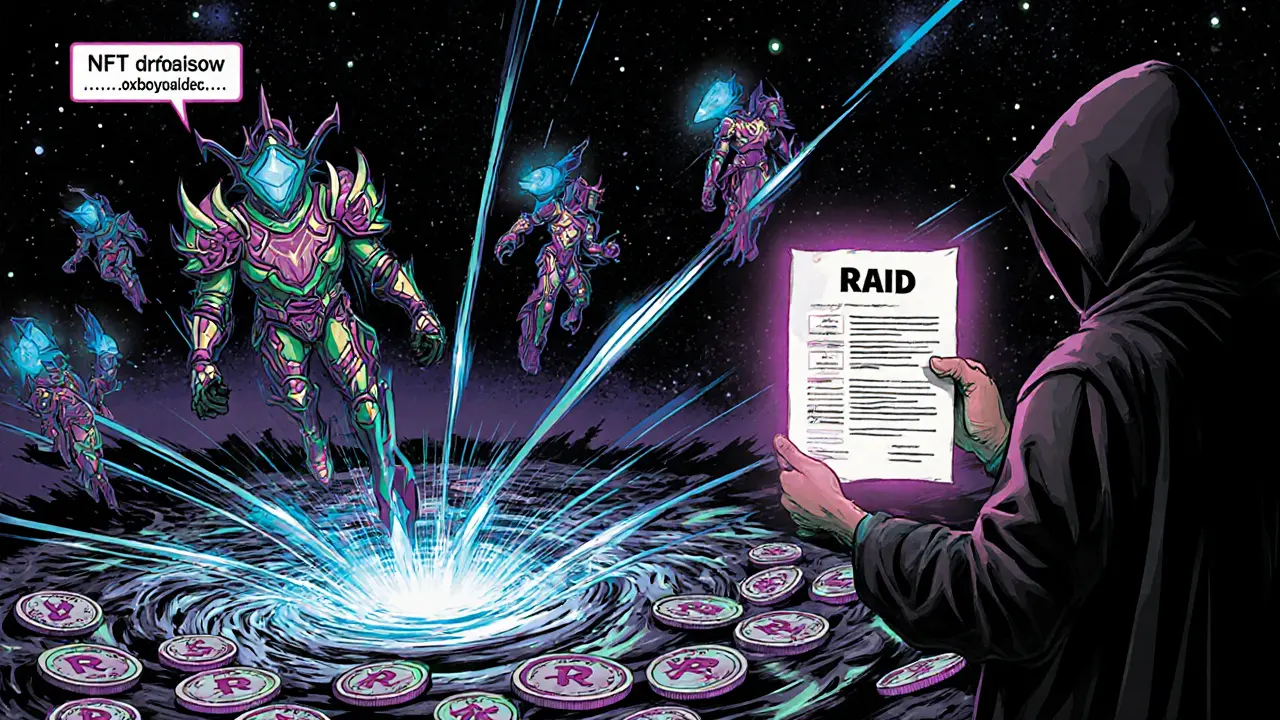
Learn how to join the Ancient Raid (RAID) NFT Mega Airdrop, what you’ll actually receive, and why this project is high-risk with little proof of a working game. Avoid scams and set realistic expectations.