
When you hear linear vesting, a method where tokens are released at a steady rate over a set timeframe. It's not just a technical detail—it’s a core part of how crypto projects keep their markets from crashing. Unlike dumping all tokens on day one, linear vesting spreads releases out over months or years. This keeps supply controlled, reduces panic selling, and gives teams time to build real value instead of cashing out early.
It’s closely tied to tokenomics, the economic design behind a cryptocurrency’s supply, distribution, and incentives. token distribution model matters because if too many tokens flood the market too fast, the price crashes. Projects use linear vesting to align incentives: founders, investors, and early team members earn tokens slowly, so they stay motivated to grow the project. You’ll see this in lockup period, the time during which tokens cannot be sold or transferred. A 12-month lockup with monthly unlocks is a classic example. Some projects stretch this to 36 months, especially for core team members.
Why does this matter to you? Because if you’re buying into a new token, you need to know who holds the rest of the supply—and when they can sell. A project with 70% of tokens locked in linear vesting for two years is far more trustworthy than one where insiders can sell everything tomorrow. Look at the vesting schedule like a credit score for the team. No vesting? Red flag. Too short? Risky. Too long? Maybe they’re overcompensating for a weak product. The best projects combine linear vesting with clear milestones: unlock 20% after product launch, another 15% after hitting 100K users. That’s how you build real trust.
You’ll find this pattern in almost every serious crypto project. From DeFi protocols to NFT games, linear vesting is the quiet backbone of sustainable token design. It’s not flashy, but it’s what separates lasting networks from quick scams. Below, you’ll see real examples of how this plays out in practice—from teams holding back tokens to avoid crashes, to investors waiting patiently for their unlock dates. These aren’t theoretical ideas. They’re the daily reality of crypto markets.
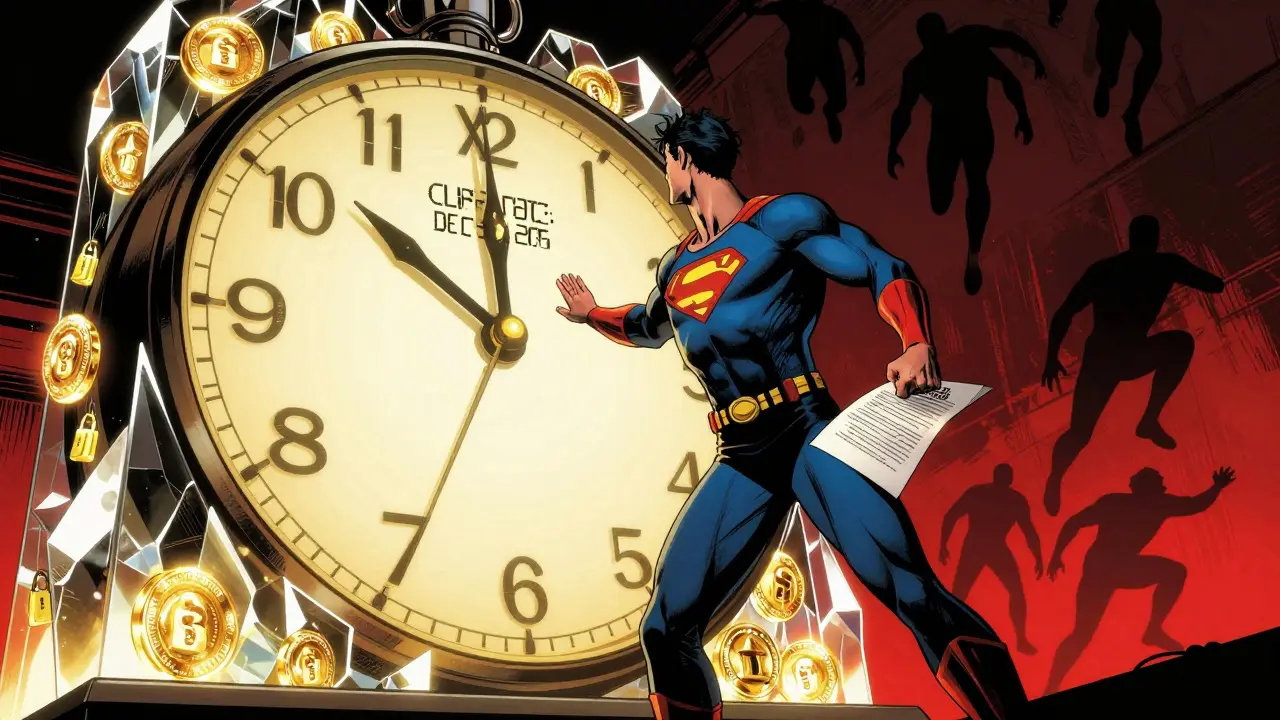
Cliff vesting locks tokens until a set date, then releases them all at once. Linear vesting spreads tokens evenly over time. Most blockchain projects use a hybrid of both to retain talent and protect equity. Learn how to choose the right model.