
When it comes to crypto trading Namibia, the practice of buying, selling, or holding digital currencies by residents of Namibia, often through peer-to-peer or offshore platforms. Also known as digital asset trading in Namibia, it’s happening despite the lack of formal regulation from the Bank of Namibia. Unlike countries with clear crypto rules, Namibia doesn’t ban cryptocurrency—but it doesn’t recognize it as legal tender either. This gray area means people trade anyway, using platforms like Binance, Bybit, or local P2P services, often without bank support.
Many Namibians turn to crypto because traditional banking is slow and expensive, especially for cross-border payments. crypto exchanges Namibia, online platforms where users trade digital assets, often without local licensing or oversight. Also known as offshore crypto platforms, they’re the main way people access Bitcoin, Ethereum, and meme coins like SHY or LENDA. But here’s the catch: most of these platforms aren’t registered in Namibia. That means if something goes wrong—like a platform vanishing like Btcwinex or Winstex—you have no local recourse. The same goes for crypto scams Namibia, fraudulent projects, fake airdrops, or fake exchanges targeting users who don’t know how to verify legitimacy. Also known as crypto fraud in Namibia, they thrive where education is low and trust in new tech is high. Projects like WSPP, THN, or REI token airdrops that promise free money? They’re almost always fake. Real airdrops, like the ZAM TrillioHeirs NFT drop, are rare and tied to actual projects with working products.
There’s no official crypto regulations Namibia, government rules or legal frameworks governing cryptocurrency use, trading, or taxation in Namibia. Also known as Namibian crypto policy, it’s a vacuum filled by user caution and common sense. The Bank of Namibia warns about risks but doesn’t stop people from trading. That’s why locals rely on self-education. You need to check if a platform has real trading volume, active support, and a verifiable team—not just a flashy website. If it looks like BeeEx or YOOBTC—no KYC, no app, no reviews—it’s probably risky or fake.
What you’ll find in the posts below isn’t theory. It’s real cases: exchanges that vanished, airdrops that didn’t deliver, and countries like Vietnam and the Philippines that show how crypto grows even under strict rules. You’ll learn how to spot a scam before you send your money, what alternatives locals actually use, and why just because a coin is on CoinMarketCap doesn’t mean it’s safe. This isn’t about getting rich quick. It’s about staying safe while trading in a space where no one’s watching your back.
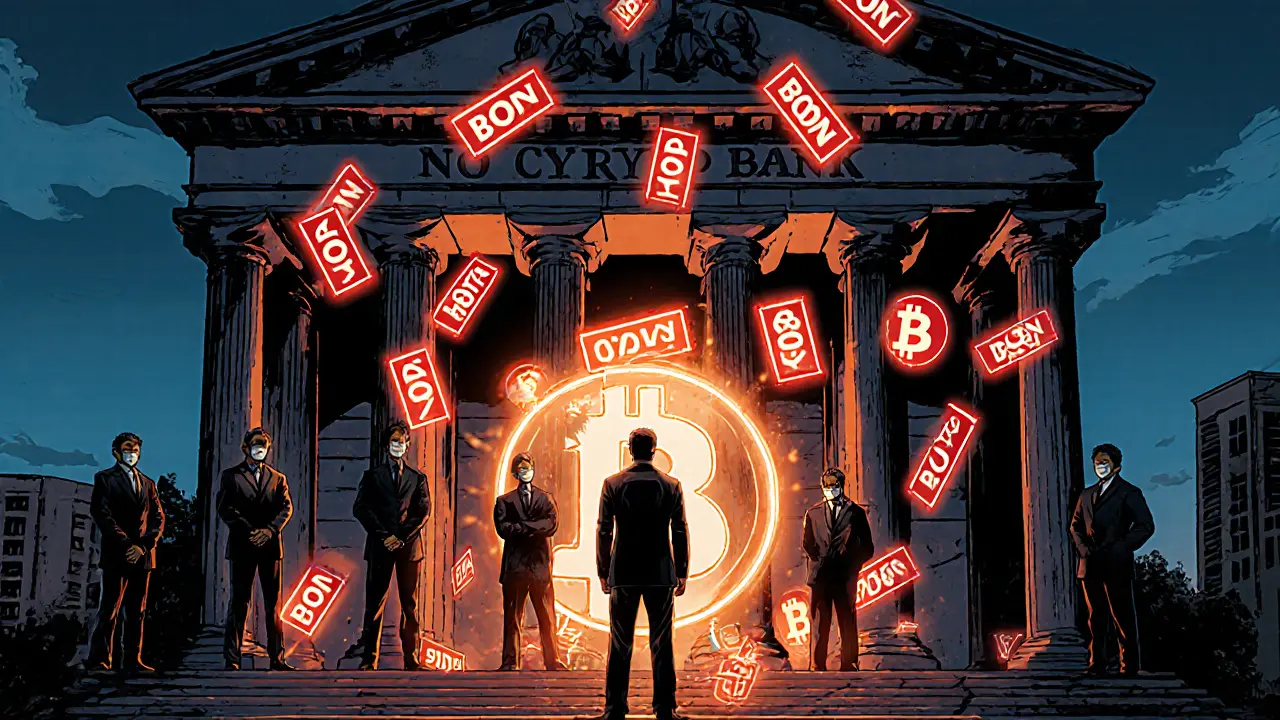
Namibia's banking system restricts crypto transactions despite a 2023 law licensing crypto businesses. As of 2025, individuals face account freezes, and no exchange is fully operational. The central bank maintains crypto isn't legal tender, creating a confusing regulatory limbo.