
When the crypto exchange ban Philippines, a regulatory move by the Securities and Exchange Commission (SEC) to stop unlicensed platforms from operating. Also known as crypto exchange licensing crackdown, it was meant to protect users from scams—but it didn’t shut down trading. It just forced it into the shadows. The SEC didn’t ban cryptocurrency. It banned exchanges that didn’t meet strict registration rules. That’s a big difference. People could still buy and sell crypto via peer-to-peer apps, over-the-counter desks, and foreign platforms. What got banned were the local platforms that acted like banks but weren’t regulated.
Behind the scenes, Philippine Stock Exchange (PSE), the country’s official stock market, which has no authority over crypto but is often confused with crypto regulators stayed out of the fight. Meanwhile, cryptocurrency restrictions, a broader term covering banking blocks, tax rules, and exchange bans piled up. Banks started freezing accounts of users who sent money to Binance or Bybit. Some users got flagged for "suspicious activity" even when they were just buying Bitcoin through GCash. But the demand didn’t fade. In fact, the Philippines remains one of the top countries in the world for crypto adoption, with over 15 million users—nearly a third of the population.
The ban didn’t kill crypto. It exposed how deeply it’s woven into daily life. Filipinos use crypto for remittances, gaming, and even paying for groceries in some areas. Platforms like Paxful and LocalBitcoins thrived because they didn’t need bank links. Decentralized exchanges like Uniswap and PancakeSwap became quiet workhorses. Even the crypto trading Philippines, the informal ecosystem of P2P traders, OTC desks, and Telegram groups grew stronger. The SEC thought they were shutting down chaos. Instead, they made it more decentralized.
What you’ll find in the posts below isn’t just a list of banned exchanges. It’s a map of how people adapt when governments try to control money. You’ll see how Vietnamese traders bypass restrictions with the same tools Filipinos use. You’ll learn why Taiwanese banks block crypto but people still trade. You’ll spot the scams that popped up right after the ban—fake exchanges pretending to be legal, fake airdrops promising refunds, and ghost platforms that vanished overnight. This isn’t about rules. It’s about survival. And in the crypto world, survival means finding a way to trade—even when the door is locked.
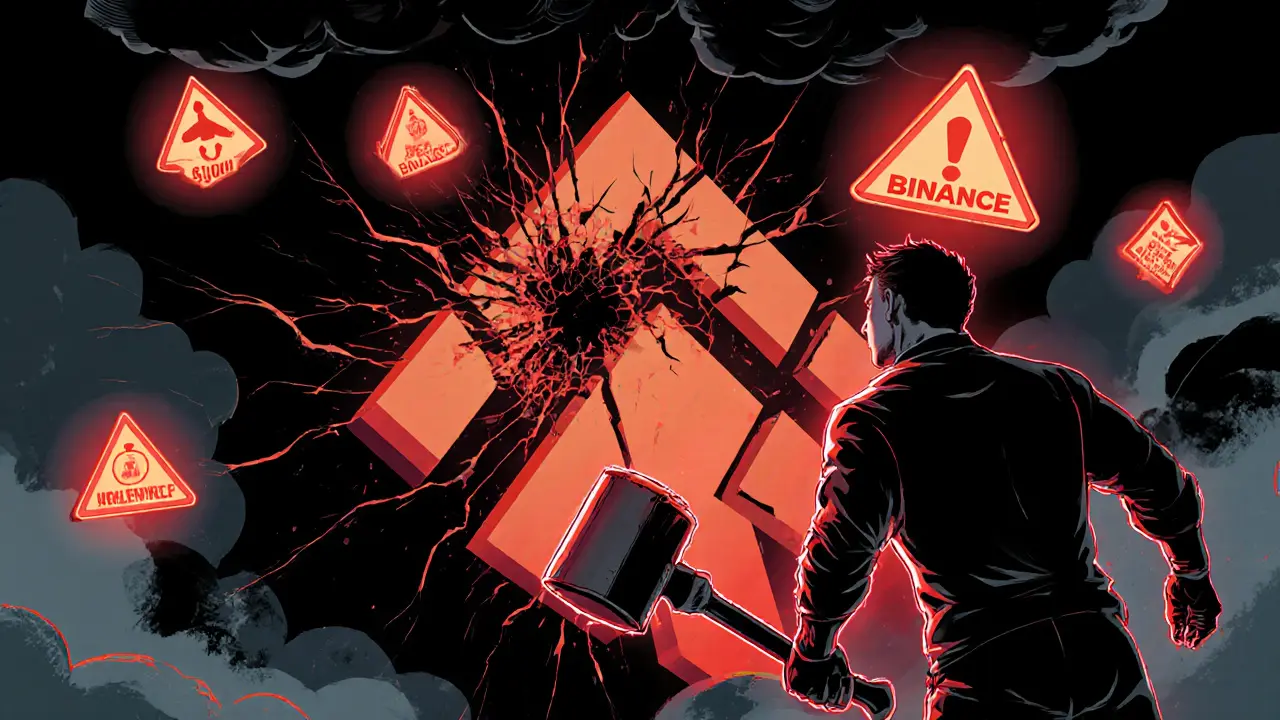
Binance is banned in the Philippines since 2024, and Bitget faces similar risks under new crypto regulations. Learn what the SEC requires, how enforcement works, and what alternatives are safe for Filipino users in 2025.