
When people talk about crypto banking in Namibia, the use of digital currencies like Bitcoin for financial services without traditional banks. Also known as decentralized finance in Africa, it’s not about banks offering crypto accounts—it’s about people bypassing them entirely. Unlike countries with clear crypto laws, Namibia has no official framework for crypto banking. The Bank of Namibia doesn’t recognize Bitcoin or other cryptocurrencies as legal tender, and local banks are forbidden from handling crypto transactions. Yet, crypto is still moving—quietly, but steadily.
How? Through peer-to-peer trading, mobile wallets, and international exchanges. Namibians use platforms like Paxful and LocalBitcoins to buy Bitcoin with mobile money or bank transfers. Many send remittances from South Africa or Europe using crypto to avoid high fees and long waits. Some even use stablecoins like USDT to protect savings from inflation, since the Namibian dollar is pegged to the South African rand and faces steady pressure. This isn’t theoretical—it’s daily life for thousands. The crypto exchanges Namibia, online platforms where users trade digital assets without local bank involvement. Also known as non-KYC crypto platforms, it’s a key part of this underground economy. You won’t find a Namibian-based crypto exchange with a license, but you’ll find users on Binance P2P, Bybit, and even obscure platforms that let them trade without identity checks. These aren’t just speculators—many are small business owners, farmers, and students who need faster, cheaper ways to move money.
The Namibia crypto regulations, the lack of formal rules governing digital asset use in the country. Also known as crypto legal gray zone, it’s both a risk and a freedom. There’s no tax law specifically for crypto, no consumer protection, and no official guidance. That means people are on their own. If you get scammed on a fake airdrop or lose funds to a phishing site, there’s no government agency to call. But it also means no one’s stopping you from using crypto to pay for goods, save in USD equivalents, or invest in global DeFi protocols. This is why you’ll see more Namibians using crypto than many countries with stricter laws. It’s not about rebellion—it’s about necessity.
What you won’t find in Namibia? Crypto ATMs, bank-integrated wallets, or licensed exchanges. What you will find? People solving real problems with tools the system won’t give them. The posts below show you exactly how this works—through real stories, platform reviews, and warnings about scams that target African users. You’ll see how others are using crypto to send money home, hedge against inflation, and even fund small businesses. Some of these methods are smart. Some are dangerous. All of them are happening right now.
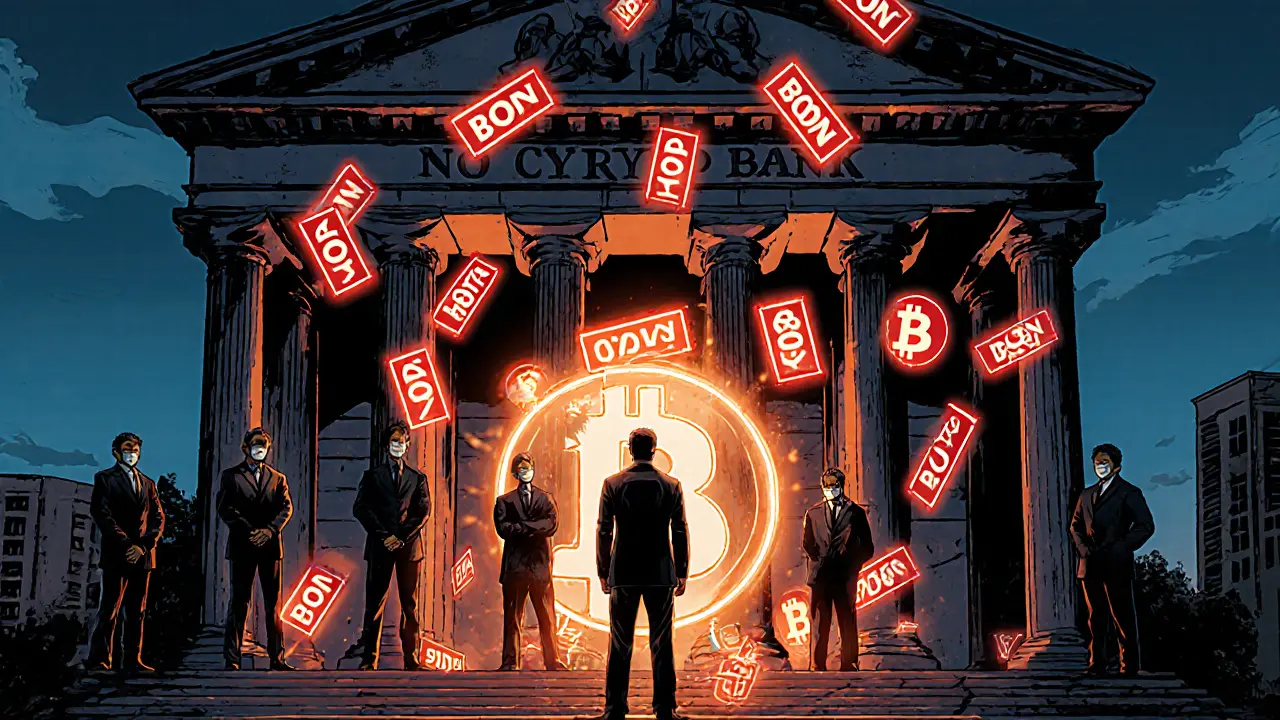
Namibia's banking system restricts crypto transactions despite a 2023 law licensing crypto businesses. As of 2025, individuals face account freezes, and no exchange is fully operational. The central bank maintains crypto isn't legal tender, creating a confusing regulatory limbo.