
When you use Bitget, a global crypto derivatives exchange known for high leverage and low fees. Also known as Bitget Global, it's popular among experienced traders—but not everywhere. In 2025, Bitget restrictions aren't just about technical limits. They're shaped by local laws, banking rules, and government crackdowns on crypto platforms. Countries like the U.S., the U.K., and Singapore have tightened oversight, forcing Bitget to block users or restrict features like futures trading and leverage above 10x. If you're in one of these regions, you might see a message saying your account is limited—or worse, locked.
These restrictions aren't random. They're tied to crypto exchange regulations, rules that force platforms to verify users, report transactions, and avoid high-risk products. Bitget, being offshore-based, often doesn't meet those standards. That's why users in Canada, Australia, and parts of Europe can't deposit fiat or use certain trading tools. Even in places where crypto is legal, like Japan or South Korea, Bitget isn't licensed. So while you can still access the site, your account might be frozen if you try to withdraw. And if you're in a country like Nigeria or Vietnam, where crypto use is high but legally gray, Bitget might be one of the few platforms still working—but with withdrawal delays and no customer support.
Then there's Bitget KYC, the identity verification process that’s required for most users outside certain regions. If you skip it, you can trade, but you’re capped at $1,000 in daily withdrawals. Many users try to bypass KYC using VPNs or fake documents—only to get banned later. The platform doesn’t warn you. It just shuts you down quietly. And if you’re using Bitget for high-leverage trades, you’re already playing with fire. One market swing, and your account could be liquidated. Add in restrictions, and you’re not just risking money—you’re risking access.
What’s clear is this: Bitget isn’t going away. But its accessibility is shrinking. Users in regulated markets are being pushed toward licensed exchanges like Kraken or Coinbase. Meanwhile, traders in less strict regions keep using it—despite the risks. The real question isn’t whether Bitget works. It’s whether you can afford to lose your funds, your account, or your time because of rules you didn’t understand.
Below, you’ll find real cases from users who ran into Bitget restrictions—some lost access overnight, others found ways around them. You’ll see what countries block it, what features get pulled, and how to tell if you’re next. No fluff. Just what happens when the rules catch up.
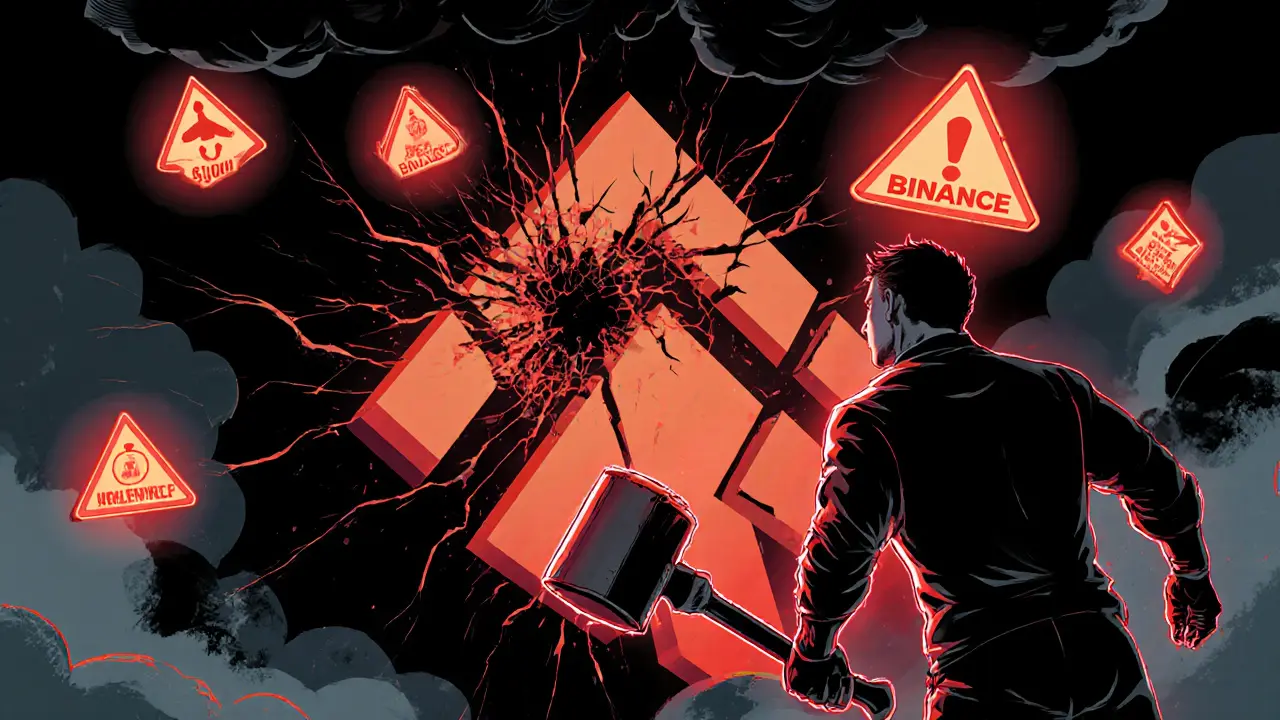
Binance is banned in the Philippines since 2024, and Bitget faces similar risks under new crypto regulations. Learn what the SEC requires, how enforcement works, and what alternatives are safe for Filipino users in 2025.