
When Binance Philippines ban, the sudden withdrawal of Binance’s local operations in the Philippines in 2023. Also known as Binance’s exit from the Philippine market, it wasn’t just a business decision—it was a regulatory earthquake that left over 2 million users scrambling for alternatives. The Bangko Sentral ng Pilipinas (BSP) didn’t just ask Binance to leave. They made it clear: no foreign exchange could operate without a local license, and Binance never applied for one. That’s not a gray area. It’s a hard stop.
This move didn’t happen in a vacuum. It ties directly to crypto regulations Philippines, the government’s strict stance on unlicensed digital asset platforms. Also known as Philippine virtual asset rules, these rules require all exchanges to register with the BSP, prove AML compliance, and keep user funds in local, audited accounts. Binance, focused on global scale, skipped this step. Meanwhile, local players like crypto exchange restrictions, the legal barriers preventing foreign platforms from serving Philippine users without approval. Also known as foreign crypto platform bans, they’re now being enforced with real consequences—account freezes, transaction blocks, and fines. The result? Filipinos didn’t stop trading crypto. They just moved to platforms that play by local rules, like Coins.ph and PDAX, or turned to peer-to-peer networks where trust is built person-to-person, not through corporate logos.
What’s often missed is how this ban exposed a deeper truth: the Philippines is one of the world’s most crypto-savvy nations, with over 50% of adults owning or using digital assets. But ownership doesn’t equal legality. The government isn’t against crypto—it’s against unregulated chaos. That’s why the Binance exit, the removal of a major global exchange from a high-demand market. Also known as Binance Philippines shutdown, became a case study in how local enforcement can reshape global crypto flows. Users didn’t abandon crypto. They adapted. They learned to verify platforms. They checked licenses. They stopped trusting big names and started asking questions.
What you’ll find in the posts below are real stories from people who lived through this shift—how they switched platforms, what risks they faced, and how they’re now trading smarter under tighter rules. You’ll also see how similar bans in Vietnam, Taiwan, and Namibia created the same pattern: users adapt, regulators tighten, and the market evolves—not by disappearing, but by getting more careful.
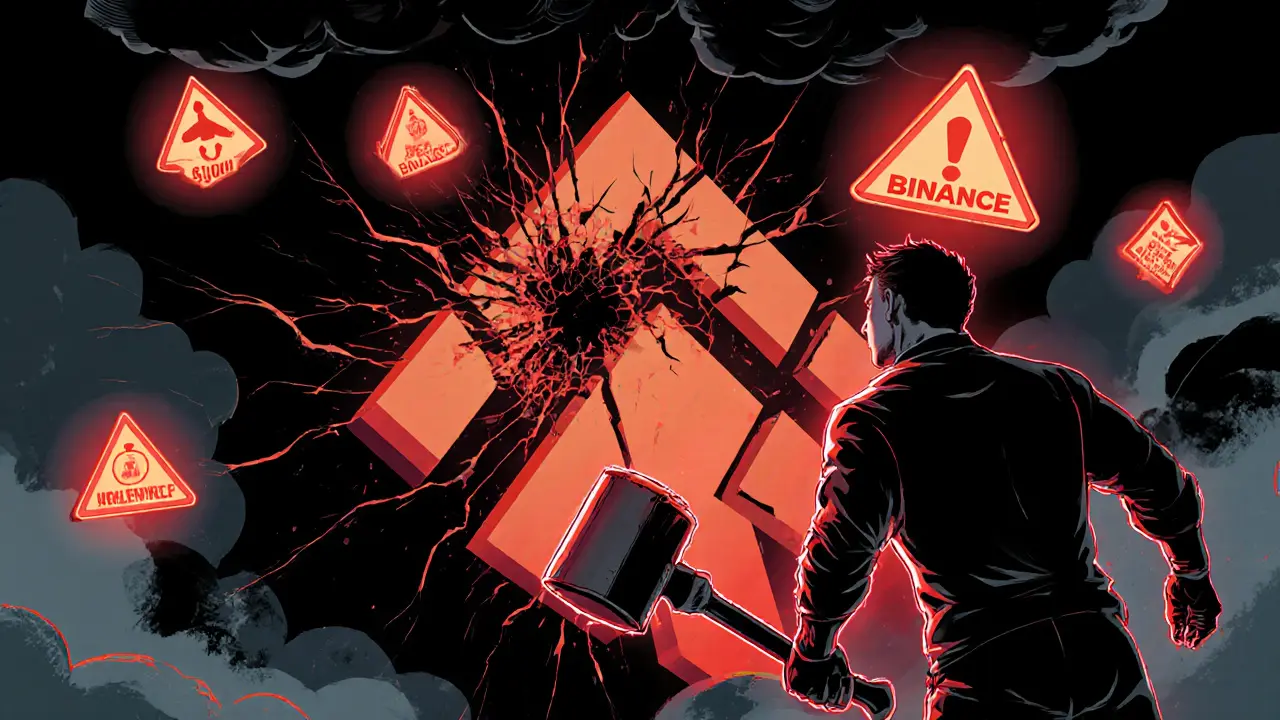
Binance is banned in the Philippines since 2024, and Bitget faces similar risks under new crypto regulations. Learn what the SEC requires, how enforcement works, and what alternatives are safe for Filipino users in 2025.