
When people talk about a banking crypto ban Taiwan, a situation where financial institutions block crypto-related transactions despite no official government ban, they’re not wrong—but they’re also not telling the whole story. Taiwan doesn’t have a law that says "crypto is illegal." Instead, banks are acting like it is. They freeze accounts, reject wire transfers, and shut down services for users who trade on Binance, Bybit, or other offshore exchanges. This isn’t a government order—it’s a quiet, coordinated move by banks scared of AML violations and regulatory pressure.
Why do banks care? Because Taiwan’s Financial Supervisory Commission (FSC) warns them that facilitating crypto transactions could mean breaking anti-money laundering rules. So instead of fighting the FSC, banks just say no. That’s why you’ll find Taiwanese users using P2P platforms like Paxful or LocalBitcoins, or sending money through third-party payment services that don’t ask questions. It’s not a loophole—it’s a workaround built out of necessity. Meanwhile, Taiwan crypto regulations, a patchwork of warnings, guidelines, and unofficial restrictions rather than clear laws keep users in legal gray zones. The government doesn’t outlaw crypto ownership, but it won’t protect you if your exchange gets shut down or your bank freezes your funds.
And it’s not just about trading. People in Taiwan use crypto for remittances, gaming tokens, and even paying freelancers—yet banks treat all of it like a red flag. You’ll see this same pattern in other countries with heavy crypto restrictions, like Nigeria or Vietnam, where users adapt faster than regulators can react. The result? A thriving underground crypto economy that runs on Telegram groups, QR code payments, and cash-based P2P trades. Meanwhile, crypto banking restrictions, the practical barriers banks create to limit crypto access are becoming the real gatekeepers of digital finance in Taiwan.
What you’ll find in the posts below are real stories from people navigating this system. You’ll learn how locals access exchanges without getting flagged, why some crypto platforms refuse to serve Taiwanese users, and which tokens are being traded despite the banking walls. There are no grand policy changes here—just people making it work. If you’re in Taiwan and trying to use crypto, this isn’t about legality. It’s about survival.
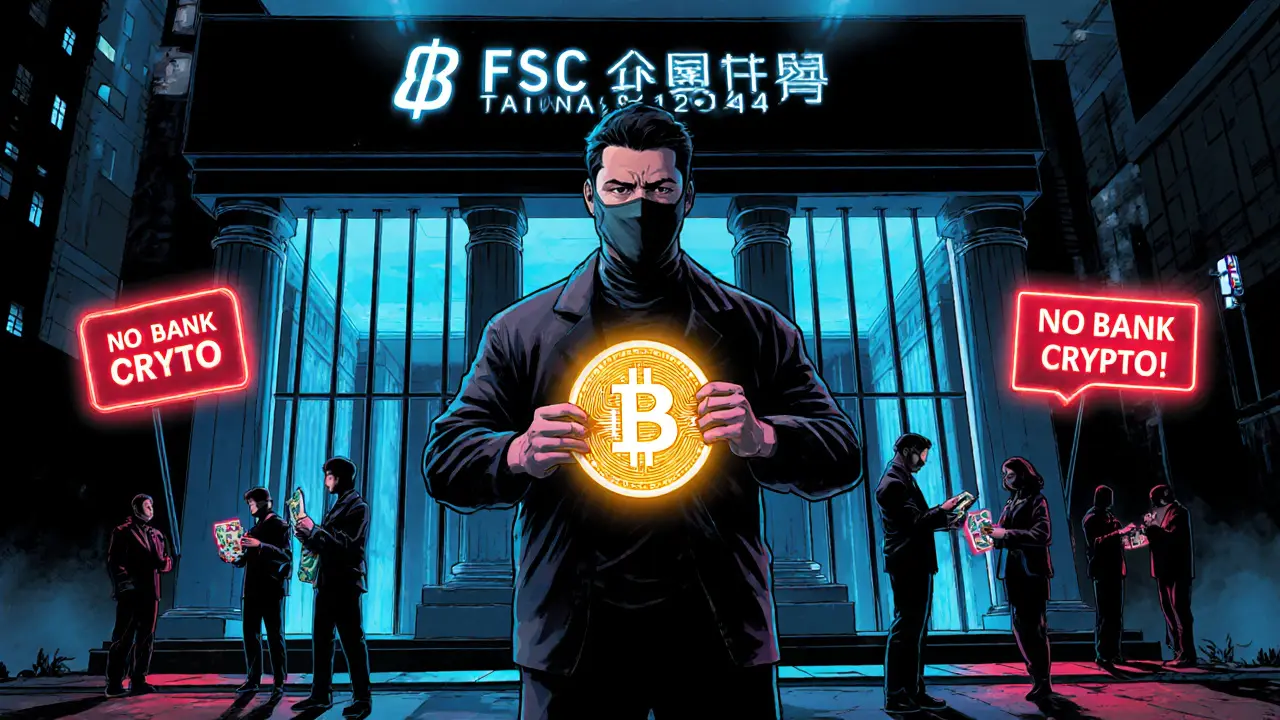
Taiwan allows crypto ownership but blocks banks from handling it. Learn how VASPs, stablecoins, and peer-to-peer trading keep the market alive under strict 2025 regulations.